
The ‘One in One Out’ Deal, struck between French President Emmanuel Macron and then-Prime Minister of the United Kingdom Keir Starmer, is officially being scrapped after the end of its pilot year, a UK government spokesperson explained.
The scheme was created with the intention of returning small boat arrivals to France while taking in the same number of migrants from France who have legitimate claims for asylum in the UK. Under the pilot, only around 1,500 people were removed from the UK, the BBC reported last week.
Why Governments Wanted an End
Small boat crossings across the Channel became the most common way to enter the UK illegally in 2020 and have remained so since. Almost all of those who entered the UK through these means did so dangerously, utilizing services of smuggling networks whose members overcrowd hazardous dinghies to cross perilous waters.
Upon entering, almost all small boat migrants apply for asylum, allowing them to stay in the UK until their claim is processed. According to the BBC, small boat arrivals made up over 40% of applications between July 2025 and June 2026.
The main idea behind the scheme was to deter the ever-growing number of people who attempted to stay in the UK through these means. In 2025, detected small boat crossings peaked at the highest levels recorded by the Home Office at 41,472, compared to 36,816 in 2023.
The latest available data from the Home Office shows that in 2026, numbers plummeted: up until October 19,196 people crossed into the UK in 2026. For the same period in 2025, the Home Office recorded 34,087 people.
According to the BBC reporting, the UK government would have liked to continue the scheme but felt its scale was too small to do so. Home Secretary Shabana Mahmood agreed when she admitted last month that the scheme had “not been without its challenges.”
“The numbers are still relatively small,” she told MPs. “What has been more operationally difficult is to scale up very large numbers of removals every week into the French system.”
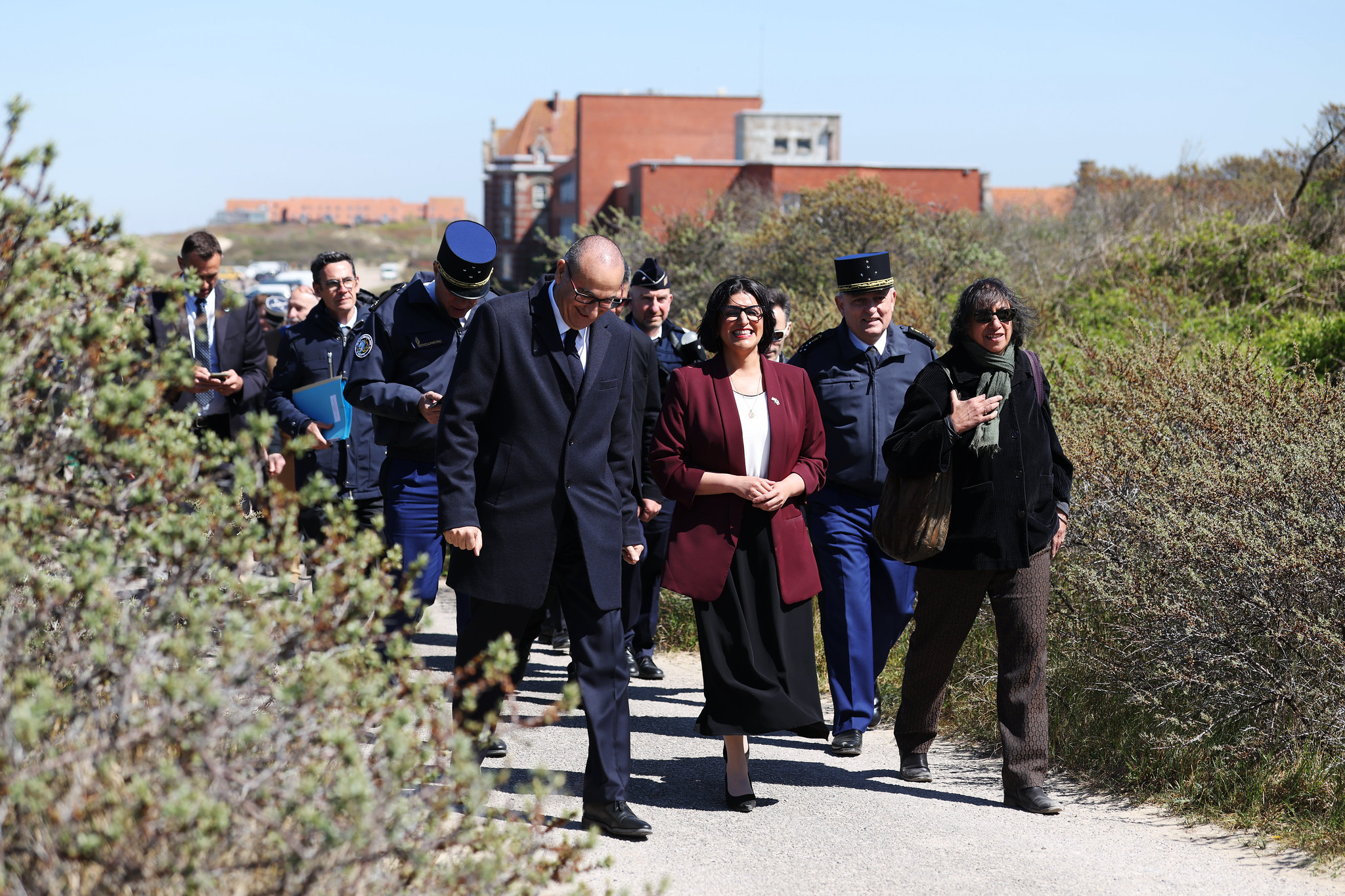
UK Home Office/Flickr
She also said that the UN and other agencies reported that some migrants were not boarding small boats because they thought they might be accepted under the “one in, one out” scheme.
According to French news outlet Le Monde, new British Prime Minister Andy Burnham seemed eager to continue the scheme during his visit with Macron.
The BBC reported that the French Interior Ministry was still discussing exit terms with British counterparts.
Dysfunctionality of Implementation
When the One in One Out Deal was first struck, many worried that France would be unable to take on as many migrants as the UK wanted to give, considering that France remained an EU state and subject to the Dublin Regulation as well as the new Pact on Asylum and Migration.
British newspaper The Guardian reports that France chose to terminate the agreement, as it believed the responsibility should be shared by the entire EU. However, no other EU member state expressed willingness to join the deal.
“Why do we have to manage this border on our own?” the French interior minister, Laurent Nuñez, said at a parliamentary hearing this year. “We believe that France should not have to bear the burden alone, and that it would be better to incorporate it into an agreement between the European Union and the United Kingdom.”
Additionally, while the numbers remained smaller than expected, the costs of the deal were much higher. Last month, Mahmood revealed that the cost of one person to be sent back to France was on average £56,000, far surpassing the Home Office’s estimated average cost for enforced migrant returns of £48,800.
While the “operationally difficult” nature of the deal was not specified, the system struggled tremendously with EU and French regulations alike, like the lengthy process to allow the interception of taxi boats leaving the French coast.
The National Crime Agency stated that war in the Middle East also contributed to the decreasing numbers, as this disrupted the gangs’ supply chain of dinghies, naming law enforcement the “key factor” in decreasing the numbers.
Reactions
Chris Philp, the shadow home secretary, called the failure of the scheme another humiliation for the Labour government.
“With 95 per cent of illegal channel migrants allowed to stay in the UK, no wonder almost 20,000 have crossed so far this year, with over 1,000 arriving last week alone. Only when all illegal immigrants are deported within a week of arrival will the crossings finally stop – which the Conservative Borders plan will do,” the British news outlet The Telegraph quoted.
Zia Yusuf, Reform’s shadow home secretary, said, “This was always a pathetic gimmick doomed to failure, and its collapse simply exposes the utter weakness of this Government. It also proves France always had zero interest in helping Britain. We don’t need permission from Paris to protect our borders.”
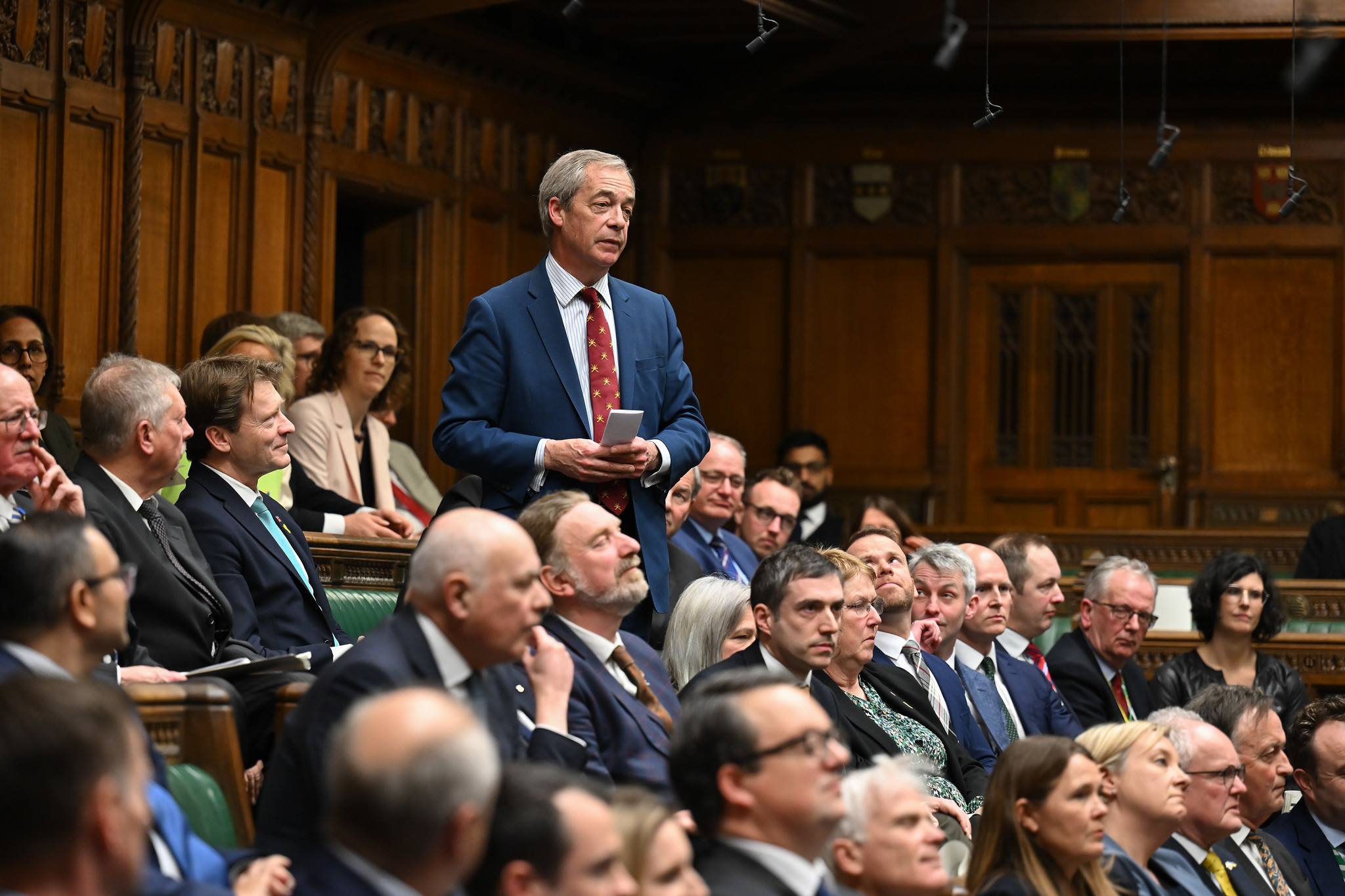
Despite the party’s opinion on the One in One Out Scheme, there is a similar deal in place between Reform UK party leader Nigel Farage and far-right Rassemblement National (RN) presidential candidate Jordan Bardella: the signed memorandum of understanding includes a protocol for asylum seekers arriving in the UK from France being sent back to France once both parties are elected to government.
What Next?
A Home Office spokesperson said “lessons learned” would be used to “accelerate efforts” to return small boat migrants.
“However, flights will continue over the coming weeks to swiftly remove small boat migrants from the UK, and we will use lessons learned from the pilot to accelerate efforts to return small boat migrants with no right to remain in the UK,” the spokesperson added.
According to the Telegraph, the Home Office has set up a new Small Boats Returns Taskforce to continue counteracting this form of illegal migration.