
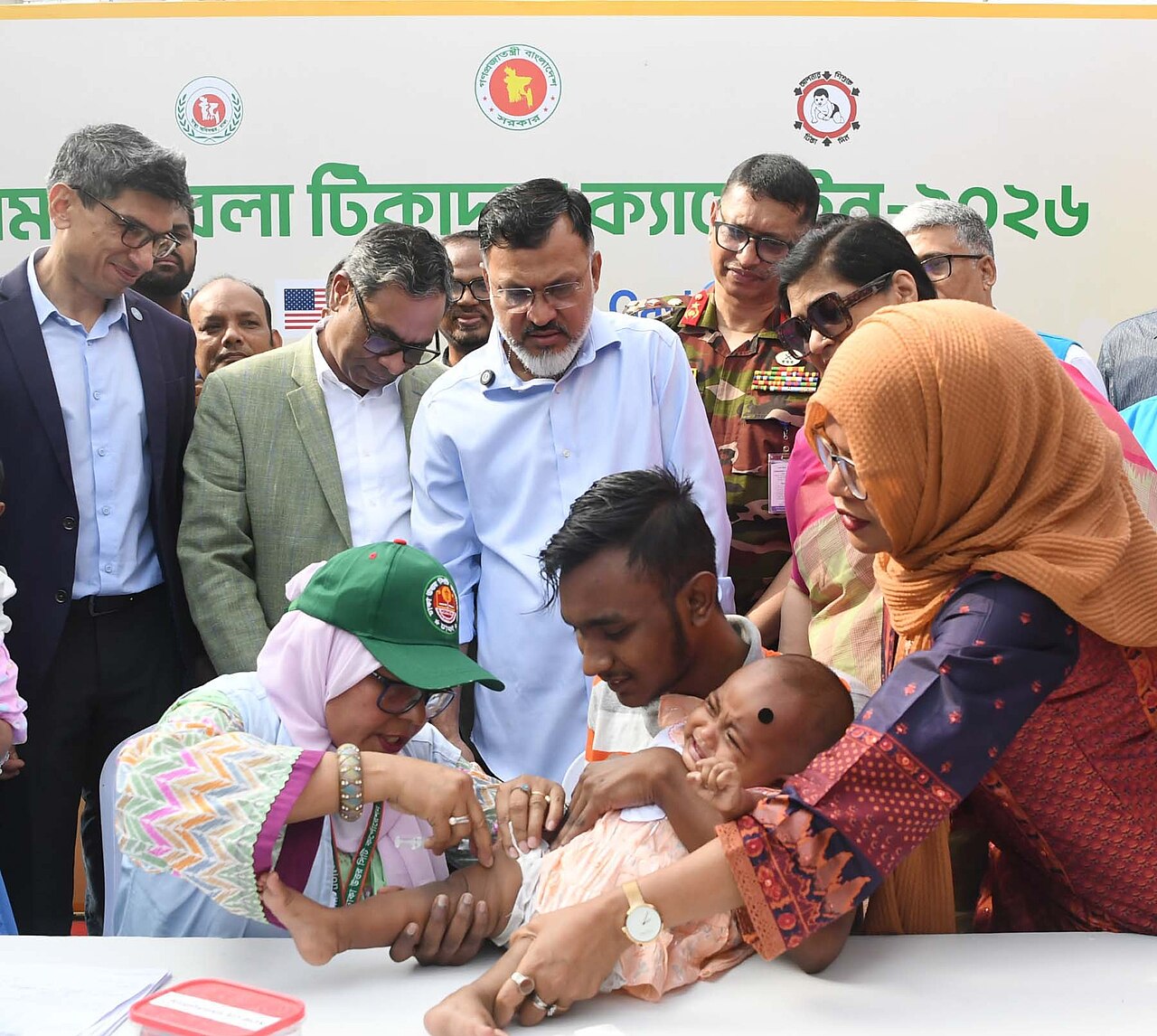
Bangladesh is currently experiencing a devastating measles outbreak, with over 100 children dying from suspected measles cases within just one month. As of mid-March 2026, more than 7,500 suspected cases have been registered, with over 900 laboratory-confirmed infections. This represents a dramatic surge compared to 2025, when the entire country recorded only 125 cases for the full year.
Most Vulnerable Populations
The outbreak has disproportionately affected the youngest children. Approximately one-third of infected individuals are infants under 9 months old, who remain ineligible for routine measles vaccination. This age group faces heightened risks of severe illness and life-threatening complications from the disease.
Root Causes of the Outbreak
Several factors have contributed to this deadly spike. First, Bangladesh has not conducted a special measles vaccination campaign since 2020, when the COVID-19 pandemic disrupted public health programs. Second, political instability in 2024, which led to the removal of long-serving Prime Minister Sheikh Hasina through mass protests, further interrupted essential health services. The transitional government that followed faced challenges in organizing routine vaccination programs, and new government leadership only formed in February 2026. Consequently, a planned April vaccination campaign was delayed due to procurement issues.
In response to the crisis, authorities launched an emergency vaccination campaign on Sunday targeting 1.2 million children aged 6 months to 5 years across 30 upazila (sub-districts).
The response prioritizes Dhaka, the capital city, and Cox’s Bazar, home to the world’s largest Rohingya refugee camps. The World Health Organization (WHO) and UNICEF are providing critical support for vaccine delivery and case management.
The Situation of the Rohingya Refugees
The crisis has a particular impact on Rohingya refugees living in Cox’s Bazar, where over 1.1 million displaced people reside in the world’s largest refugee camps.
Following renewed violence in Myanmar’s Rakhine State during 2024-2025, approximately 200,000 additional Rohingya fled to Bangladesh. The camps face severe overcrowding, inadequate sanitation, and limited access to healthcare—factors that accelerate infectious disease transmission. In 2025, reduced US foreign aid under the Trump administration created a critical funding shortfall, undermining humanitarian response efforts.
Between February 2022 and March 2026, over 25,300 people embarked on boat journeys from Myanmar, with more than 2,300 dying or going missing. Over 250 Rohingya and Bangladeshi migrants are currently missing after a boat carrying them capsized in the Andaman Sea in April 2026, highlighting the escalating danger of these maritime crossings.
The 2025-26 Joint Response Plan launched in March 2025 requires sustained international support to address these vulnerabilities. Refugees remain particularly susceptible to measles due to disrupted vaccination campaigns and poor living conditions during monsoon seasons.
