
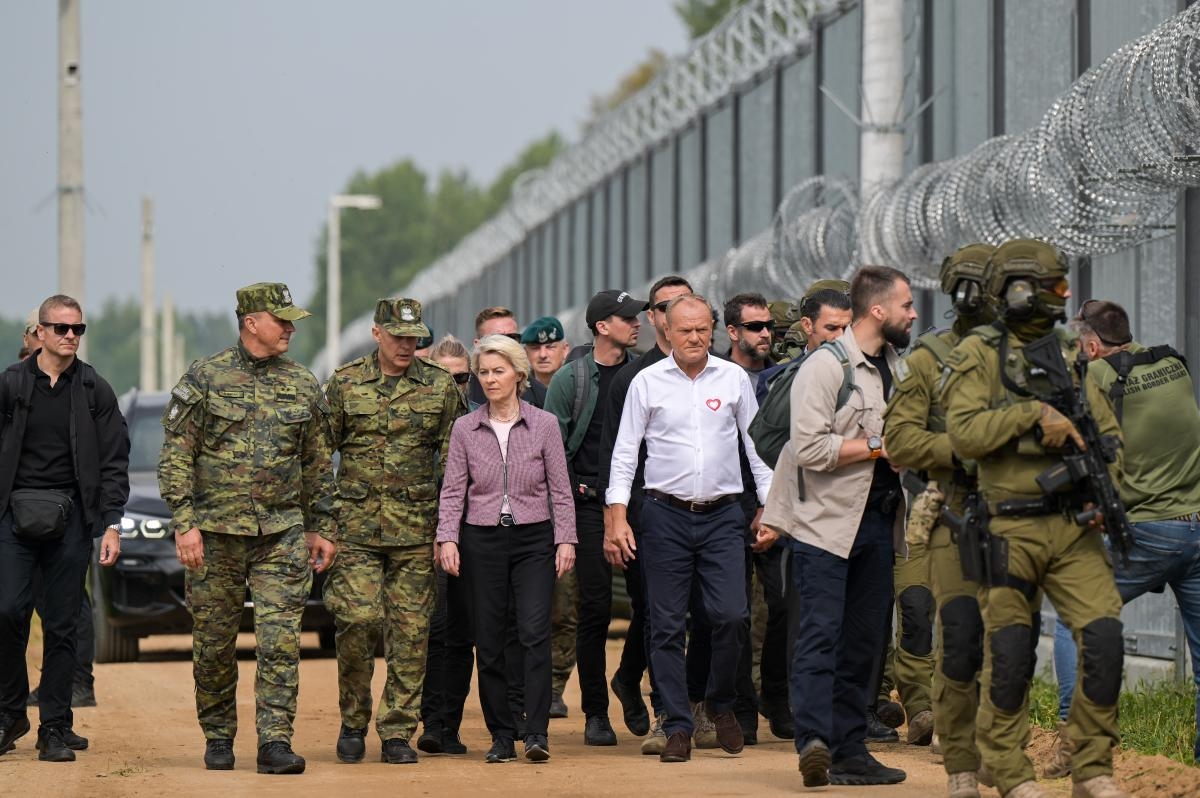
Poland’s approach to Afghan refugees reflects broader EU migration dynamics while maintaining distinct national policies. As of 2024, Poland received 275 asylum applications from Afghan nationals, with a notably high in-merit protection rate of 95 percent. However, Afghan refugees face complex challenges related to border policies, reception conditions, and integration pathways.
Afghans Made Up A Significant Portion of Asylum Applicants
According to official data from Poland’s Office for Foreigners, Afghan applicants represented a small but significant portion of the 17,020 total asylum applicants in 2024. The protection outcomes for Afghans were favorable compared to the overall average: 63 received refugee status, 3 subsidiary protection, and 39 humanitarian protection status out of 62 merit decisions processed.
Poland hosts a relatively small Afghan population compared to other EU states, where approximately 56 percent of Afghans receive protection status. The Office for Foreigners reported 97 individuals granted humanitarian protection status through return proceedings in 2024.
The broader context shows 15,197 total asylum applications were filed in Poland during 2024, a 72 percent increase from 2023. Most Afghan applicants file at the Belarus border facility in Czeremcha.
A Continuing Crisis at the Polish-Belarus Border
The situation started in 2021 when the number of attempted border crossings along the Polish-Belarusian border, which is 418 kilometers (260 miles), abruptly increased.
A year ago, prosecutors and Poland’s border guard dismantled a group working in a state labor office that they claim corruptly helped more than 12,000 immigrants to enter Poland and the European Schengen Area.
The current tensions come against the backdrop of continued irregular crossings further east from Belarus into Poland. In December 2025, more than 180 migrants entered Poland through a tunnel dug beneath the forested border area, with Polish border guards later discovering a narrow passage reinforced with wood and metal supports. Dozens were detained, while others initially escaped.
Border Policy Challenges
Poland has implemented controversial border measures affecting Afghan migrants specifically. In March 2025, Poland suspended asylum rights at its Belarus border for 60 days, with repeated extensions keeping the measure in force for over a year. This suspension leaves Afghan migrants exposed to forced deportation risks if they entered through Belarus.
The border guard conducted over 6,000 pushbacks between July 2023 and January 2024, a practice criticized by human rights groups and deemed unlawful by Polish courts in some instances .
Council of Europe’s Commissioner for Human Rights Michael O’Flaherty in his letter to the Polish government expressed his concerns about the suspension, as he wrote: “In this regard, I note information about the recent removal of a group of Afghan nationals from Poland to Afghanistan, who were not provided with an opportunity to lodge asylum applications.”
Mixed Picture
While protection rates for recognized applications remain high at 95 percent, procedural barriers at borders and limited specialized reception support create challenges. A deportation monitoring by Frontex found Poland had not properly assessed asylum claims.
The suspension of asylum rights at the Belarus border introduces uncertainty for Afghan migrants seeking safety, potentially contravening international obligations.
