
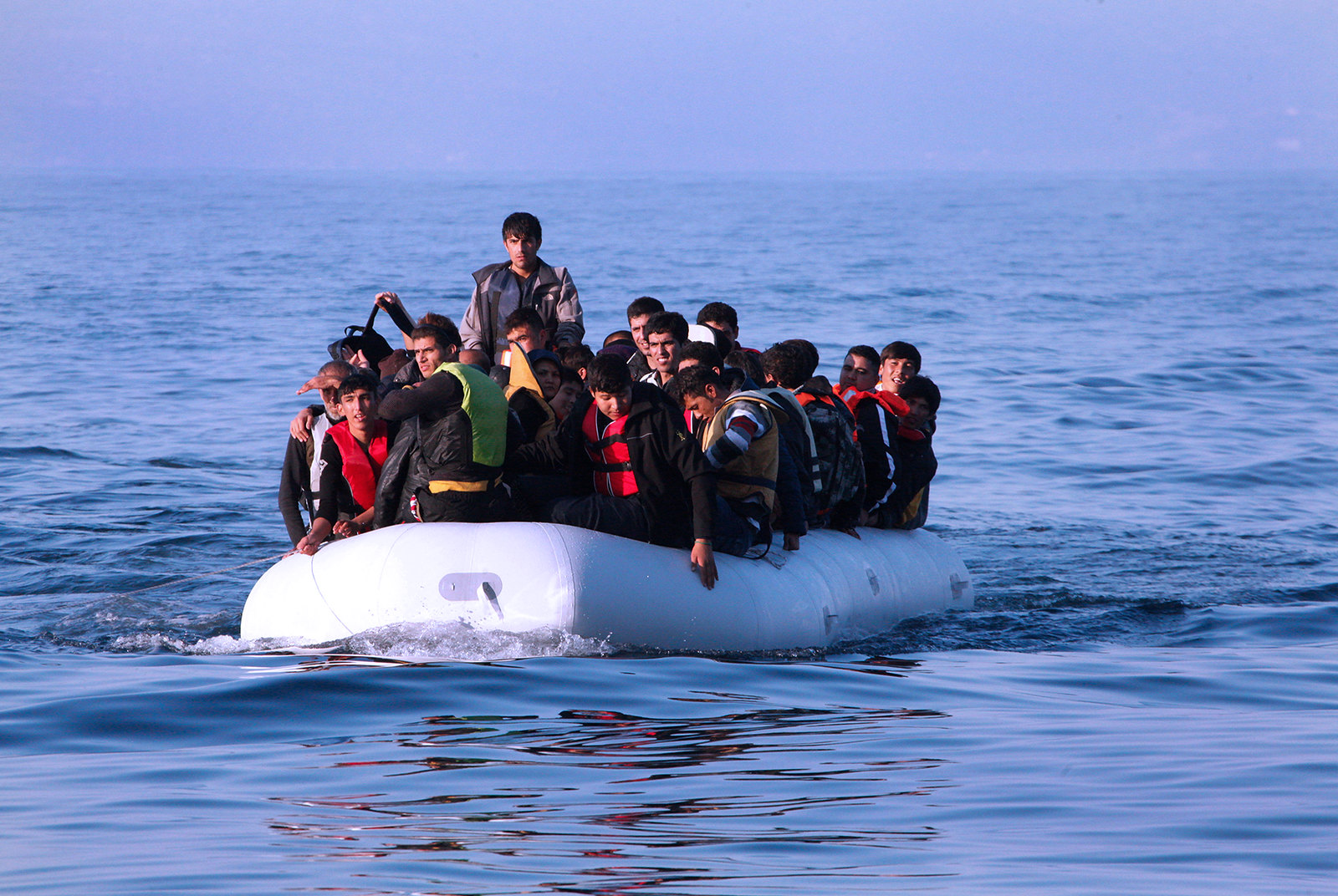
The international agreements resulted in the establishment of a strong bureaucratic apparatus geared to ensuring that asylum had genuine force.
However, these agreements leave it up to nations to decide which peoples obtain permanent protections within their boundaries. As a result, there is a gap between the individual’s right to asylum and the state’s ability to provide it.
The right to asylum has been in decline for many years around the world, with its force and meaning dwindling alongside the global retraction of human rights.
Over the past year, states in the global north have weakened asylum safeguards, hardened borders, and revised immigration rules, reducing the resources available to vulnerable groups.
If their attempts are successful, the right to seek asylum – a fundamental freedom and key aspect of the postwar system – may become an artifact of a bygone era, one of many casualties of the rising anti-liberal global order.
The 1951 United Nations Convention Relating to the Status of Refugees prohibits signatories from returning refugees to countries where their “life or freedom would be threatened.”
The 1984 United Nations Convention Against Torture strengthened states’ duty never to transfer persons to places where their lives would be endangered.
The European Convention on Human Rights (ECHR), signed in 1950, ensures that individuals within European borders have the right to a “private and family life,” allowing refugees to reunite with family members within the EU.
How are Developed States Treating Asylum seekers?
In the United States the right to asylum has been “almost entirely extinguished,” with the processing of applications from 39 countries (such as Afghanistan, Cuba, Iran, and Syria) subject to an indefinite pause. Immigration officers have frequently declined to conduct “credible fear” interviews, which are the basis for protection claims.
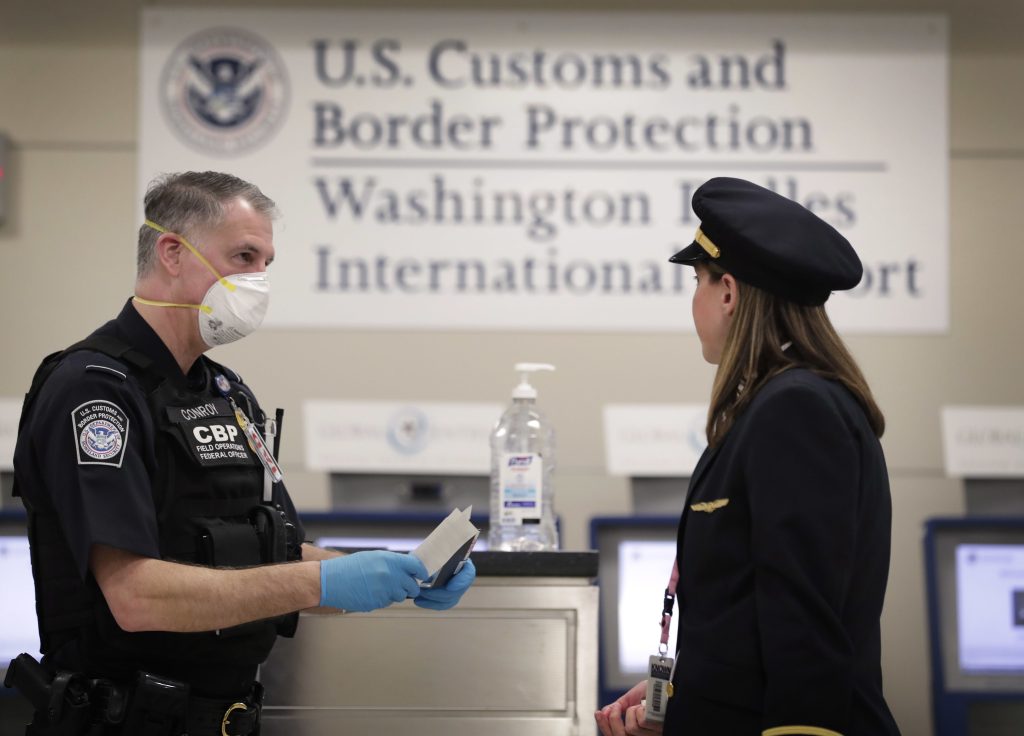
In practice, asylum seekers are jailed for long periods or returned to countries where they face imprisonment or torture. Although courts have ruled certain border bans illegal, the state continues to rely on expedited proceedings and detention.
TracReports showed that over a year, the US Immigration Court’s asylum grant rate has been cut in half. “The grant rate had been 38.2 percent a year earlier in August 2024. In August 2025, just 19.2 percent of refugee seekers were given asylum,” the site stated.
The US’s northern neighbor, Canada, passed in March a new retroactive law that requires asylum seekers to petition for protection within one year of entering the country. Those who fail to do so receive letters from the government directing them to “leave Canada as soon as possible.”
The British government has removed guarantees of indefinite protection and housing for asylum seekers. This was an effort by the UK’s ongoing PM, Keir Starmer, to appease his conservative constituents.
Startmer and his Danish counterpart, Mette Frederiksen, called for changes to European human rights frameworks to facilitate deportations and limit family reunifications. In this subject, the two leaders even wrote an open letter to the European Court of Human Rights (ECHR).
Denmark, also teamed up with Italy, Poland, and the Baltic States, has petitioned for the ECHR to make it easier to deport refugees who have committed crimes, even if their home countries are deemed hazardous for deportation.

In the Balkans, as we wrote earlier, the asylum system exists only in paper, especially in Bulgaria and Greece. It is marked by pushbacks, detention, humiliation, strategic neglect, and the practical sabotage of asylum claims.
Spain is the only European country that defies the trend; they established a mass amnesty that allows immigrants to legalize their status for a modest charge. Applicants are granted work visas, and families are allowed to stay and work in the nation for a minimum of five years.
Spanish Prime Minister Pedro Sanchéz has described this immigration policy as a rejection of the “zero-sum thinking of the far-right” and an integral component of his country’s economic growth and “spiritual development.” The amnesty is the seventh such policy implemented in Spain in the last 50 years.
The new EU Pact on Migration and Refugees wants to expedite border procedures, which campaigners worry will result in more people in custody and a decreased possibility of individuals being given refuge.
How are Asylum Seekers Received in Asia?
To summarize, refugees are in more terrible situations than their counterparts who have traveled from their native countries to Europe and North America.
Both Pakistan and Iran have pursued the mass expulsion of millions of Afghan refugees, creating what the United Nations describes as a “multi-layered human rights crisis.”
Kabul’s “Illegal Foreigners Repatriation Plan” orders explicitly targeting undocumented Afghans for arrest and deportation. Human rights groups report that police practices are abusive, with authorities frequently detaining individuals and carrying out forced deportations. Even Afghans with pending resettlement paperwork or expired grace periods for Proof of Registration (PoR) cards are at risk of extortion and detention.
According to the Mixed Migration Centre 2025 Review, “deportations of Afghans from Iran have become increasingly prevalent. (..) over 559,000 Afghans were deported in 2024, marking an 18 percent increase compared to the previous year. During 2025, the situation has intensified further, with Iran carrying out deportations at an unprecedented and extraordinary speed.”
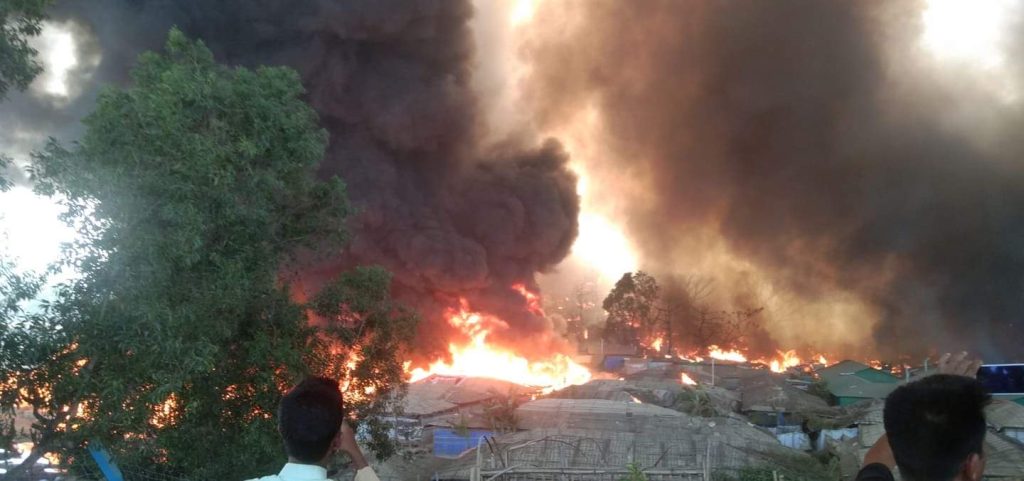
India’s refugee protection system operates in the absence of formal legal commitments under international refugee law. For instance, Delhi has not signed the 1951 Refugee Convention.
Under the Indian legal system, the same set of laws cover all foreigners, refugees, asylum seekers, and the stateless. These acts include the Foreigners Act of 1946 and the Citizenship Act of 1955.
In recent years, India has adopted a hardline stance towards refugees from certain countries and has frequently invoked the Foreigners Act to detain hundreds of refugees for illegal entry and stay. This hostility is perhaps most consequentially illustrated in the treatment of the Rohingya refugee population. Sources report from India that in an incident from last year the country “threw around 40 Rohingya refugees into the sea.”
The group had been detained in New Delhi, India’s capital city, and was then handed over to the Indian Navy, who reportedly cast them into the sea. The Office of the High Commissioner for Human Rights (OHCHR) condemned the act as “unconscionable and unacceptable.”