
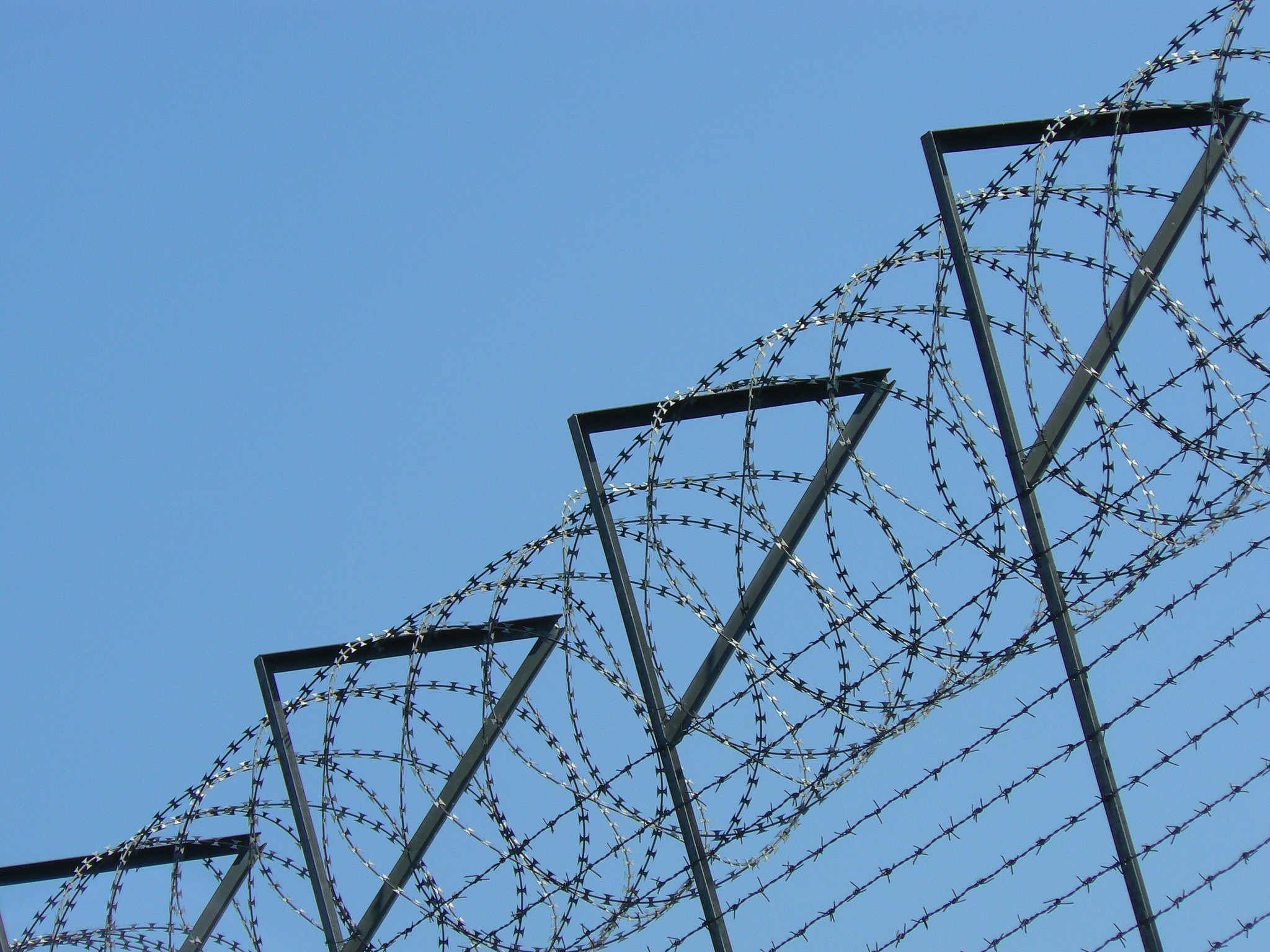
On paper, Bulgaria’s policy offers asylum claimants protection—but in practice, it does the exact opposite.
An advocate group, called Europe Must Act in partnership with Bulgarian researchers published The Bulgarian Way report which documents an asylum system marked by pushbacks, detention, humiliation, strategic neglect, and the practical sabotage of asylum claims.
The report highlights:
- People arriving in Bulgaria, or returned there under the Dublin procedure, are frequently denied access to reception camps, basic services, and material support.
- Bulgaria is not reforming an abusive system but preparing to deepen it.
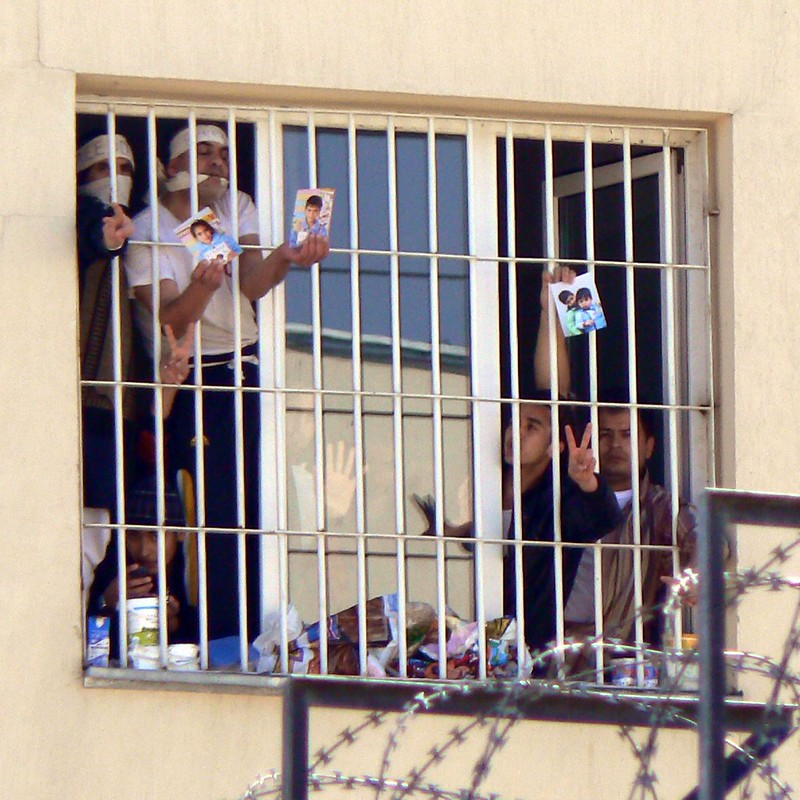
- So-called transit or reception facilities continue, in practice, to function as detention spaces. Monitoring remains weak.
- Vulnerability remains underrecognized.
- The implementation of Pact on Migration and Asylum is an opportunity for Bulgaria to entrench these malpractices.
The Bulgarian Way is not simply another migration report. The testimonies of the ten people on the move are disturbing.
They describe beatings, confiscation of belongings, pressure to sign documents people do not understand, inedible food, degrading sanitary conditions, lack of medical care and an atmosphere in which even asking for one’s rights can be punished.
A Pattern of Brutality
The European Commission’s first Annual Asylum and Migration Report, released last November, designated Bulgaria among eleven other European nations as being “at risk of migratory pressure”.
According to the Mixed Migration Centre, the Bulgarian route, which starts from Turkey and passes through Bulgaria, Serbia, and Bosnia and Herzegovina, represents the most dangerous crossing in the Western Balkans.
MMC noted: Violence and abuse were experienced by more than 60 percent of the interviewees who reported various forms of mistreatment. Smugglers demanded higher fees than expected, creating exploitation issues for migrants.
Some 13,568 pushbacks from Bulgaria were recorded in 2025, preventing due process, causing harm, and exposing people to further harm. Numerous respondents talked about police violence at the border.
How did Bulgaria’s Asylum Law Evolve?
Officially, Bulgaria’s asylum law does not serve as a penal framework. On paper, a person can request protection, even after an irregular arrival. The law guarantees shelter, food, healthcare, interpretation, and the right to remain while a claim is processed. Detention is intended to be exceptional, specifically justified, and utilized for the shortest feasible time.
The Bulgarian Constitution of 1991 provided the President of the Republic exclusive authority to grant asylum to foreigners persecuted for defending internationally recognized rights. This procedure is distinct from conventional administrative asylum.
The 1999 Refugee Law was the first comprehensive legislative act that shifted initial status determination responsibilities away from border police and established a dedicated administrative body, the Agency for Refugees.
The system was fully redesigned through the May 2002 Law on Asylum and Refugees (LAR). The LAR serves as the modern legal backbone defining the conditions, procedures, rights, and obligations for international protection. The LAR also established two primary tiers of administrative protection managed by the state, mimicking wider EU norms.
The LAR also distinguish the refugee and humanitarian status. The first granted to individuals with a well-founded fear of persecution based on race, religion, nationality, political opinion, or social group membership. While the humanitarian status or subsidiary protection g ranted to individuals who do not qualify as refugees but face a real risk of severe harm (such as death penalty, torture, or internal armed conflict) if returned. Bulgaria often altered its institutional processing to transpose EU directives. Responsibility was concentrated under the State Agency for Refugees with the Council of Ministers. (SAR). SAR is the major Bulgarian government authority responsible for processing applications for international protection, supervising receiving centers, and providing refugee or humanitarian (subsidiary) status.
The detention reforms (2016) accord with the reformed EU Reception Conditions Directive. Bulgaria formally implemented the imprisonment of asylum seekers into its national law on 1 January 2016. Previously, applicants were informally detained under irregular immigration regulations.
Now, it is possible to claim international protection on the territory, at crossings before the Border Police staff, or in detention facilities before the Migration Directorate staff, either of which are compelled to send it immediately to the SAR.
A Corrupted System
But, as the Balkan Insight’s piece underlined, the statutory safeguards are not what people really experience. The problem is not that the law openly authorises abuse but that the legal framework is frequently administered through a completely other logic: police reasoning, security logic, deterrent logic. In practice, rights that exist on paper are hollowed out by force, delay, intimidation and opaque decision-making.
That inversion begins at the border, there are incidents in which people who should have been registered as asylum seekers instead being sent back, prevented or directed into custody.
An Afghan LGBTQ+ applicant whose written asylum request was torn up by police before he was ejected. Others arriving at reception facilities or police stations to ask for refuge, only to be rejected registration completely. The investigation finds the same conclusion: the right to seek protection theoretically exists, but access to procedure is systematically hindered. What is supposed to be an exceptional administrative measure has become the operating center of the system.
People suddenly returned to Bulgaria under Dublin procedures, unaware of what is happening to them, held in detention and pressured to sign “voluntary return” papers; detainees subjected to physical and psychological violence in their first days of confinement; and transfers from Sofia to remote facilities like Lyubimets and Pastrogor, further isolating people from lawyers, NGOs, journalists, and solidarity networks.
Bulgaria’s current model creates enormous corruption pressure. That does not mean every individual actor is corrupt. It means the structure of deterrence generates ideal conditions for corruption.
The system does not eradicate smugglers, brokers and influence networks. It makes them indispensable. In 2022, Ivan Demerdzhiev himself, then interim interior minister, acknowledged evidence that police officers were implicated in migrant trafficking; by November that year, BTA was reporting that 14 Border Police officers were under investigation for supporting traffickers.
