
The last huge refugee movements that reached Europe in 2015–16 exposed a major weakness of the international protection system: refugees are often left with few safe and legal routes, forcing many to undertake irregular, expensive and dangerous journeys before they can access protection.
“When Legal Routes Are Limited, Refugees Are Often Pushed Into Dangerous Journeys”
Since then, initiatives such as the New York Declaration for Refugees and Migrants, the Global Compact on Refugees, the Global Compact for Migration and the Global Refugee Forum have encouraged states to develop more predictable and organized pathways, as renowned refugee expert Jeff Crisp writes on the Refugee Law Initiative blog.
These approaches reflect a growing realization that managing refugee movements is easier and more compassionate when individuals do not have to rely on smugglers or dangerous routes.
One significant advance has been the emergence of “complementary pathways.” These include community sponsorship, family reunification, humanitarian visas, educational grants, and labor mobility programs.
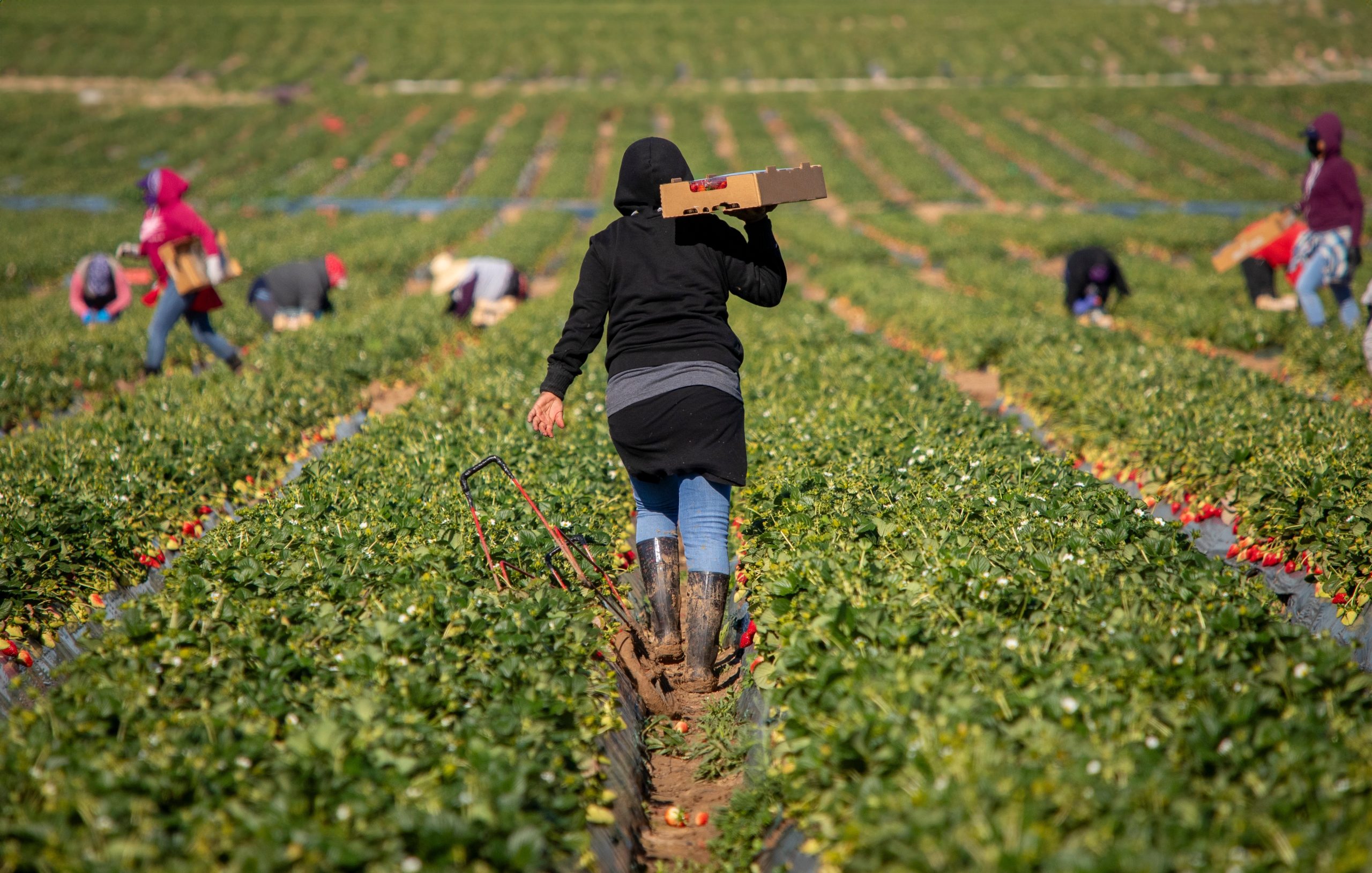
Labour mobility is particularly important because it enables refugees with required skills to relocate legally to countries where companies are prepared to hire them. In theory, it benefits both refugees and destination countries: refugees acquire security and opportunities, while companies fill labor shortages.
However, refugee labour mobility must be thoroughly investigated.
It is not the same as traditional resettlement, which typically favors the most vulnerable refugees. Instead, labor mobility prioritizes skills, qualifications, and employability.
This generates both opportunities and challenges. On the one hand, it acknowledges refugees as workers, professionals, and contributors, rather than simply as victims. On the other hand, it may disqualify persons with fewer qualifications, limited language abilities, or higher protection needs.
It is also critical to distinguish between structured labour mobility schemes and the independent efforts that refugees already make.
Many Syrians and Iraqis, for example, have relocated to Gulf states for work, typically using visas and permits rather than asylum procedures. These migrations are sometimes missed since they do not easily fall into recognized refugee classifications.
However, they highlight an essential question: should the international community focus solely on developing special programmes, or should it also remove barriers that hinder refugees from using traditional migratory and job channels?
A New Idea with Old Roots
The idea of matching refugees with labour-market needs is not entirely new. After the Second World War, many displaced Europeans were admitted to countries such as Australia, Canada, South Africa and the United States partly because their skills were needed.
During the Cold War, however, international policy increasingly separated refugees from economic migrants.
Refugees were treated primarily as people in need of protection, while migrants were associated with labour and development. Today, that distinction is being reconsidered. Refugees can be both people in need of protection and people with skills that can contribute to host societies.
The case for complementary pathways has become stronger as displacement has grown. UNHCR reported that 123.2 million people were forcibly displaced at the end of 2024, the highest figure then recorded and almost double the number from a decade earlier.
According to ILO, in 2022, 167.7 million international migrants actively participated in the labour force of their destination countries. Among them, 155.6 million were employed and 12.1 million were unemployed.
Recent pilot programmes in countries such as Canada, Australia and the United Kingdom reflect this changing thinking.
Organizations such as Talent Beyond Boundaries have helped connect skilled refugees with employers abroad. These initiatives show that legal employment pathways can work, but they remain small in scale. Their effectiveness is also difficult to measure because independent research is limited and much available information comes from organizations promoting the programmes.
A Win-Win Situation
The benefits of refugee labour mobility are nevertheless clear. It can help refugees escape protracted displacement, particularly in countries where they are denied the right to work. It can reduce dependence on humanitarian aid, increase self-reliance and allow refugees to support relatives through remittances.
But the limitations are equally important. Labour mobility programmes are unlikely to benefit more than a small percentage of the world’s refugees. They are complex to administer and often costly on a per-person basis. They tend to favour refugees who speak English or another international language, possess formal qualifications and can meet immigration requirements.
Many refugees, especially those with interrupted education or informal work experience, may be left out.
There is also a risk of inequality between countries. If wealthy states recruit the most educated and skilled refugees from poorer host countries, this may deprive already struggling communities of valuable human capital.
Another major issue is the relationship between labour mobility and refugee protection. Refugees are not ordinary migrant workers. They may be unable to return safely to their country of origin and may lose protection if their legal status is tied too narrowly to one employer or one contract.
Strong safeguards are therefore essential. Refugees admitted through labour pathways should have fair wages, decent working conditions, freedom to change jobs, family reunification rights, access to public services and protection against forced return.
The most important challenge is to ensure that labour mobility complements rather than replaces asylum and resettlement. It should not become a way for states to avoid responsibility for the most vulnerable refugees. Nor should it reduce protection to a labour-market transaction. Refugees have rights and needs that go beyond employment, including legal security, family life, education, health care and long-term belonging.
The future of refugee labour mobility therefore depends on how it is designed. If it is guided only by employer demand, it will remain narrow and exclusionary. If it is grounded in refugee rights, fair access and long-term integration, it can become an important part of a more humane and practical response to displacement.
