
Syrian refugees in Bulgaria are facing deportation, despite having received international protection, according to a BIRN investigation.
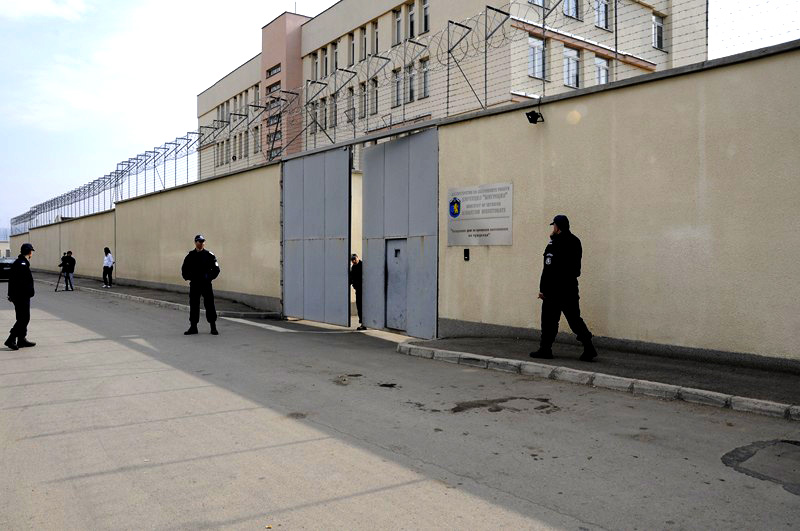
One of the refugees, called Imad, told the journalist that Bulgaria’s State Agency for National Security (SANS) arrested and revoked his residence permit. Subsequently he unsuccessfully appealed and remains in detention awaiting deportation after being banned from re-entering the EU. He is often questioned about why he was allowed to live as a terrorist.
Deportation is not simple, however Bulgaria, or the European Union, would need some kind of agreement with the new post-Assad government in Syria, but so far no such deal has been publicly announced.
So instead, Imad has been visited four times in the past year by officials from Frontex, who, his lawyer said, tried to convince him to return to Syria ‘voluntarily’. Bulgarian officials, almost certainly from the Migration Directorate of the interior ministry, regularly do the same, Imad told BIRN.
Voluntary vs. Assisted Returns
For a decade, as Assad clung to power, Syrians were almost guaranteed some form of international protection in Bulgaria. But in 2023, asylum claims hit record levels and attitudes hardened towards those trying to cross its borders irregularly, including Syrians, Afghans and others from the Middle East, Africa and Asia.
A programme of Assisted Voluntary Return and Reintegration, AVRR, was expanded under the auspices of the interior ministry, and, in the wake of Assad’s ouster in December 2024, more than 200 Syrians were returned in the first six months of this year alone.
Authorities insist these returns are voluntary, even when they occur from detention. Each ‘volunteer’ receives 150 euros in cash at the airport before boarding a return flight.
Funded by the European Commission, the executive arm of the EU, to the tune of millions of euros and supported by Frontex, the expanded AVRR programme marks a sharp shift in Bulgaria’s approach to the protection of Syrian refugees but faces growing questions about the tactics deployed.
The Bulgarian interior ministry said the Migration Directorate is “obliged to inform all third-country nationals with imposed coercive administrative measures about the existing voluntary or forced return programmes”.
Voluntary return is defined by the United Nations refugee agency as the repatriation of a refugee to their country of origin “based on a free and informed choice”. Unlike forced deportations, there should be no coercion or force applied. In the event that authorities provide financial and logistical assistance to individuals who cooperate with their deportation, they are called assisted returns.
Over the summer of 2024, while Assad was still in power, the success rate of asylum applications from Syrian nationals in Bulgaria started to drop precipitously.
In justifying its decision, Bulgaria’s State Agency for Refugees, SAR, stated that the violence in the country “does not reach a level of indiscriminateness” that might warrant an offer of asylum.
The Assad regime fell in December, and in the first three months of 2025, more than 1,000 Syrian nationals were turned down for asylum.
Migrants in irregular situations who are arrested can register as asylum seekers at Lubimets or Busmantsi. They are then released in several days, two weeks maximum, before going to accommodation centers open and reserved for this kind of public.
Voluntary return – Founded by the EU, counselled by Frontex
Three-quarters of the funding of Bulgaria’s AVRR programme comes from the European Commission.
Frontex also provides so-called ‘return counselling’ for rejected asylum seekers, which can include information on the “obligation to leave the country and the consequences of not leaving,” and encouragement of “voluntary return”.
According to the Frontex spokesperson, in 2024 the agency sent two such counsellors to Bulgaria, where they conducted 976 so-called information sessions, such as the four Imad attended. In 2025 so far, there were plus five counsellors in the country, conducting 1,152 sessions and assisting 69 voluntary returns of Syrian nationals.
Diana Radoslavova, a lawyer and founder of the Bulgarian legal aid NGO Centre for Legal Aid, said these sessions, coupled with an individual’s material circumstances in detention, amount to coercion.
