
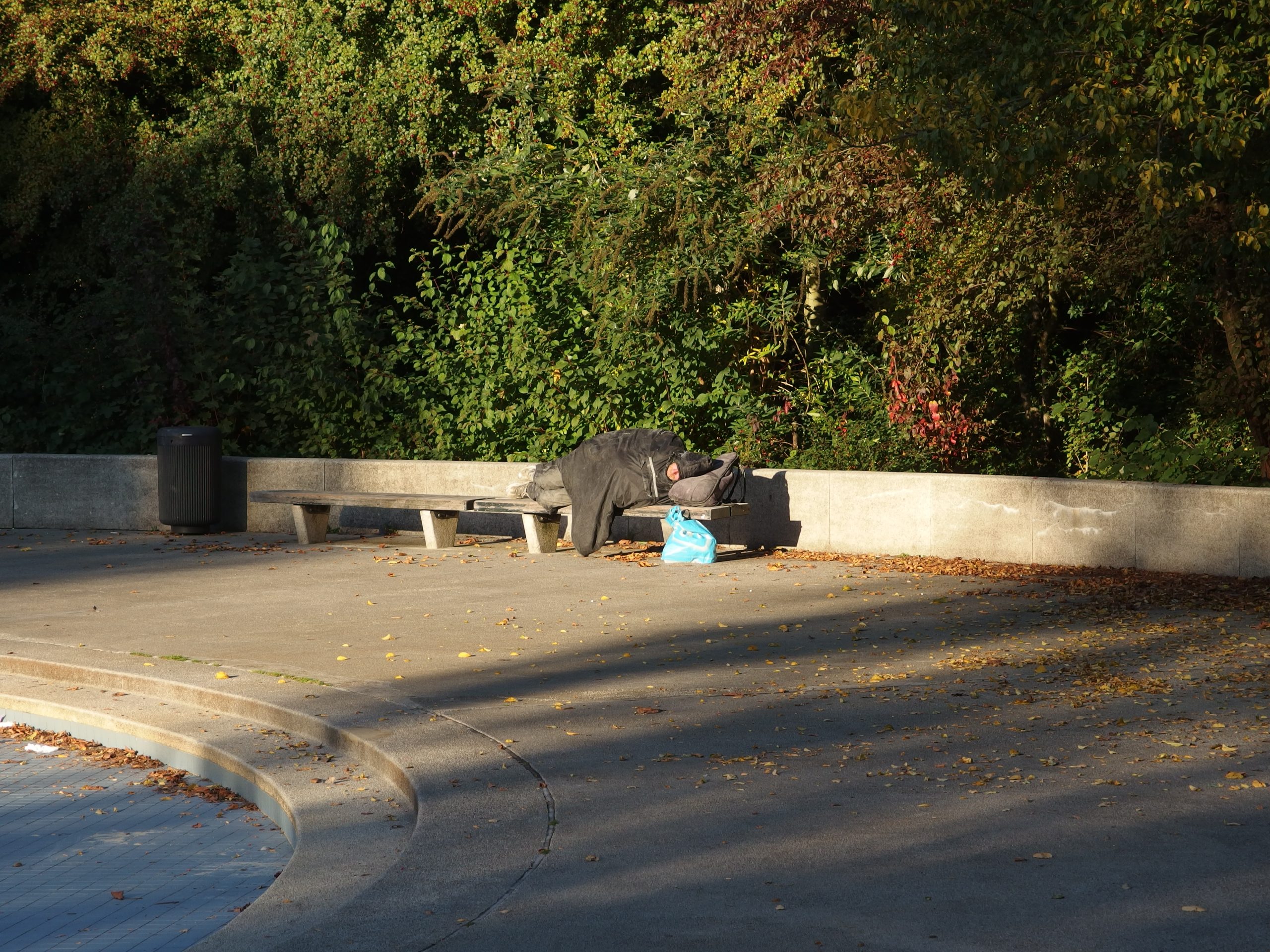
Asylum seekers might be left without accommodation in the Netherlands, as the main reception center in Ter Apel is expected to run out of spaces in the coming weeks, the Central Agency for the Reception of Asylum Seekers (COA) told Dutch news platform NLTimes last week.
If the asylum seekers are unable to find alternatives, they run the risk of sleeping on the streets just as winter approaches. However, the struggle is at the intersection of complex systemic issues.
A Multifaceted Issue
The lack of available sleeping spaces has been a chronic issue for the COA, who were forced to introduce controlled access in May 2026 due to continued pressures. This situation resulted in the establishment of emergency overnight accommodation across various locations. However, the agency emphasizes that this is not due to an increase in the influx of asylum seekers but shelter residents staying longer than necessary.
The Immigration and Naturalization Service (IND) is required to decide an asylum application within six months of the asylum seeker’s registration or pay a compensation fee to the applicant. In the first half of 2026, delays were so significant that IND paid €99 million in fines to asylum seekers.
The backlog of asylum cases strands many in the COA shelters for far longer than calculated. Additionally, court appeals also take longer than before, adding to those who need the shelters despite a drop in new applicants.
The Netherlands is already grappling with a housing crisis that impacts those who have received protection. Almost 18,500 people are waiting to be distributed into various housing centers across the country, according to RTL News.
Due to the limited space, only vulnerable individuals were granted immediate access to emergency housing centers. COA warns that it is now difficult to provide children, women, and people with medical problems with immediate shelter, with an increasing number of people awaiting access outside the Ter Apel reception center.
Bill to Send Rejected Asylum Seekers to Jail
The same day COA issued its warning, Dutch Asylum Minister Bart van den Brink presented a bill that he describes as the “final piece” of the Dutch asylum policy setting out a last resort for dealing with those actively obstructing their deportation process.
The bill states that any asylum seeker whose application was rejected, or any other foreign national not allowed to stay in the Netherlands, who obstructs their deportation processes by providing no or false information about their identity, or refusing to take the necessary steps to return, would face criminal prosecution, with a penalty of up to six months in prison.
“We must be able to penalize people who have no right to stay and who persist in obstructing their deportation,” the minister said. “Asylum policy cannot function without a credible return policy in which the obstruction of return is no longer tolerated.”
This spring, there was a motion to criminalize illegal residence, but it failed in the Senate due to opposition from the coalition party D66.
Uncertain Future
Should the bill pass, the housing crisis will continue to affect those awaiting emergency shelters. Even the Red Cross’s additional overnight shelters filled up within weeks. Remco Bakker, the head of the COA, urged municipalities to seek emergency solutions, as the current system is reaching its limits.
“We must work together to ensure that people do not end up on the streets. It is inhumane,” NLTimes quoted Bakker as saying.
