
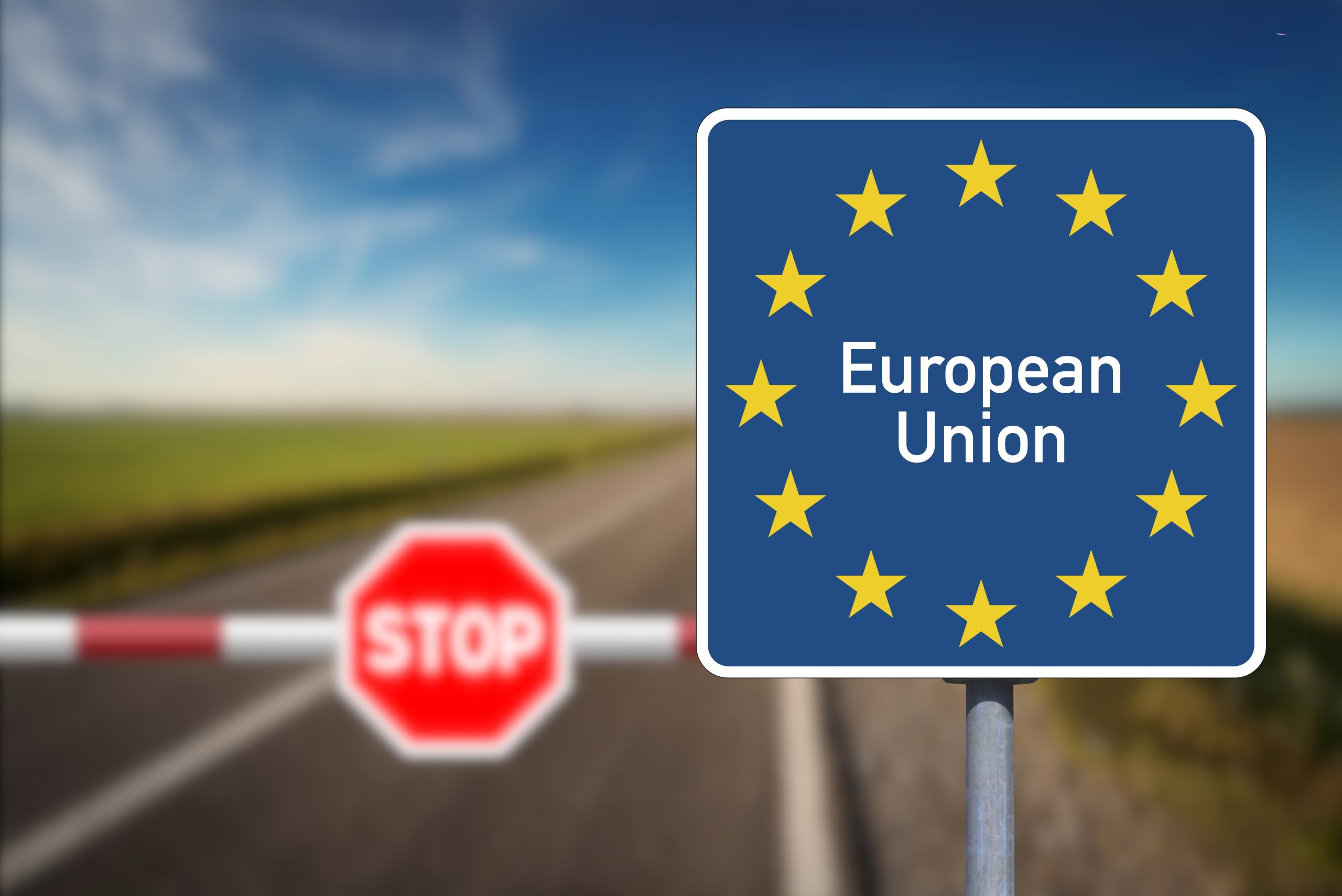
EU governments want more flexibility to use development funding for migration control, including controversial return hubs outside the bloc. But international aid rules impose limits — and human rights organisations are raising the alarm.
What are the Return Hubs, and What are They for?
Sending irregular migrants to third countries rather than their country of origin is a fairly recent phenomenon. As early as 1986, Denmark proposed a draft resolution in the United Nations General Assembly for the creation of UN centres for the processing of asylum claims.
European Union countries will be able to set up return hubs in third countries once the return regulation enters into force. These facilities in non EU countries would be used to host irregular migrants who do not have the right to remain in the EU.
The EU has been trying for decades to get more irregular migrants to leave. They would have to conclude an agreement with a third country that is safe and recognises human rights.
The examples of establishing return hubs in third countries suggest this could prove expensive and involve only small numbers of migrants. Just look at Italy’s much-wanted detention centers in Albania and the failed UK-Rwanda scheme. They have cost €153,000 and £715 million to Rome and London, respectively.
The plans have been criticised by non governmental organisations (NGOs), who worry how the human rights of the migrants involved will be affected. There are likely to be many legal challenges, as well.
Would EU Development Money Fund Return Hubs?
Last June, the European Parliament and governments passed a contentious returns law, which clearly allows EU countries to deport rejected asylum applicants to “return hubs” in foreign countries. The model was the aforementioned Italian detention facilities in Albania. This September, Austria, Denmark, Germany, Greece, and the Netherlands will collaborate to establish return hubs outside the EU. The five-state consortium is now negotiating the establishment of hubs on the territory of one or more partner countries, which have yet to be named. According to Euronews, Uganda and Rwanda are the most likely candidates.
According to the same statement, the Netherlands is also looking into options to process asylum claims outside of Europe, alongside Denmark, Malta, and Sweden. International organizations for migration and refugees were also active. The Netherlands stated that they expected to be able to announce agreements by the end of 2026.
To reduce the load on national budgets, EU countries explicitly urged that Global Europe funds be used to design and implement “innovative solutions”. The plan is also being explored in the upcoming seven-year EU budget negotiations.
According to the Global Europe project, “the 2021-2027 budget will increase the effectiveness and visibility of the EU’s external policies, strengthen coordination with internal policies and give the EU the flexibility needed for a faster response to new crises and challenges.” The proposed instrument is worth around 200 million euros, a 75% increase from the €92.3 billion allocated to external action in the current EU budget.
The boost came alongside a departure from the bloc’s traditional focus on poverty eradication, as migration control increasingly takes precedence over other strategic interests abroad. The EU remains the world’s largest international donor, even the bloc’s development aid dropped by 23 percent last year.
Has EU Development Aid Been Used for Border Control Before?
In 2020, research from Oxfam found at least €1 billion from the EU Trust Fund for Africa (ETFA), established in 2015 to eradicate the root causes of migration, had been spent to “close borders, stifle migration and return migrants to Africa.”
“In several countries, the integration of migration politics into EU policies has been counterproductive” the report writes.
The EU’s short-sighted cooperation with and funding for authorities in Libya, for example, is fuelling human trafficking and the arbitrary detention of refugees in horrific and dangerous conditions. In a country that descended into Civil War for over a decade, the EU funded training, vehicles, equipment and operational support for Libyan coastal authorities. By July 2020, EU-funded border management programmes in Libya totalled €57.2 million, including the delivery of 30 vehicle.
The EU also allocated €105 million (and later an additional €50 million) to Tunesia, for migration-related support, including border management, coastguard assistance, anti-smuggling measures, and returns.
In the countries of the Sahel, European pressure to prevent people from leaving their homes has not taken the repeated droughts and destabilising security situation into account and aid has been spent on preventing people from relocating. In Niger, for instance, the ETFA supported migration management, anti-smuggling investegations and migrant transit facilities.
Are There Any Restrictions On Using Developing Aid?
Ninety percent of of Global Europe funding is intended to meet official development assistance criteria, leaving a smaller share for activities outside those criteria. This creates legal and financial constraints on directly funding detention and deportation infrastructure.
Using development aid for migration return and readmission has revealed persistent tensions. It can undermine local trust, overburden partner structures, and dilute impact by forcing trade-offs between goals.
