
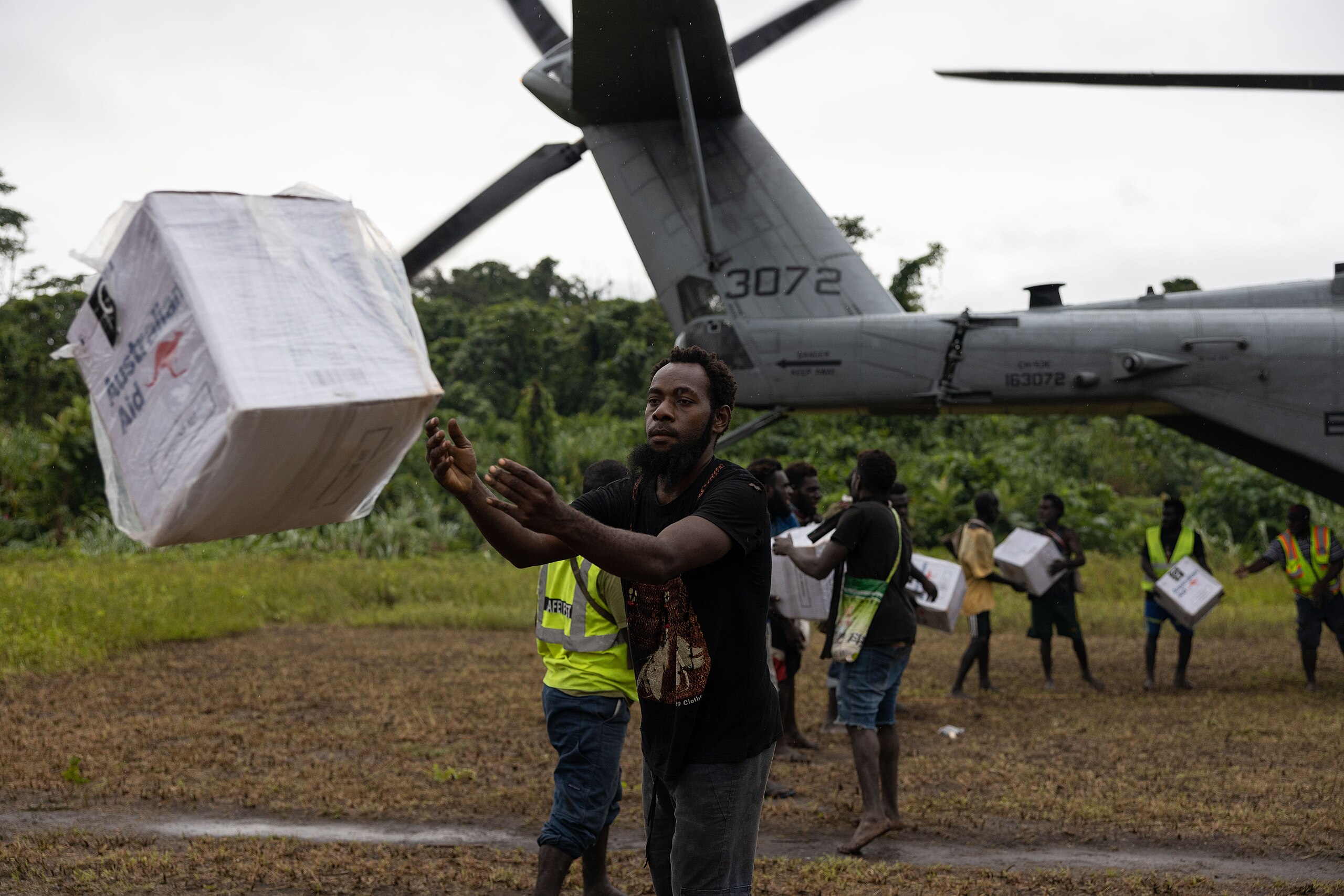
According to the International Rescue Committee (IRC), nearly 300 million people around the world rely on humanitarian aid. But as world politics focuses elsewhere, global aid is being cut with Trump’s slashing of USAID ending 80% of its programs (BBC link) to put ‘America First’ beginning a chain reaction.
As international development has been sidelined due to growing national security concerns, money that meant a lifeline for many vulnerable regions and states is suddenly gone, which could bring devastation.
Africa: Most Needs Mean Most Losses
Of the 13 countries listed by the IRC as most vulnerable and most affected by these cuts, ten are in Africa.
The UN World Food Program (WFP) has warned that it is forced to cut food aid in these areas as its major Western donors stop paying, leading to a drastic decrease in aid in areas like the Central African Republic, Egypt, Ethiopia, and Libya. According to the Center for Global Development (CGD), Ethiopia is expected to fall short of the most aid, with Jordan, Afghanistan, and the Democratic Republic of Congo just behind.
In Uganda, refugees are already forced to survive on less than 500 calories per day. Chad, which houses a quarter of the 4 million refugees fleeing the Sudan War, is facing food ration cuts.
Malnutrition rates among children are especially worrying in Uganda and South Sudan, where reception centers’ young are beyond emergency levels. Millions who fled Sudan are completely dependent on the WFP, which will no longer be able to support them.
Global Community Means Global Problems
Aid is necessary not just to protect life locally but to prevent global fallouts; the lack of disease control would mean infection across the continent, making containment increasingly difficult. If climate crises aren’t properly addressed, they cause death where they occur, and mass migration waves can reach developed states.
The cutting of USAID alone is expected to cause over 14 million deaths by 2030, according to The Lancet medical journal, which would include 4.5 million children under the age of five.
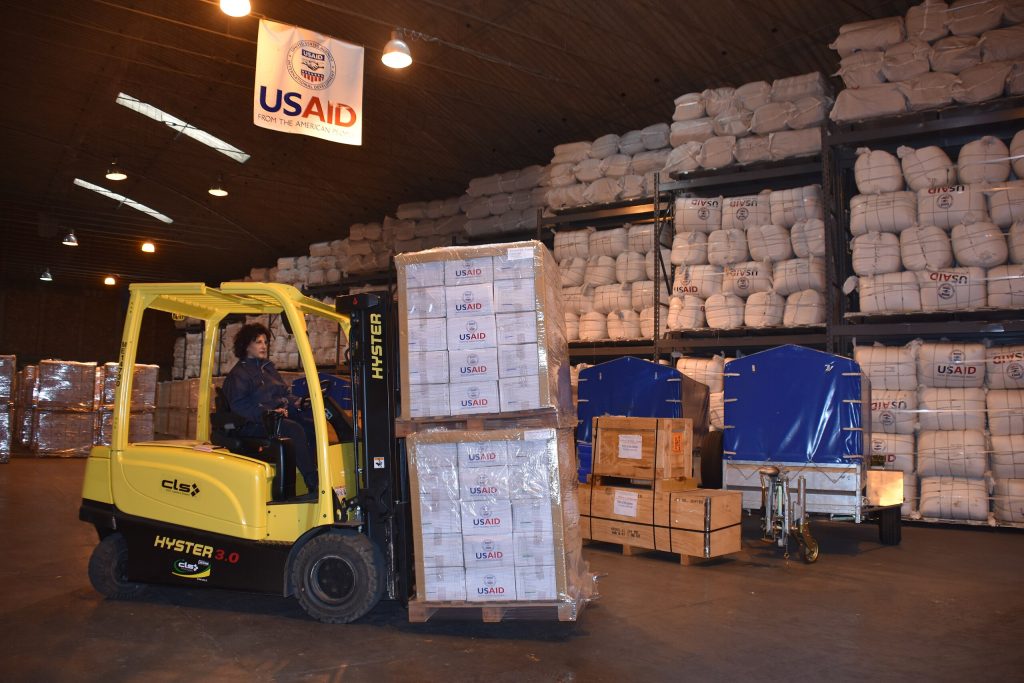
But these cuts began a landslide, with other nations such as the UK, France, and Germany following suit.
The CGD says the UK is to reduce its foreign aid spending by around 39% compared to 2023 levels. Meanwhile, Germany plans a cut of about 27%, while Canada and France are slashing their aid budgets by 25% and 19%, respectively.
UN to Refocus on Hyper-Prioritised” Plan
According to the United Nations, it is facing “the deepest funding cuts ever to hit the international humanitarian sector.”
The UN Office for the Coordination of Humanitarian Affairs (OCHA) has adjusted its appeal accordingly; in December $44 billion had been the target, but in June this was decreased to $29 billion in aid.
“Brutal funding cuts leave us with brutal choices,” said Undersecretary-General for Humanitarian Affairs and Emergency Relief Coordinator Tom Fletcher.
“All we ask is 1 percent of what you spent last year on war. But this isn’t just an appeal for money – it’s a call for global responsibility, for human solidarity, for a commitment to end the suffering.”
