

Greece has been a primary gateway to the European Union for migrants and refugees from the Middle East, Africa, and Asia for an extended period, particularly since 2015. In recent years, the number of arrivals from Turkey has decreased, whereas the route from Libya has become more active. Consequently, the Greek government has intensified its collaboration with both Libya and Egypt to resolve the migration flows.
On Wednesday (July 9), Greek Prime Minister Kyriakos Mitsotakis announced the suspension of the processing of asylum applications for migrants who arrived in Greece by sea from North Africa. He also stated that Greece would implement stringent legal measures to prevent future arrivals.
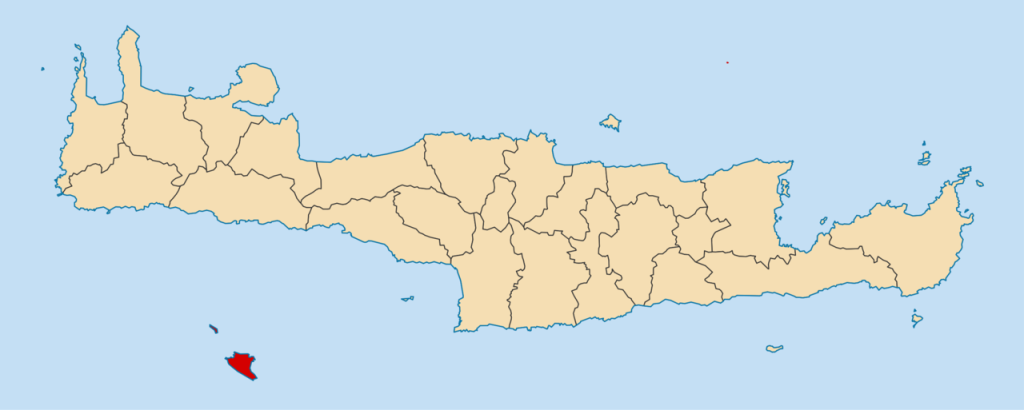
The sea route from Tobruk in Libya to Europe via the southern Greek islands is not a novel concept; however, its popularity has been on the rise, as an increasing number of old trawlers and overcrowded vessels are reaching the coasts of Gavdos and Crete.
In 2023, the number of migrants rescued south of the island was just below 800. Arrivals rose to 2,297 in the first six months of 2024, and they have since surpassed 7,300 since the beginning of the year.
Greek Islands are Under Siege from Migration Flows
The government of Greece is provisionally suspending asylum applications for migrants who have arrived on the island of Crete in response to a surge in Libyan arrivals. The coast guard has reported that over 2,000 migrants have arrived on the island since the weekend, bringing the total number of arrivals this year to over 10,000.
At the end of June, Greece revealed the deployment of two frigates and an additional naval vessel off the coast of Libya to deter migrant arrivals on its southern islands, particularly Crete and Gavdos.
Prime Minister Kyriakos Mitsotakis stated in parliament that the government intended to establish a detention facility on Crete for migrants and was actively pursuing direct cooperation between the Libyan and Greek coast guards to intercept boats departing the North African nation.
“This emergency situation clearly demands emergency measures,” Mitsotakis told parliament Wednesday. “The Greek government has decided to inform the European Commission that … it will suspend the processing of asylum applications – for an initial period of three months – for those arriving by sea from North Africa.”
Migrants who arrive in Crete by sea will be subject to the suspension. Mitsotakis stated that migrants who enter the country illegally will be detained. The 350-kilometer journey to Crete is typically undertaken by migrants in unseaworthy boats, which are frequently constructed abruptly to endure a single voyage or in abandoned vessels that have been modified in scrapyards.
“The Greek government is sending a firm message: the route to Greece is closing, and that message is directed at all human traffickers,” he said.
Overnight, a fishing trawler carrying 520 migrants from Libya was intercepted south of Crete. A bulk carrier that took all of the migrants onboard was rerouted to the port of Lavrio, near Athens, so that the migrants could be detained on a mainland facility, authorities said.
A surge in Libyan arrivals has resulted in the detention of over 1,200 migrants on the island of Crete and the adjacent islet of Gavdos over the past three days, according to Greek authorities.
Visitors have flooded Gavdos, a diminutive island south of Crete. Many of the pebble beaches are only accessible by foot, and boats and dinghies have been found washing up on them.
Several municipalities on Crete requested assistance from the government, citing the unsuitability and overcapacity of the temporary facilities presently being utilized to house migrants, such as an exhibition center and a port warehouse.
Rejected Migrants Could Face a Jail Sentence
In his recent speech before parliament, Mitsotakis warned that the recent surge in migrant arrivals on Crete and on Gavdos demanded immediate action. Mitsotakis also announced the creation of at least one permanent closed migrant facility on Crete, with the possibility of a second.
Mitsotakis then disclosed that his government decided to inform the European Commission that “a legislative provision to be submitted (…) with the suspension of asylum application examinations for three months for those arriving in Greece from North Africa by sea.”
The Greek PM explained that this temporary suspension uses the same legal basis that the government applied in March 2020 during a previous migration crisis.
Greek migration Minister Makis Voridis added, Greece will end mass legalization programs for migrants and jail those awaiting deportation under tougher policies set to take effect this summer.
“Those migrants who enter the country illegally will be arrested and detained,” Mitsotakis said.
Currently, migrants denied residence permits typically receive six-month suspended sentences if they fail to leave the country. Under the new rules, a minimum jail term will be imposed.
The European Union provides Greece with financial and operational support, as well as assistance from the border agency Frontex, as it continues to serve as a critical entry point for migrants seeking to enter Europe. Nevertheless, Athens has been the subject of international criticism for its handling of a fatal 2023 shipwreck that resulted in the deaths of hundreds, as well as for alleged summary deportations, which it denies.
