
Over the past two years, Spain’s advanced economy has grown at the quickest rate in the world thanks to an increasing number of immigrant workers. Now the government is banking on its immigrant population to revitalise its rural districts.
Spain introduced a new national policy in February with the goal of luring city inhabitants to sparsely populated areas. Families that relocate to isolated settlements are frequently immigrants. Projects largely led by local authorities help people locate housing, jobs and language instruction.
Spain’s foreign-born population has increased from one in twenty residents to almost one in five in less than 25 years. Over the past two years, the country’s economy has grown at the quickest rate in the world thanks to an increasing number of immigrant workers, primarily from Latin America.
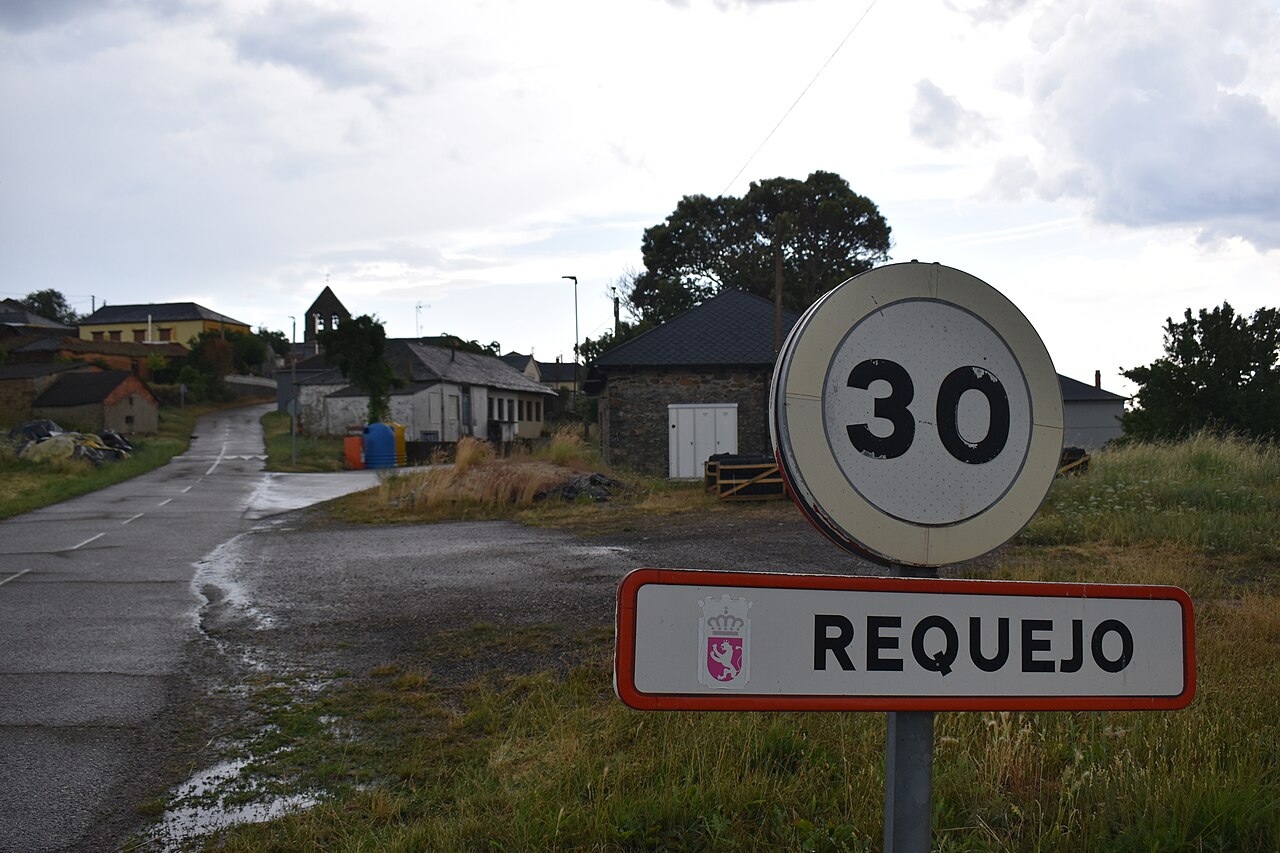
The government is now seeking to encourage immigrants to reside in areas nicknamed the “emptied Spain”, where the younger generations have departed and the older ones are dying.
The plan is implemented as Spain gets ready to launch an extraordinary regularisation campaign that will award 500,000 unauthorised migrants the ability to live and work in the nation.
Spain’s current population of 49 million is expected to increase to 53 million by 2076 despite declining birth rates and an ageing population. According to Spain’s National Institute of Statistics, the growth will be solely attributable to overseas migration.
However, the number of foreign-born people tends to stay in large cities like Barcelona and Madrid.
According to Javier Otero of the non-governmental organization Rescate, “there is a paradox: thousands of job openings exist in rural Spain, and thousands of people are interested in settling and working in these areas, but they cannot do so due to a lack of housing.”
Then there is the employment hurdle, which Spain believes its vast regularisation effort can help overcome.
The presence of immigrants helps maintain the native population in isolated communities in what may turn out to be a positive cycle. “In isolated areas far from major urban centers, civil society is aware that the survival of schools, health centers, pharmacies, gas stations and so on depends on new people settling in these areas,” Otero added to InfoMigrants.
According to Otero, institutional support for initiatives aimed at reducing rural depopulation is still “in its infancy stage in Spain (…) which has only been taking measures against this sociological phenomenon for a decade.”