
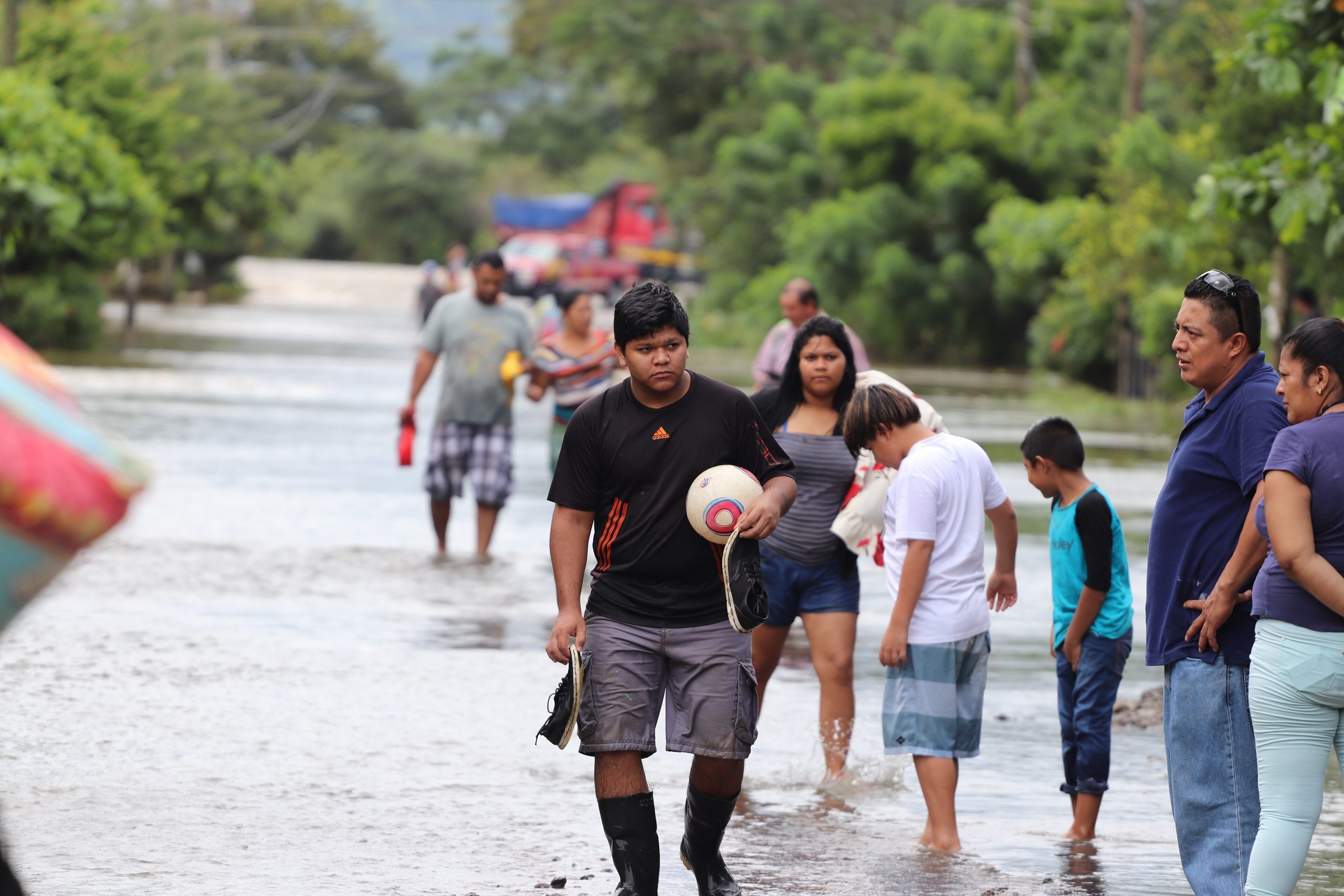
Costa Rica, sitting along a major migration route in Central America, is both a transit and destination country, having amassed the reputation of a more stable democracy than many of its neighbors.
However, as extreme weather events worsen with climate change, Costa Rica’s struggles could become existential amid hurricanes, landslides, and even avalanches.
As a Destination Country
Costa Rica has long been seen as a democratic “oasis”: in 2023, it ranked as very highly developed on the Human Development Index with a value of 0.833, while producing an annual Gross Domestic Product (GDP) growth of 4.32% and a per capita Gross National Income (GNI) of $28,840 in 2024, according to the World Bank.
Laws for migrants are increasingly welcoming: in 2024, an executive decree removed the deadline for claiming asylum and increased protections for those awaiting the recognition of their status. Asylum seekers can receive identity documents and work permits, and foreign nationals can apply for temporary residence before coming to the country.
Overall asylum applications were around 28,000 in 2024, according to the Organization for Economic Co-operation and Development (OECD), 23,000 of which were Nicaraguans, with smaller numbers from Cuba (1,700) and Venezuela (1,300).
Most immigrants have continuously come from Nicaragua, with the United Nations Refugee Agency, the UNHCR, estimating in late 2024 that they accounted for 7% of Costa Rica’s population. Most fled the Ortega regime’s repressions and economic hardship.
The OECD estimates emigration numbers to be much lower, 4,100 in 2023. Most (63%) went to the United States.
The Climate Problem
Costa Rica’s complex geography accounts for its variety in natural disasters. In the north, the mountainous region suffers from avalanches. Lowland regions enjoy a tropical and subtropical climate but struggle with alternating floods and water shortages.
The El Niño phenomenon, affecting the whole of the equatorial Pacific, reaches the country in December. The Pacific coast suffers from droughts, while the cold air coming from North America collides with trade winds, resulting in floods in the Central Caribbean slope during the rainy season from June to December; the rest of the year is characterized by droughts as well.
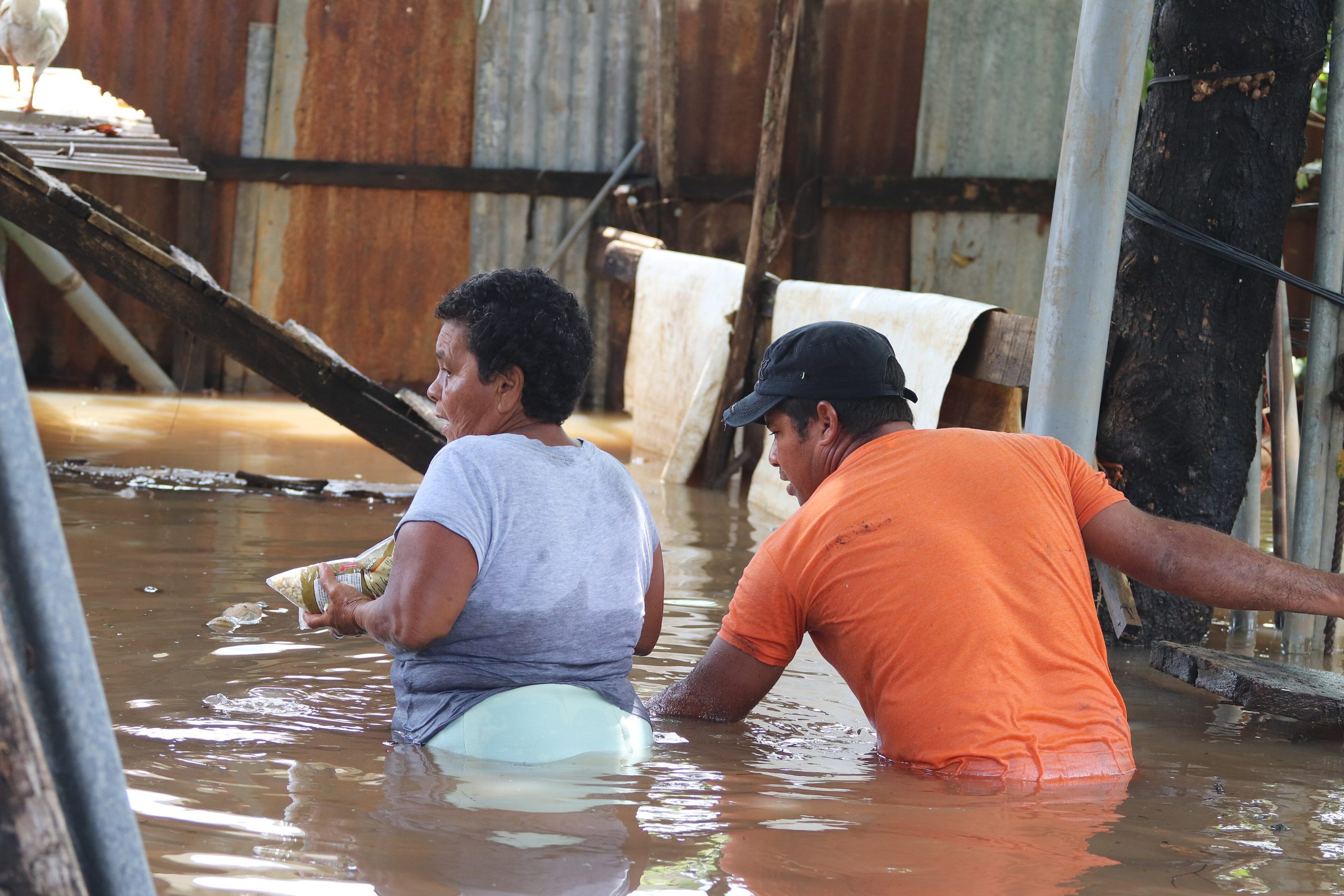
Costa Rica is also vulnerable to tropical and subtropical cyclones. Hurricanes hit the country hard and frequently: Hurricane Otto hit in 2016, leading to the evacuation of 5,500 people and causing economic damages estimated at least US$185 million.
Tropical Storm Nate cost the country 1% of its GDP in damages in 2017. Hurricanes Eta and Iota did not make direct landfall in 2020 but have caused hundreds of millions of dollars in damages, with extreme flooding and landslides following right after.
In 2024, Hurricane Rafael landed in the region once again. In the aftermath, flooding displaced 800 people, destroying infrastructure. A child died during one of the many landslides that followed.
Communities Suffer
It is not just major climate events that cause struggles for the locals: for those living in the La Carpio area of Costa Rica’s capital, San José, each time it rains, there is a risk of flooding from the unstable banks of the Río Torres on one side and a potential landslide on the other from the steep hillside.
The National Commission for Risk Prevention and Emergency Care’s report from last year listed the area to be uninhabitable and called for governmental support for relocating the families living here. That support, however, never arrived. According to The Guardian, such reports date back to 2007 with minimal action following.
The area is now overcrowded: most locals are Nicaraguan immigrants looking to get by. Emilio Peña Delgado’s home was just one of the affected, but he began a social media campaign with other locals to raise awareness.
The Costa Rican Humanitarian Foundation has worked in the area for two decades. Its founder and director, Gail Nystrom, has joined Delgado’s cause to raise money to relocate 10 families to the neighbouring province of Alajuela, where they can buy affordable and sustainable shipping-container homes.
“If we can get them to safer, more stable ground, even just a few families at a time, it will make a difference,” she added.
Climate Problem is Pressing – But Other Issues Dominate Politics
Last week, right-wing populist Laura Fernández won the presidential election with a campaign promising to crack down on criminal gangs that have shifted from using the state for transit and are now setting up logistical hubs here.
Mostly Columbian and Mexican cartels are now in turf wars across the state, causing the murder rate to jump by 50% in the last six months. This tendency already endangered Nicaraguans fleeing the regime with assassinations of critics occurring in Costa Rica without a word from then-President Rodrigo Chaves.
Other issues fly under the radar. Climate change policies have been implemented, but it hasn’t been enough. In 2023, the European Investment Bank’s climate survey showed that 9 out of 10 Costa Ricans wanted stricter policies. Yet those affected in La Carpio can only hope that change will come sooner rather than later.
“The conditions they are living in are inhumane,” Vanessa Vaglio, a Costa Rican who works on cleanup efforts for the river, told The Guardian. “While independent organisations have stepped up to help, the municipality of San José has not done enough to address the problem.”
Rainy seasons continue, and locals hold out, hoping the situation will improve.
“I left Nicaragua looking for a better life, and I know there is still a lot to do,” Delgado says. “It’s a long road, but we have to take it step by step.”
