
“The United States of America has successfully carried out a large-scale strike against Venezuela and its leader, President Nicolás Maduro, who has been, along with his wife, captured and flown out of the Country,” wrote US President Donald Trump on Truth Social on January 3rd.
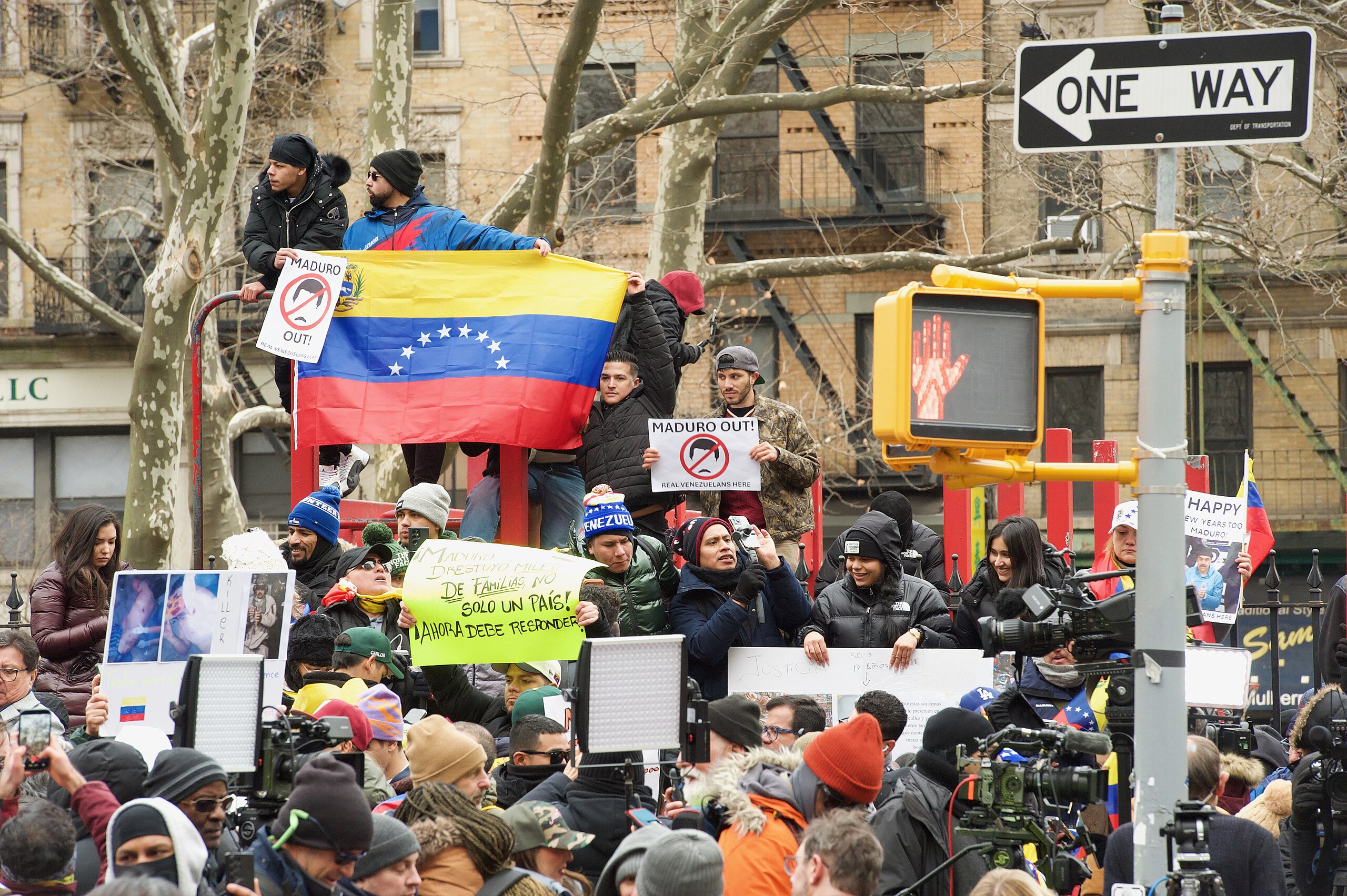
While the news outraged many for the US administration’s disregard for international law, others hailed the end of a regime that has prompted millions to seek refuge abroad.
There are similar sentiments among the Venezuelan diaspora across the globe: about 7.7 million Venezuelans (about 20% of the total population) have left since 2014, making the Venezuelan exodus one of the largest displacement crises in the world, according to the UNHCR, the UN Refugee Agency.
Cautious Celebration
Most refugees fled gang violence, rising crime rates, shortages of essentials, and poverty. Most have been unable to return home due to being in danger under Maduro’s authority, but most have family back home.
Milagros Ortega, for example, told Reuters she hopes to go home.
“Knowing that my dad was alive to see the fall of Nicolas Maduro is very emotional. I would like to see his face,” she said.
“For those of us living in exile, it is an immense joy,” said Cynthia Diaz at a small march in Quito, Ecuador. “Venezuelans, sooner rather than later, will return to Venezuela – to a free Venezuela, to a Venezuela that is a land of greatness,” Diaz said.
While joy is a general feeling for the expats, many of them worry as well, especially those in the US.
Alejandro Marcano Santelli fled Venezuela in 2009, gaining asylum in the US. Since then, he and his family have obtained citizenship and now live in Miami; but his brother, whom he hasn’t seen in over 15 years, remains in Venezuela. Their mother lost her memory and died since Santelli left.
Though he is safe in the US, others arrived later and only have Temporary Protected Status or refugee status, both of which are strangled by the Trump administration’s restrictions.
Adelys Ferro, a founder of the Venezuelan-American Caucus, a group representing Venezuelan interests in the US, said that while meany celebrated, just as many remained home, hiding from immigration raids. “We are victims of the Nicolás Maduro regime, but we are also victims of the Trump administration policies,” she said to the New York Times.
Worries from Neighbours
Though, as of June 2025, there were approximately 1.1 million Venezuelans in the US, the largest diaspora is in neighboring Colombia with 2.8 million, according to the R4V platform, an organization set up by the UN Migration Agency.
Colombia was one of the many South American countries that condemned the US strikes on military targets as well as the capture of Maduro and announced plans to build a wall along its 2,219-kilometre (1,378-mile) eastern land border with Venezuela.
The already tenuous political climate in Colombia could blow up due to the fallout of the US intervention. The National Liberation Army (ELN) remains the largest rebel group in Colombia and is in control of the border with Venezuela; analysts worry that ELN could be plotting retaliation against Western forces. The group operates cocaine trafficking and is present on both sides of the border.
There is also the possibility of a renewed migration wave beginning. The last major humanitarian operation began when opposition leader Juan Guadió attempted to overthrow Maduro. That required major international cooperation, which is unlikely with Colombia losing about 70% of all humanitarian funds due to Trump ending USAID programs.
“Colombia must prepare proactively by activating protection mechanisms, humanitarian corridors, and asylum systems, not only to respond to potential arrivals, but to prevent chaos and human rights violations at the border,” Juan Carlos Viloria, a leader of the Venezuelan diaspora in Colombia, told Al Jazeera.
US To Run Venezuela in Interim?
After Maduro’s deposition, Venezuela faces a tense transition. The US is currently backing Venezuelan Vice President Delcy Rodríguez as the interim leader, who, President Trump said, is doing “what we want.” He warned her that “If she doesn’t do what’s right, she is going to pay a very big price, probably bigger than Maduro.”
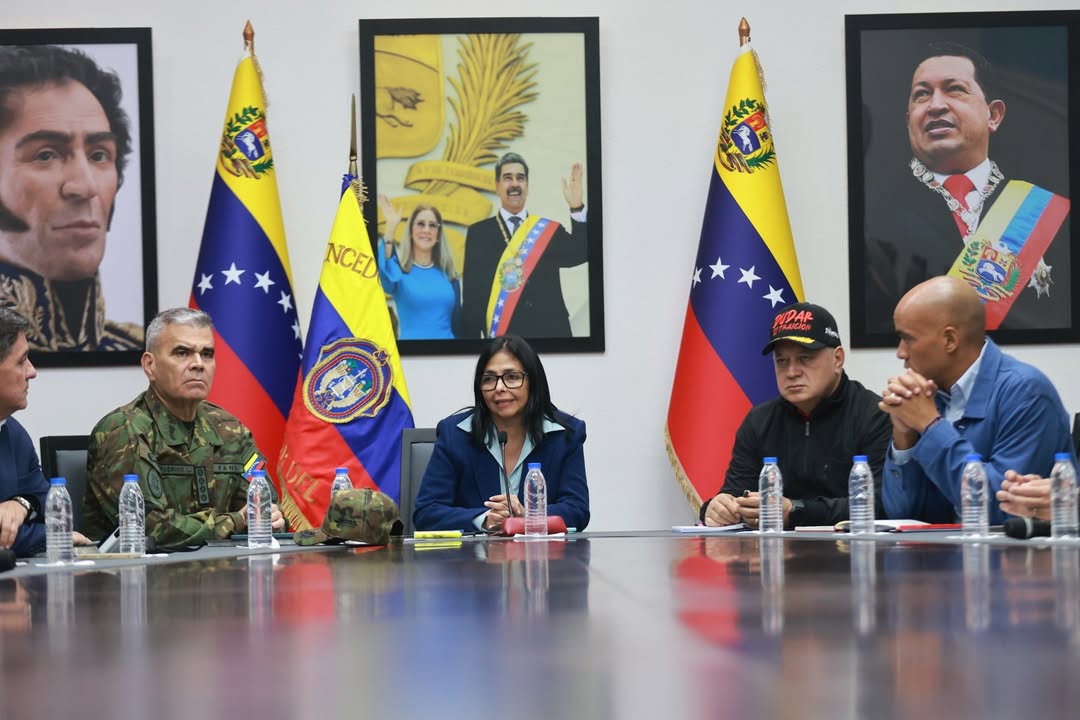
“We’re going to control what happens next because of this brave decision. President Trump has shown American leadership, and he’ll be able to dictate where we go next,” War Secretary Pete Hegseth added.
Though there are no explicit plans for a US takeover, senior administration figures have hinted that the US will have to bring Venezuela back into the civilized world to “be a good neighbor that contributes to stability, order and prosperity.”
With Trump’s disregard for humanitarian issues and restrictive migration policies, however, it is unlikely that a US-backed Venezuelan government will be fully equipped for the potential return of its people.
