
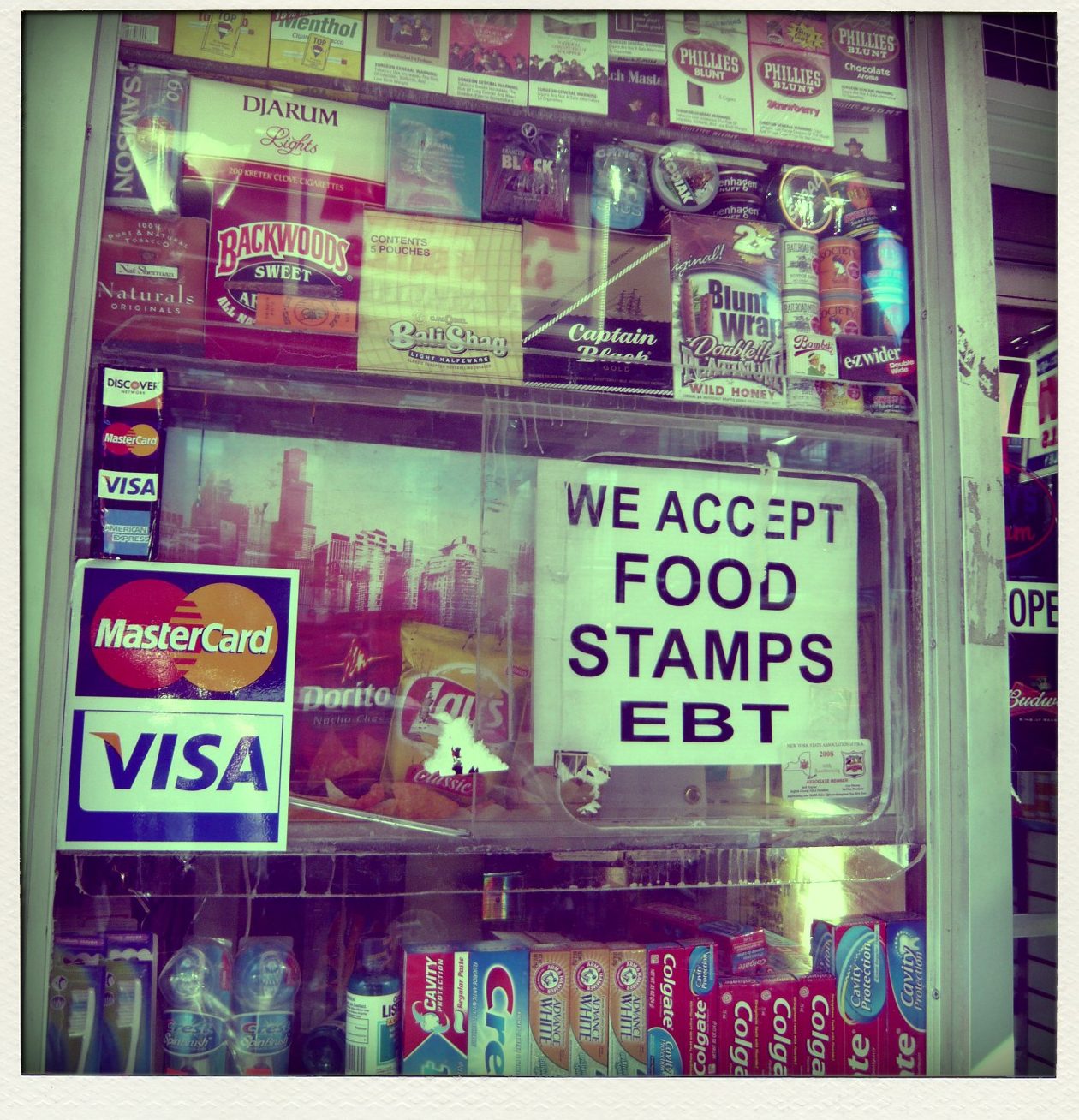
The new budget law signed by the Trump administration includes major cuts to the Supplemental Nutrition Assistance Program (SNAP, formerly “food stamps”), including removing eligibility for many refugees, asylum seekers, and certain other legal immigrants.
The Congressional Budget Office (CBO) estimates that the rule modifications for non-citizen residents will result in approximately 90,000 individuals losing SNAP benefits on a monthly basis.
Local non-profits and community organizations have expressed concern that these reductions may have severe repercussions, including heightened food insecurity, inadequate nutrition (particularly for individuals with health conditions such as diabetes), and an increased burden on food banks and charities that are attempting to replace federal support.
Starting in October 2026, the law also eliminates the eligibility of numerous refugees for the Medicaid health insurance program. Despite the fact that refugees and asylees frequently arrive with limited or no resources and depend on initial assistance, they also “give back”.
A report discovered that the refugee community contributed approximately US$123.8 billion more in taxes than they received in benefits between 2005 and 2019.
According to a February 2024 report from the US Department of Health and Human Services, the total expenditure on refugees and asylum seekers from 2005 to 2019 was $457.2 billion, which encompassed sustenance, health care, education, and other expenses. In comparison to 15% of all U.S. residents, 21% of refugees and asylum seekers received SNAP benefits during that period.
Trump to pay 50% of food stamp benefits this month, but says no more money after thathttps://t.co/LyULLsPaPP pic.twitter.com/SFMBHmtkZ9
— The Washington Times (@WashTimes) November 4, 2025
The Office of Refugee Resettlement, a division of HHS, has reduced the duration of financial assistance provided to individuals upon their arrival in the United States from one year to four months, in addition to the SNAP adjustments outlined in the budget law.
Federal Budget Cuts And Policy Changes Effecting NGOs
This shutdown follows a series of federal budget cuts and policy changes that have already weakened nonprofit funding streams over the past few years. The Trump administration has canceled or suspended approximately $425 billion in federal funds across various sectors, including health care, education, and the arts, since assuming office in 2025.
According to a report by the John Hopkins Center for Civil Society Studies, these unprecedented funding restrictions have resulted in chaos at the state and local level, causing budgetary gaps for nonprofits and agencies that account for over half of the estimated payroll of the entire sector. The White House characterized numerous cuts and rescissions as attempts to recoup funding from programs that it considered ideologically biased. The closure is now exacerbating the effects of the previous reductions, which are affecting nonprofit organizations that were still in the process of recovering from the pandemic-era shifts and fiscal tightening. Charitable giving has declined since the COVID-19 peaks.
