
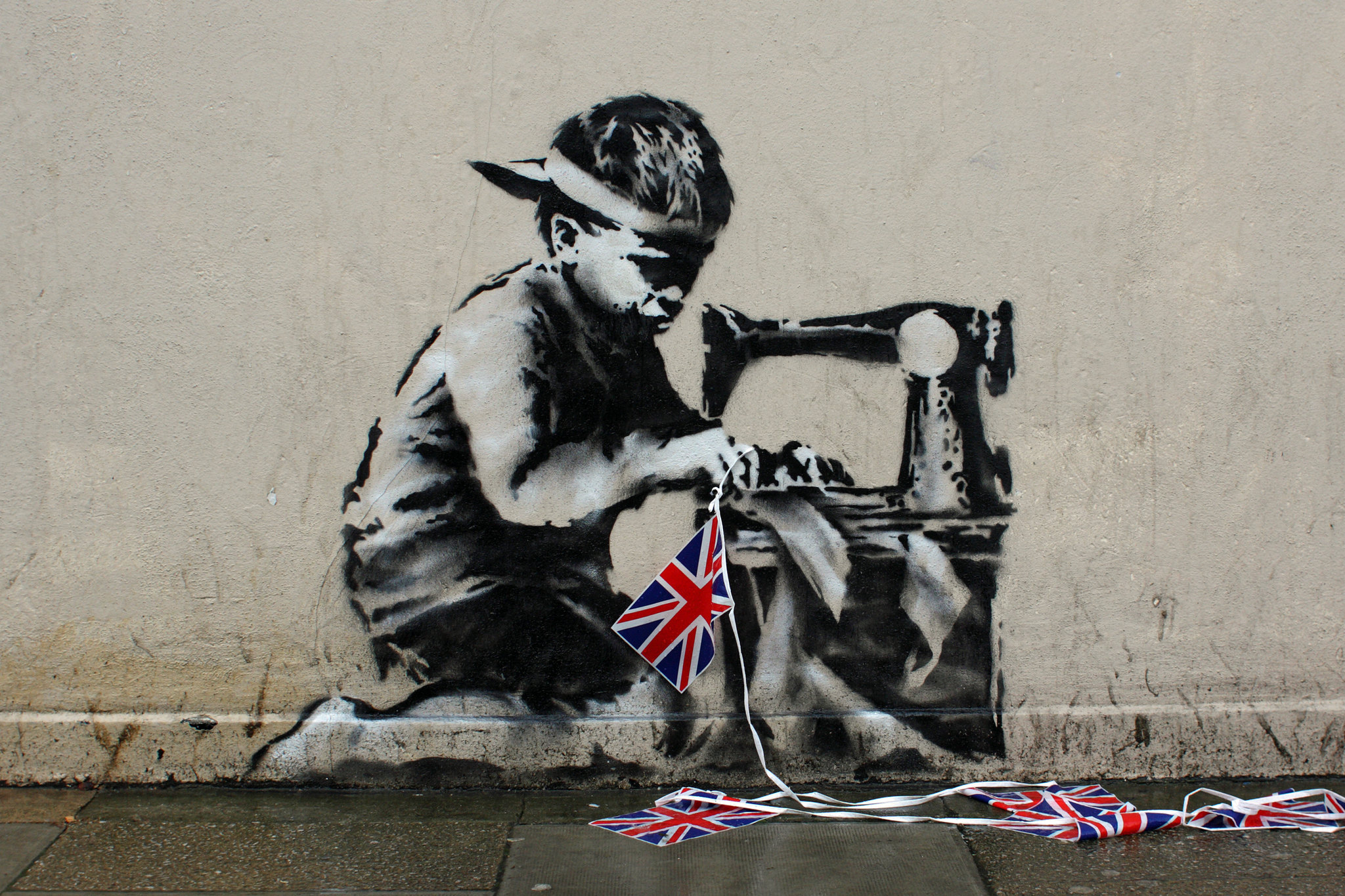
Four men were locked into a car, which was then set on fire in Amendolara, Italy, allegedly for protesting their working conditions. The incident sheds light on the horrible abuse many migrants face at the hands of traffickers’ slave-like working conditions in destination countries.
Forced labour and exploitation are a major illicit business across Europe. Many times, criminals traffic individuals from Eastern Europe and Asia with promises of work, pay, and accommodation, enforce terrible working conditions, and keep their workers in abusive situations by taking their documents. Several countries have struggled for years, with limited results in countering these businesses.
Italy: Farm Workers Exploited Without Pay
According to analyst company Moody’s, Italy produced the highest number of modern slavery events, around 32,000 incidents, between 2018 and 2023. The UK (24,000). France (18,000) and Spain (13,000) were also ranking high for this period. Moody’s has not released a similar report since; continued reporting and investigation efforts suggest exploitation remains a persistent issue.
Across Italy, migrant workers are an instrumental workforce for farmers. The CGIL, Italy’s largest trade union, estimated in 2024 that close to 230,000 do not have formal employment contracts – that made more than a quarter of workers.
The Mafia is frequently thought to be behind workers’ exploitation, with activists, unions, and prosecutors describing a system of abuse where illegal recruiters, known as Caporali, control jobs, housing, and wages for migrant workers. They instill fear in their workers to keep them in line, which is what the Public Prosecutor’s Office in Calabria, leading the investigation, thinks happened to Amin, Ullah, Safi, and Waseem, who worked on a strawberry field in Basilicata and protested their working conditions. They were locked and burned to death in a car at a gas station near Amendolara.
Many are lured in from countries such as Bangladesh and India with promises of housing and jobs only to end up in abusive, slave-like conditions. Italians are hasty to rent homes to black people, according to one of the workers, while police officers only renew their IDs for a few months, making finding permanent accommodation difficult. According to Deutsche Welle, at least 200,000 people work under such discriminatory conditions.
This is what happened to Amin, Ullah, Safi, and Waseem, who worked on a strawberry field in Basilicata. The Public Prosecutor’s Office in Calabria leading the investigation into their deaths is convinced the Mafia was involved.
UK: Most Hand Car Washes Employ Illegally
In November of 2025, Hewa Magari, a 45-year-old business owner from Mitcham, was jailed for 8.5 years after he was found guilty of trafficking eight Romanian nationals into the UK between November and December of 2020. The Romanian individuals were then confined to a small on-site room, forcing them to work in his car wash. Magari lured in the Romanian nationals, including a 15-year-old boy, with promises of fair work and accommodation. During COVID lockdowns, they were confined to a shed, denied access to travel documents, and subjected to physical and psychological abuse until the 15-year-old captive was able to contact the police.
Car washes have always been suspicious for the authorities: in 2018, Parliament recommended hand car washes to require licenses to operate after their evidence showed a clear link between cheap hand car washes and labour exploitation, with a cited study showing that out of 450 people trafficked to the UK, 40 were working in car washes.
In 2024, licenses were still not required, but the Gangmasters and Labour Abuse Authority (GLAA) as well as the Office of the Director of Labour Market Enforcement (ODLME) prioritized the issue.
The issue reemerged after Nottingham Trent University and a modern slavery charity, The Clewer Initiative, revealed that “the correlation between the location of a hand car wash and the presence of slavery is not strong enough to eliminate any specific business, and the risk is everywhere.” They also found that more than 90% of hand car washes likely employed their workers illegally.
The Safe Car Wash App was created in 2018 to allow users to report if they believe a hand car wash they pass by is involved in slavery. It asks a series of questions to assess the situation; if it finds there is a high likelihood of slavery, it invites users to report to the Modern Slavery Helpline by just pressing a button. All data is available to police officers and data analysts.
It had been downloaded over 40,000 times by the time of its 2024 publishing. “The data from the app has enabled law enforcement agencies to follow-up on numerous businesses that may be exploiting their workers,” according to the study.
Hand car washes still do not require licenses. The government created the Fair Work Agency in late 2025 to “target sectors with multiple regulatory breaches, starting with hand car washes” and takes legal action against serious labour exploitation and abuse.
France: Undocumented Worker Mistreatment Across Sectors
Traffickers in France allegedly operate across various sectors, yet very few cases come to light or reach the courtroom. The biggest case in recent memory was the Champagne harvest trafficking case, which remains one of the most significant labour trafficking prosecutions in the country.
Three people were sentenced to prison for human trafficking in 2025 after it was revealed that in 2023 they kept immigrant workers from West Africa in an abandoned house with no water or electricity, makeshift beds, and six toilets for 60 residents.
Many were worked “from dawn till dusk, under threat, with meager or spoiled meals” for weeks on grape fields, harvesting. The prefecture closed the building due to its “repugnant state” and dangerous electrical installations.
The case shook the Champagne industry, since it was in the same season that four other workers died in the heat. The Comité Champagne, representing 16,200 winegrowers, 130 cooperatives, and 370 Champagne houses, advocated a “zero tolerance policy towards this type of behavior” as a civil party involved in the proceedings.
The issue continued into 2024, after the Guardian’s investigation revealed that many workers, from French-speaking African countries, remained unpaid, forced to sleep on the streets and steal to get food.
In 2026, thirteen hairdressers and barbers began occupying their hair salons in March to demand their unpaid wages and denounce their working conditions. Nine of them had no residence permits, but all of them reported blackmail and threats in their workplaces.
“We’re asking to be paid for our work,” one hairdresser, Bintu Porogo, originally from Ivory Coast, told Le Monde. “That means receiving the wages that the boss hasn’t paid us for six months.” According to Irene Agharese, a hairdresser originally from Nigeria, they worked “days that started at 8 a.m. and could end at 11 p.m., six days a week.”
Marius Atherton of the CGT Paris’s Migrant Workers Collective told Le Monde that the struggle was of paramount importance, as there is a “systemic nature of the employer’s exploitation of employees, who took advantage of their undocumented status and isolation.”
In 2024 a Paris court heard the case of the Olympic Village’s construction, when 21 individuals and three companies were charged for undeclared labour of undocumented migrants from Mali. In March 2022, state authorities carried out an inspection of the Olympic Village construction site in Saint-Denis, north of Paris, at the request of the CGT trade union, who were contacted by 12 Malian and one Ivorian undocumented workers. They worked not only in the Olympic Village but also at several other construction sites for several companies, but all led back to the same boss.
When inspecting the Olympic site, they identified 10 workers, mostly from Mali and Turkey, six of whom had no work permit and four no residency paper. Four undocumented Malian workers were told to hide in a basement until the inspectors left; they contacted authorities later.
The practice of claiming undeclared workers are “temporary” during public construction subcontracts carried across several companies, with French social security contributions agency URSSAF estimating a total loss of €5.7 million in unpaid social contributions across all companies between 2018 and 2022. The trial has not yet been reported to have reached a verdict.
Action is Needed Across the Continent
Across Europe, we can observe the exploitation and even abuse of foreign workers, regardless of changes in work or country. Instilling fear in these workers makes them hesitant to turn to authorities despite all they endure. Western countries tend to have robust legislation against such abuse, but many times this is insufficient. More inspections, transparency in subcontracting, and a network that makes these foreigners feel they can ask for help in turn could enable authorities to dismantle these criminal organizations before they reach their next victims.
