
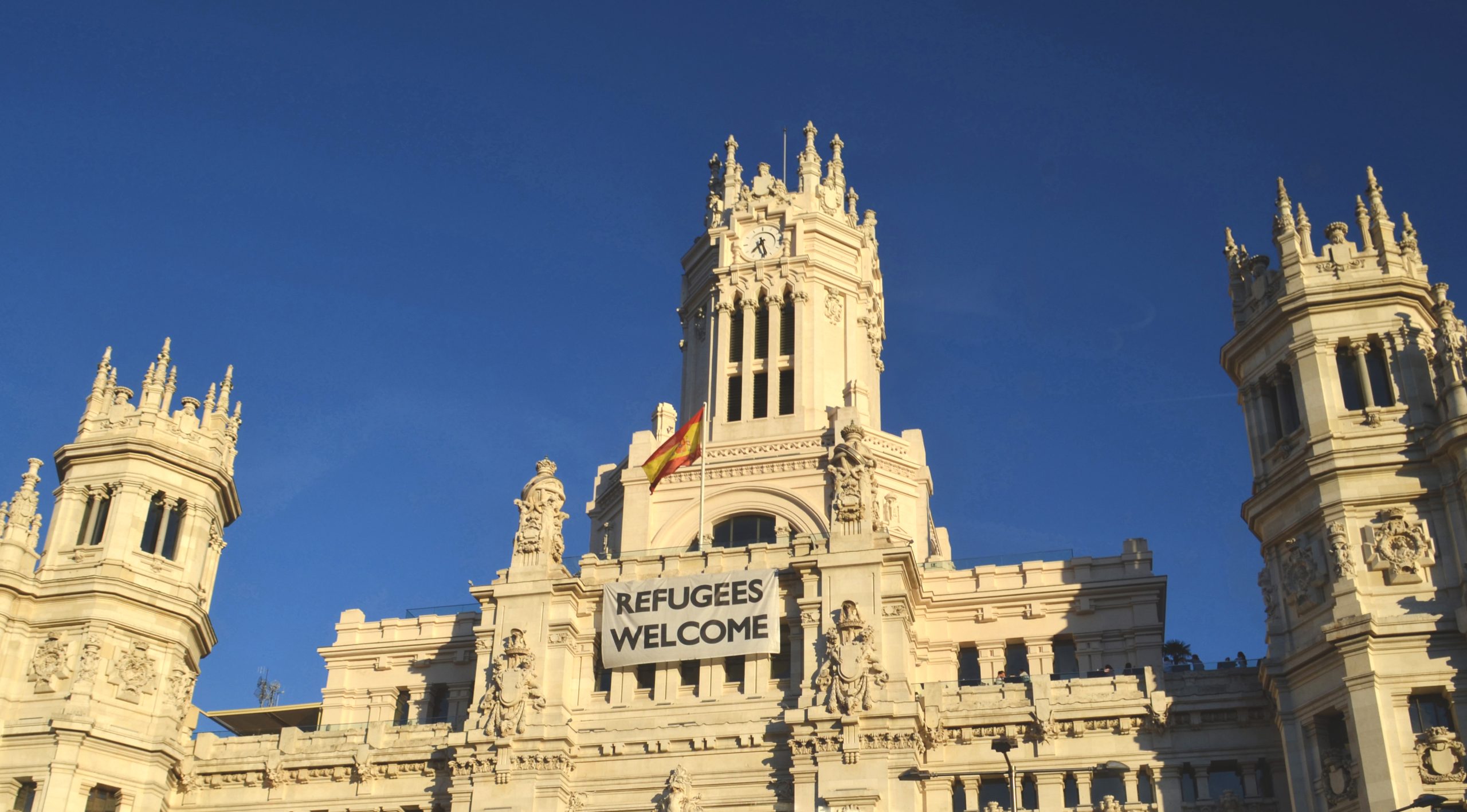
Spain has set out to change its asylum and refugee policies, with a draft bill expected to contain policy consequences of the Ceuta Crisis, where an estimated 80,000 people crossed into Spain illegally within a day in July.
Euronews reports the aim is to “bring Spanish legislation into line with the European Pact on Migration and Asylum,” which is focused on streamlining asylum processes and accelerating expulsions, in line with hardline member countries’ demands. Despite Spain’s continuous arguments for a more humane and comprehensive approach, new measures will present a new attitude, though anonymous sources swear that new laws will continue to guarantee fundamental rights.
The Ceuta Problem
The new bill is not only a major change in the direction of general policy but is also the Spanish implementation of the European Pact on Migration and Asylum, which came into force on 12 June, including the “screening” procedure that will affect the Canary Islands as well.
The Spanish government has also branded the Ceuta Crisis a matter of interest to national security.
However, this response arrives a month after the incident and weeks of criticism from the conservative opposition, the People’s Party (PP) and Juan Vivas, president of Ceuta calling on the government to control the situation.
Spanish Prime Minister Pedro Sánchez last visited the enclave on July 31, which was also the last time he publicly addressed government response, declaring that the country’s territorial integrity “had been breached.” He avoided placing direct blame on Morocco for the influx.
Most recently, the government has allocated a €165 million sum to aid Ceuta’s recovery, which is to be added to a medium-term plan worth €180 million, according to local media. There are also plans to allocate a further €25 million to strengthen education, healthcare, and the justice system in Ceuta – areas around which recent weeks’ demonstrations centered.
Geopolitical Ricochet
While Spain amps up stricter migration policies, its government will opt for a careful approach when it comes to the geopolitical aspect of it.
Though many have placed blame on Morocco’s lack of border control and possible revenge for territorial disputes, official communication on such opinions from the Spanish government and its officials are scarce.
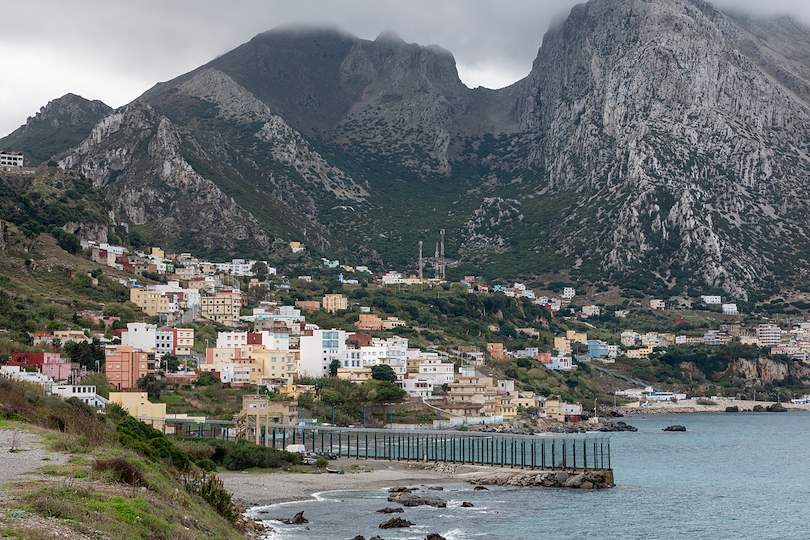
Moroccan Justice Minister Abdellatif Ouahbi recently proposed a mechanism to address the future of the enclaves of Ceuta and Melilla while reaffirming Morocco’s “historical and geographical” rights to the territories and that their annexation by Morocco remained “on the table” with his Spanish contacts. Euronews sources at the Spanish Foreign Ministry rejected any such dialogue, reiterating that both territories are Spanish, despite Morocco’s continued interest since its 1956 independence.
Morocco was also critical of Spain’s previous migratory policy, for accepting and “regularising” migrants that Rabat was trying to prevent from leaving.
Remaining Migrants Exposed
Those few thousands who remain in Ceuta find themselves among difficult circumstances.
“Thousands of people have been in the streets in a legal vacuum, exposed to sexual violence and without adequate shelter, food, or sanitation for almost three weeks,” said Judith Sunderland, senior associate director for refugee and migrant rights at Human Rights Watch.
An extraordinary meeting of the Public Health Commission was called on August 24 to coordinate vaccination efforts in the enclave as cases of tuberculosis, gastroenteritis, scabies and impetigo were detected. 5,801 medical attendances were recorded by the National Institute of Health Management (Ingesa) between July 31 and August 14, along with 2,500 additional consultations carried out by the Red Cross at Trampolín beach.
“Spanish authorities should not let populist calls for mass summary deportations prevent them from acting in accordance with their obligations under international law,” Sunderland said. “Nor should Spanish authorities be deterred from conducting fair, individual assessments of protection claims and treating all migrants with dignity.”
