
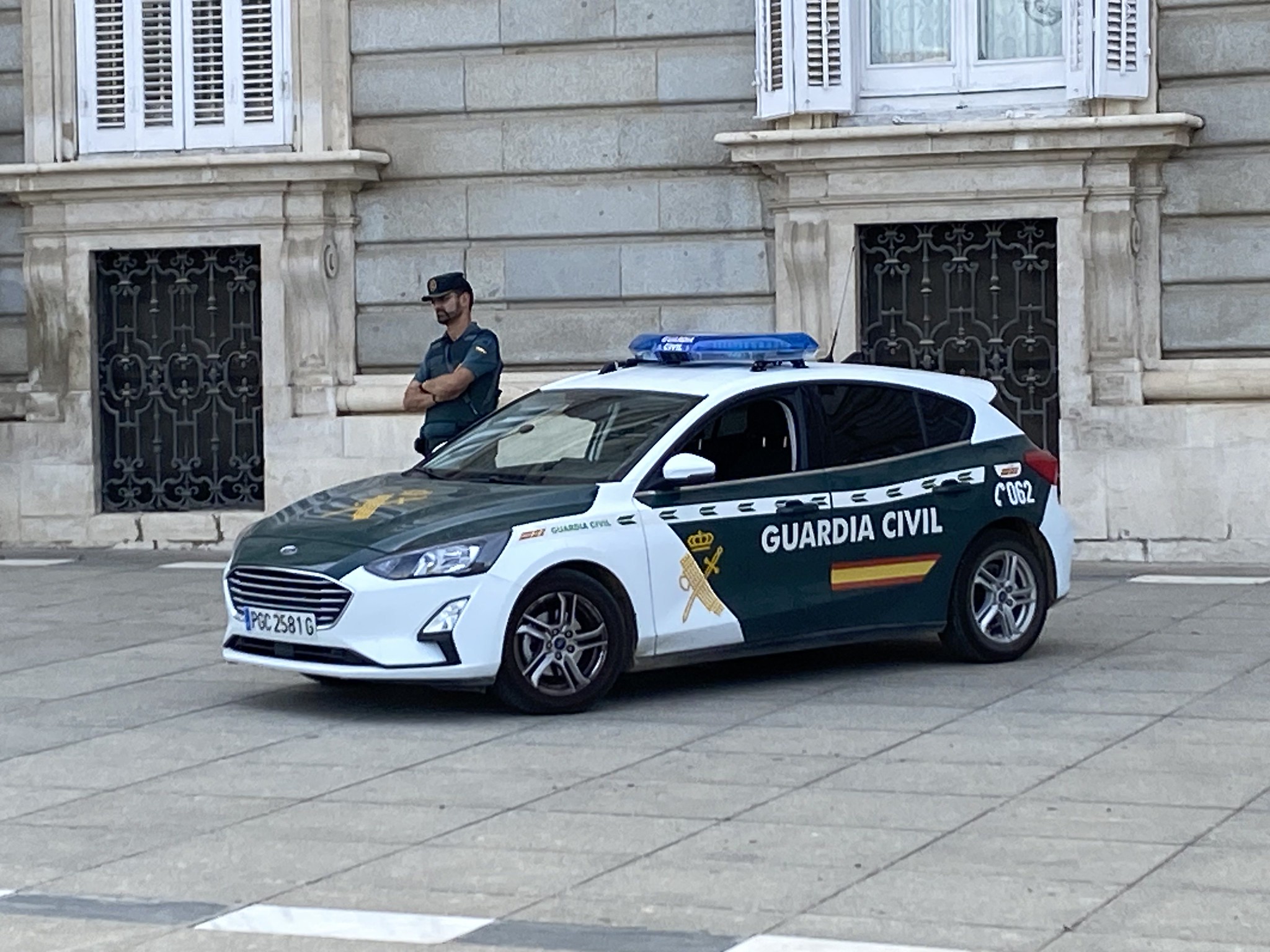
A coordinated investigation by the Spanish Guardia Civil and National Police, assisted by Europol, has resulted in nine arrests and the breakup of a criminal network smuggling irregular migrants from Algeria to Spain, Europol reported.
The operation targeted migrant smugglers responsible for planning journeys across the Mediterranean, as well as those managing the complicated logistics underlying the smuggling operations. Europol’s migrant smuggling experts offered critical operational support to the Spanish authorities leading up to and throughout the action day.
Half a Million Euros’ Worth of Assets to Fund Activities
In a series of coordinated searches spanning the cities of Almería, Roquetas de Mar, Vícar, and Adra. The Spanish authorities, with Europol’s cooperation, detained nine people and recovered a large amount of assets.
The recovered materials included EUR 43,000 in cash, 61 kg of hashish, three high-powered engines, 30 cars, two huge boats, bladed weapons and an air pistol, as well as other bogus certificates.
The network had invested over half a million euros in obtaining movable and immovable assets, which were utilized to facilitate their illicit activities.
The investigation, which extended several months, found that the criminal organisation had been working in the province of Almería, Spain, organizing the entrance of migrants from Algeria and their subsequent voyage to France and other European nations.
Earlier Europol investigations revealed that the criminal network smuggled at least 1,000 migrants; the network facilitated the illegal crossings of Syrian nationals along the route Lebanon–Egypt–Tunisia or Libya–Algeria.
Upon arrival in Algeria, the migrants were placed in temporary accommodation while awaiting the launch of the boats. The suspects then organised the transport of the migrants with fast boats from Algeria to the Spanish coast. Once in Spain, members of the Algerian criminal cell facilitated the stay of the migrants and their further illegal movement towards other EU countries.
A Well-Equipped Multinational Criminal Gang
The criminal gang, comprising Algerian, Moroccan, and Spanish nationals, was structured hierarchically with distinct units assigned specialized roles.
A supporting group handled logistics, provided cover, and secured the security of the operations.
The network was separated into branches focusing on different aspects of the migrant smuggling trip. The first branch managed the opening phase of the journey, coordinating the departure of boats from Algeria and their landing on the Spanish mainland. The second branch permitted the further movement of migrants from Spain to France and other European Union countries.
The network was well-equipped to maintain its operations and aid other criminal groups, having access to vital logistics such as fast boats, gasoline, and competent captains. To dodge detection and impede investigations, some members reported the boats used for smuggling activities as stolen, further complicating efforts by authorities to trace the illicit activities back to the culprits.
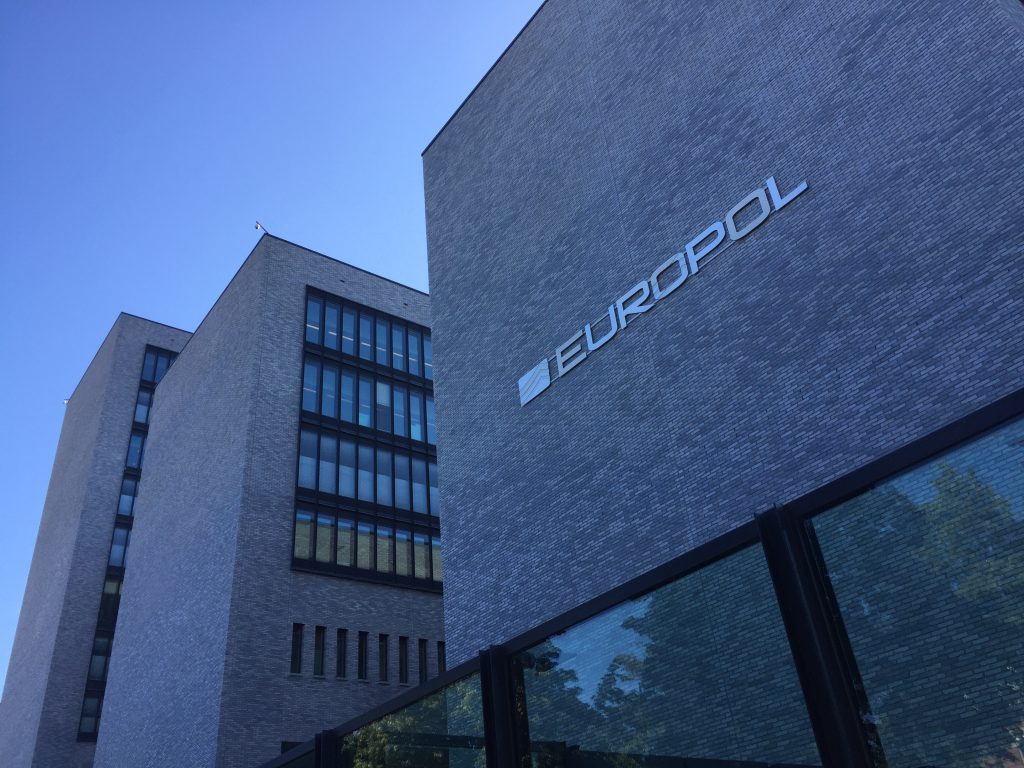
New Europol Centre Against Migrant Smuggling
Migrant smuggling is a serious criminal threat for the EU, requiring concerted action across the full criminal chain—from recruiting and transit, to the logistics or financial flows that maintain it.
A new Europol section, the European Centre Against Migrant Smuggling, began working in March 2026 to enhance coordination and information-sharing on cases of migrant smuggling.
According to their website Europol helps investigations through a data-driven strategy, improving cases offered by national agencies with operational analysis and expertise. Europol also enables information exchange and coordinates cooperative actions to dismantle criminal networks.
