
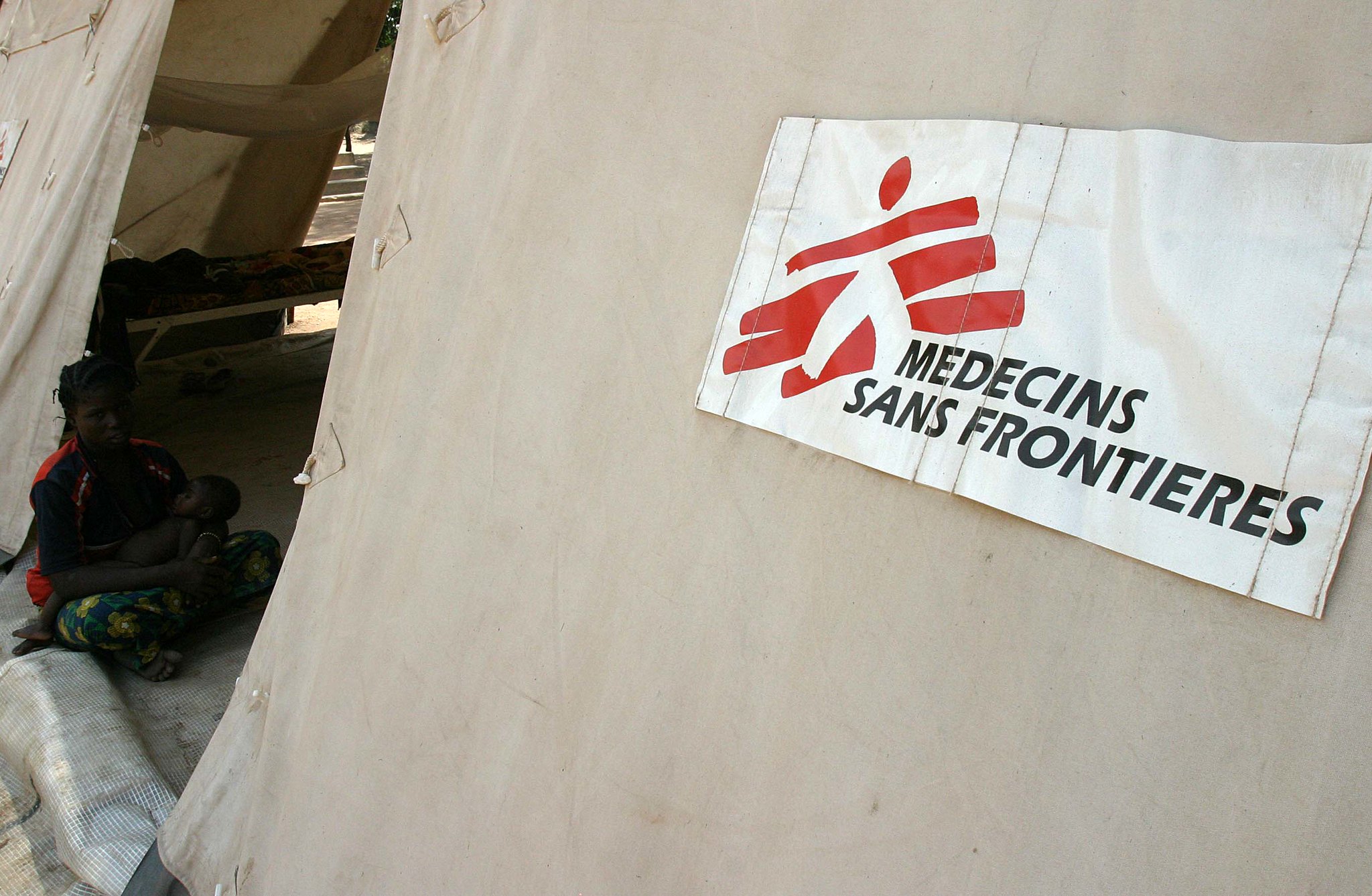
Doctors Without Borders, which goes by its French acronym MSF (Médecins Sans Frontières) has acknowledged serious misconduct allegations involving staff and contractors working with Sudanese refugees in eastern Chad.
According to the report, MSF acknowledged 59 misconduct allegations, but not all were verified, and it says 18 people were dismissed.
The 18 people who were dismissed, are the alleged perpetrators. Its own internal findings also pointed to patterns of exploitation that may amount to sexual trafficking.
Some survivors reportedly feared speaking out because they depended on aid and worried support could be cut off. Others who reported abuse said they received no reply or help. This happened while Sudan’s civil war continues to drive one of the world’s worst humanitarian crises.
“A Serious Breach of the Doctors Without Borders’ Values”
Some victims reportedly chose not to speak out about the abuse for fear that access to vital aid would be withheld in retaliation. Those who did report the abuse sometimes received no reply or support, as admitted by MSF in its own report. Official complaints procedures were also largely ineffective.
‘This misconduct represents a serious breach of MSF’s values and responsibilities, and we deeply regret the harm caused,’ MSF told reporters from the Associated Press, who first investigated the misconduct.
The case revealed not only individual abuse, but also the failure of reporting systems and the fear of retaliation. It also highlighted the power imbalance created when food, jobs or access to aid can be used to exploit displaced people.
Vulnerable Populations in Refugee Camps Repeatedly Exploited
A history of similar crises has troubled the global humanitarian sector for decades. In 2001, a landmark UN and Save the Children investigation uncovered widespread exploitation in West Africa, where workers across dozens of aid agencies forced refugees in Guinea, Liberia, and Sierra Leone to trade sex for food, soap, and medicine.
A similar systemic breakdown occurred following the 2010 Haiti earthquake, leading to a massive global scandal in 2018 when Oxfam staff were found using charity funds to exploit local women and minors.
Between 2015 and 2018, a BBC investigation in Syria revealed that local subcontractors routinely denied food parcels to vulnerable women and girls unless they provided sexual favors.
Furthermore, documented exploitation persisted in South Sudan camps between 2015 and 2022, where staff from prominent agencies like the World Food Programme and the International Organization for Migration withheld basic survival goods from families in exchange for sex.
Sudan plunged into civil war three years ago following a vicious power struggle between its army and a powerful paramilitary group, the Rapid Support Forces (RSF).
It is now widely recognised as the world’s worst humanitarian crisis – more than 11 million people have been forced from their homes, and 28 million face acute hunger.
Although there is no definitive death toll, the dead are thought to number at least 150,000 and could be as high as 400,000.