

Guinea-Bissau has become a launch pad for migrants aiming eventually to reach Europe. On 21 October, authorities liberated 71 persons of various African nationalities who were imprisoned by a suspected human smuggling and trafficking network.
The West African country has emerged as a departure point for migrants trying the risky Atlantic route to Spain’s Canary Islands in small, often fishing boats, a route of about 2,200 kilometers.
Operation “Astra”
The Guinea-Bissau Judicial Police operation (named “ASTRA”), which took place following weeks of research into the network, led to the raids of two residences in the northern part of the capital, Bissau, when the four offenders were arrested and the 71 victims liberated.
The network operated a bogus front company that used social media to recruit young West Africans. They recruited victims with false promises of high-paying jobs, legal employment contracts, and direct aid traveling to Europe, Canada, and the United States.
The network charged victims hefty upfront costs ranging between 400,000 and 700,000 CFA francs (approximately $660 to $1,150 USD) only to fly to Guinea-Bissau under the premise of commencing their journey or employment.
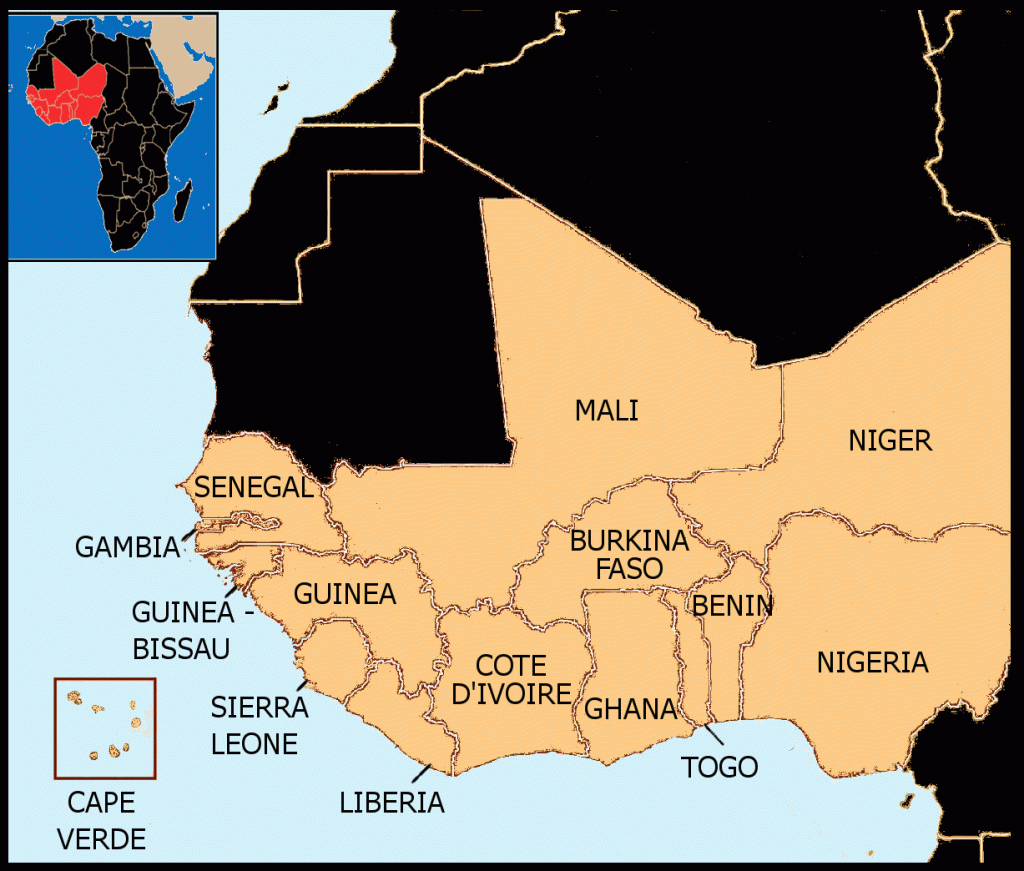
Police said those rescued included nationals of Mali, Guinea and Sierra Leone. The bigger trafficking network is also suspected to have involved people from Burkina Faso, Togo and Senegal.
Fanta Makalou, a 32-year-old mother of three from Mali in the Central Sahel, was offered job in France. The criminal network allegedly urged her to pay 1.5 million CFA francs for them to organize that travel, including an advance payment of 500,000 CFA francs before Makalou departed Mali.
How the Network Held the Migrants Captive
Once the victims arrived at the capital city of Bissau, they were taken of their freedom and detained against their will in two safehouses in the northern outskirts of the city. Instead of being flown to Europe, they were exposed to extreme psychological pressure and compelled to participate in bogus cryptocurrencies or pyramid schemes.
They were required to use social media to recruit other victims from back home to extort extra payments.
In an interview with AFP, Antonio Gomes, an officer from the country’s judicial police, said the migrants arrested had undergone physical and psychological intimidation, including threats and abuse, which stopped them from escaping.
A 23-year-old guy from Conakry, the capital of Guinea, said he also got caught up in the network’s scam, paying a smuggler 10 million Guinean francs (approximately 1,000 euros), only to be told later that he had to recruit another person. He wanted out but stated the smuggler threatened to murder him if he told anybody else.
The criminal network reportedly tried to make the operation appear official by offering phony contact information for so-called offices in Portugal, Canada and the US.
Intelligence from Interpol is also claimed to have helped detectives break up the network, which police suspect operated across multiple nations in the region, according to the international law enforcement.
Interpol and West African police agencies have changed their operations from simple border interdictions to initiating coordinated, tech-driven offensive operations. Because syndicates like the one disrupted in Guinea-Bissau increasingly operate across numerous borders—using a mix of cyber-scams, digital extortion, and safehouses—law enforcement has adjusted its strategy.
The Intersection of Human Trafficking and Drug Cartels
West Africa—particularly Guinea-Bissau, which the United Nations historically named Africa’s first “narco-state“—serves as a multi-billion dollar transit hub where South American cocaine is smuggled onward to Europe.
The overlap between this drug trade and human smuggling appears in several ways:
The exact same clandestine maritime networks, corrupt state players are used to move both illicit narcotics and desperate migrants. The remote staging grounds (like Guinea-Bissau’s Bijagós Archipelago) are perfect places to harbor migrants, and hide the narcotics.
Street gangs and bigger cartels (such as Nigeria’s Black Axe syndicate) have diversified into “Crime-as-a-Service” operations. They funnel drug profits into setting up fake online job front companies, leveraging these platforms to lure migrants into safehouses where they are extorted and forced to work cyber-scams.
If a migrant cannot afford the extortion fees to cross the Atlantic, gangs regularly push them into local drug distribution networks or prostitution rings to “work off” their debt.
Guinea-Bissau Emerges as an Important Transit Point for Migration
Thousands of young people across West Africa have tried to leave their home countries in recent years, driven by conflict, climate-related pressures, incompetent governance, an unstable economy and limited economic prospects.
Amid all this, Guinea-Bissau is emerging as part of a shifting network of irregular migration routes towards Europe, as tougher controls along the northwest African coast push people seeking to migrate farther south to attempt increasingly dangerous journeys across the Atlantic, according to the International Organization for Migration (IOM).
In a statement released on October 13, the United Nations warned that restrictions at traditional irregular migration departure points in Morocco, Mauritania and Senegal had not removed the pressures driving migration. Instead, routes have moved towards countries farther south, including Guinea-Bissau, The Gambia and Guinea.
Although arrivals from four big West African countries of origin fell by 59 percent in the first half of the year compared with the same period in the previous year, IOM reported that the fall does not necessarily mean migration pressures have eased.
Economic hardship and insecurity continue to push people to seek chances elsewhere, while increasingly restrictive border controls can in fact redirect journeys rather than stop them.
Longer Journeys at Sea, Greater Risks
People making these trips may spend lengthy periods at sea in overcrowded, unstable and unseaworthy boats, facing the risk of shipwreck, severe dehydration and disappearance.
The growth of departure points farther south along the African continent highlights the dangers facing migrants who may have limited access to safe and regular routes. Longer crossings, remote departure locations and precarious vessels can make rescue operations more difficult and increase the chance that people will die or go missing at sea.
The movement of routes across countries also complicates efforts to identify trafficking and criminal networks, protect migrants and coordinate search-and-rescue reactions.
