
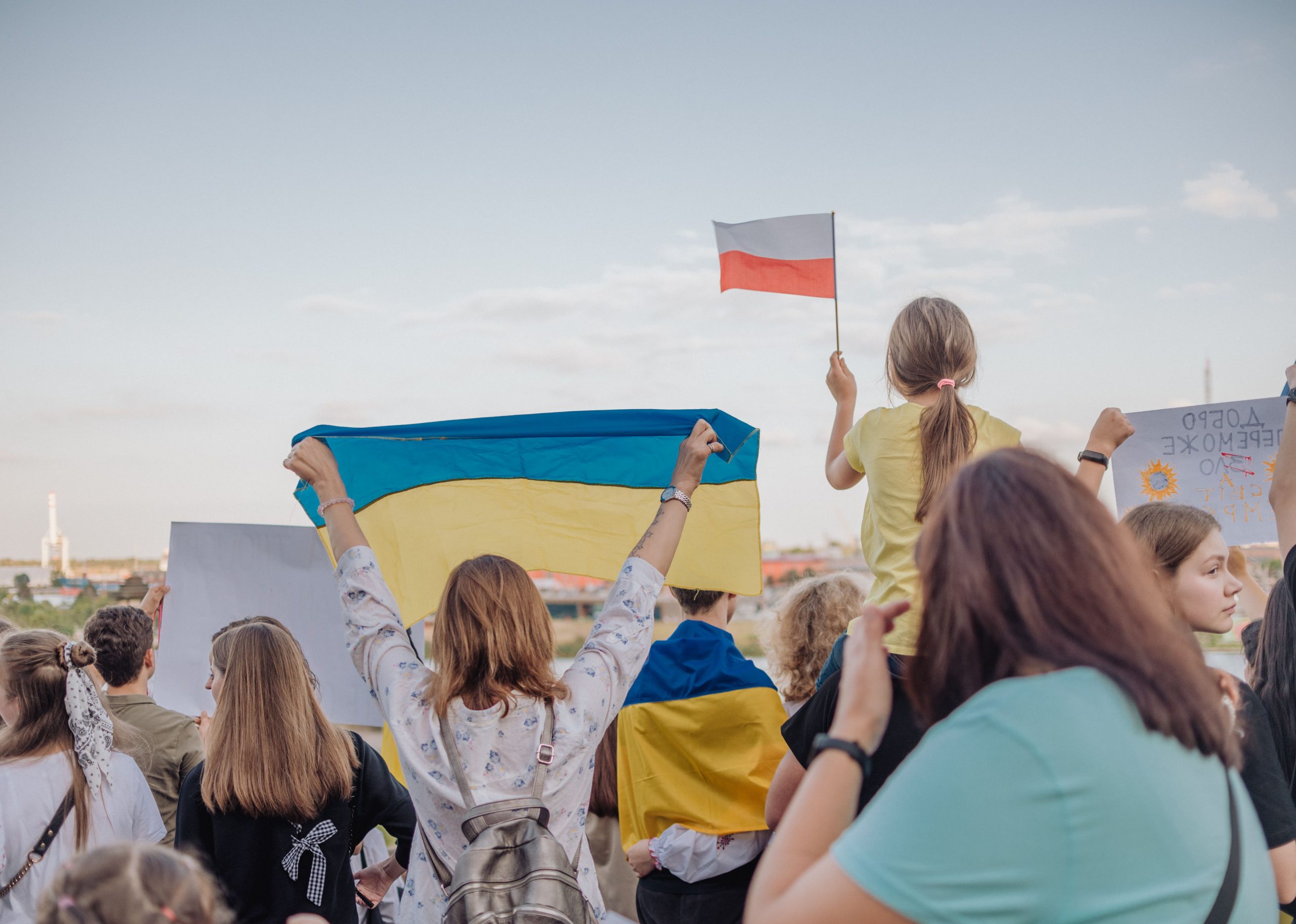
Since the war in Ukraine began in February 2022, millions of Ukrainians sought refuge in Poland. Recently, however, the number of Ukrainians living under temporary protection in the country plummeted: according to RadioFreeEurope/RadioLiberty (RFE/RL), the number of those protected has dropped by 106,538 since April 2026 in a continuous decline.
RFE/RL argues this is due to bureaucratic blocks, rather than rising hostility towards Ukrainian refugees – but government policy frequently reflects social changes.
The Data
Since records began on 14 March 2022, the government received 2 082 583 applications for UKR or temporary protection status, according to data published on September 8.
This cumulative data on UKR status applications shows a rush right after the war began, but a slowdown as time went on. It also shows that in the beginning, most applicants were women, while fighting aged men made up a relatively low percentage of total applications. This percentage of fighting age men grew, reflecting the war fatigue driving them abroad.
The data highlighted by RFE/RL corresponds with this, recording a huge drop in the number of active protected statuses in a continuous decline since April. However, Bohdan Kontsur, an immigration expert with Ukrainian House in Warsaw told RFE/RL that there are multiple tweaks to the laws that greatly contribute to this tendency.
The New Laws
By basing temporary protection on a different law, Polish authorities now require a valid passport to apply for temporary protection – previously, using national IDs and even birth certificates for children were allowed. Those utilizing this method having entered before 4 March 2026 were required to present their documentation by 31 August 2026. Those who used a passport, retain their status until 4 March 2027.
Those who arrived after 4 March 2026, experienced a different reality. They are required to apply for status within 60 days of arriving in Poland. However, they will only be able to do so if they had declared that intention at the border when they arrived – otherwise, they risk being listed as a tourist entry, which does not allow for temporary protection applications. Anna Sobieska-Tekien, a spokesperson for the Polish border guard confirmed the legal detail to RFE/RL.
While these changes contribute greatly to the falling numbers, it cannot be denied that sentiment towards Ukrainian refugees have been changing.
Polish Attitude Towards Ukrainians
When the war began, Poland was one of the loudest advocates of Ukraine for standing up against Russian aggression. In March 2022, around 94% of Poles supported Poland accepting Ukrainian refugees, according to the Polish Public Opinion Research Center (CBOS) in Warsaw. For the next year, this remained around 80% but fell when Ukraine’s cheap grain dominated Polish markets due to its uncontrolled flow.
But for the first time ever, CBOS reported that opposition to accepting refugees (56%) overtook support (42%) in July 2026.
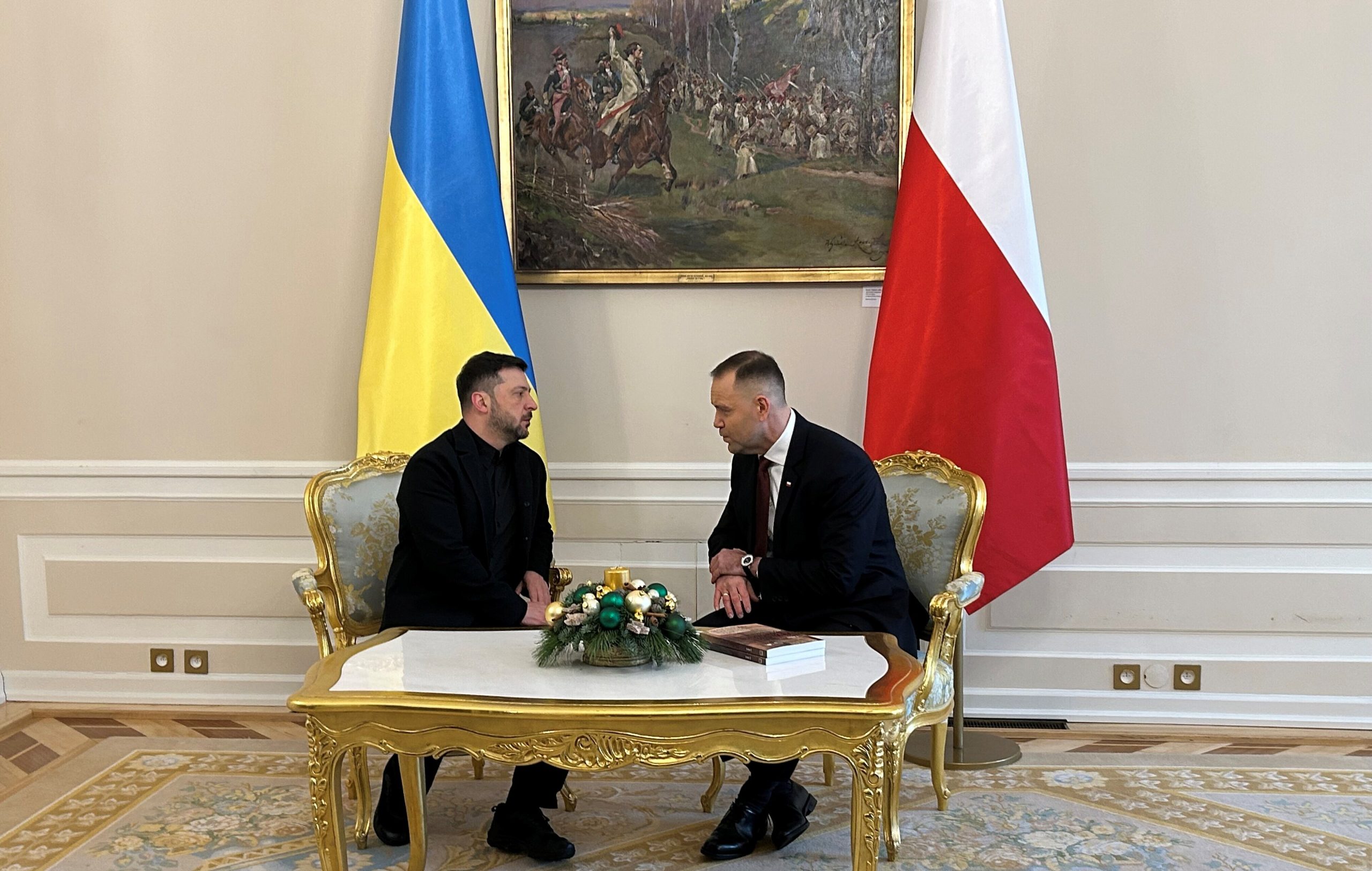
In her recent study, Olena Babakova, a researcher at Warsaw’s Vistula University, identified the 2025 Polish presidential campaign as a key point where sentiment turned against Ukrainians. Then candidate, now President Karol Nawrocki had promised prioritizing Polish citizens over Ukrainians in public services.
Later, Ukrainian President Volodymyr Zelenskyy named a military unit after a Ukrainian paramilitary organization accused of massacring Poles during World War II; in response, Nawrocki rescinded a state honor awarded to Zelensky. Before the election, the Trump ally said “Ukraine does not treat us as a partner. It behaves in an indecent and ungrateful way in many respects.”
Rising anti-Ukrainian views have caused physical attacks too: in July, a young Ukrainian couple were assaulted by three men in Wroclaw. After 20-year-old Ukrainian woman, Anastazja, and her 21-year-old partner, Maksym confronted one of the men for cutting in front of them in a queue, they reacted with insults, allegedly targeting them for Anastazja’s Ukrainian accent.
Video footage on social media shows the three men approaching Maksym, attacking with punches until he is on the ground. Anastazja was struck trying to protect her partner, suffering an injury to the ear that required medical treatment.
“After Russia started its war of aggression against Ukraine, the world was impressed by the solidarity shown by Poles towards war refugees from their neighboring country,” Prime Minister Donald Tusk said in Warsaw after the incident.
“All of this is being destroyed right now if we allow thugs, hooligans and common criminals to beat and humiliate people simply because they have a slightly different accent.”
According to data from the Polish Police, they received 180 reports of hate crimes against Ukrainian citizens in the first six months of the year. This represents a 20% increase compared to the previous year.
Uncertain Future
Poland was already home to hundreds of thousands of Ukrainians before the war. Their staunch support as well as personal networks contributed to the country becoming a major destination for those fleeing the war. Yet, support for Ukraine is now dwindling internationally as well as for those inside Poland.
The UN Refugee Agency’s data shows a steady drop in funding by international donors since 2022. Of the funding the agency identified as necessary then, 94% was received. This year, with targets far lower than in previous years, only half has been achieved as of June.
“What Poles need to understand is that we are helping the people that could otherwise become homeless in their neighborhoods, the people who might start abusing substances out of despair they can’t make ends meet,” Nastya Podorozhnya, founder of Martynka, a helpline and support group for female Ukrainian refugees escaping gender-based violence, said. “Martynka does the job of the Polish state.”
Additionally, Babakova warns, most Ukrainians are unwilling to return to a war zone after navigating the stresses of leaving in the first place. They “feel it’s impossible to do this emotional work once again and to come to some other new country.” She says those departing “are not the people who feel the worst. It’s simply people who have the largest resources to conduct this one new immigration campaign.”
