
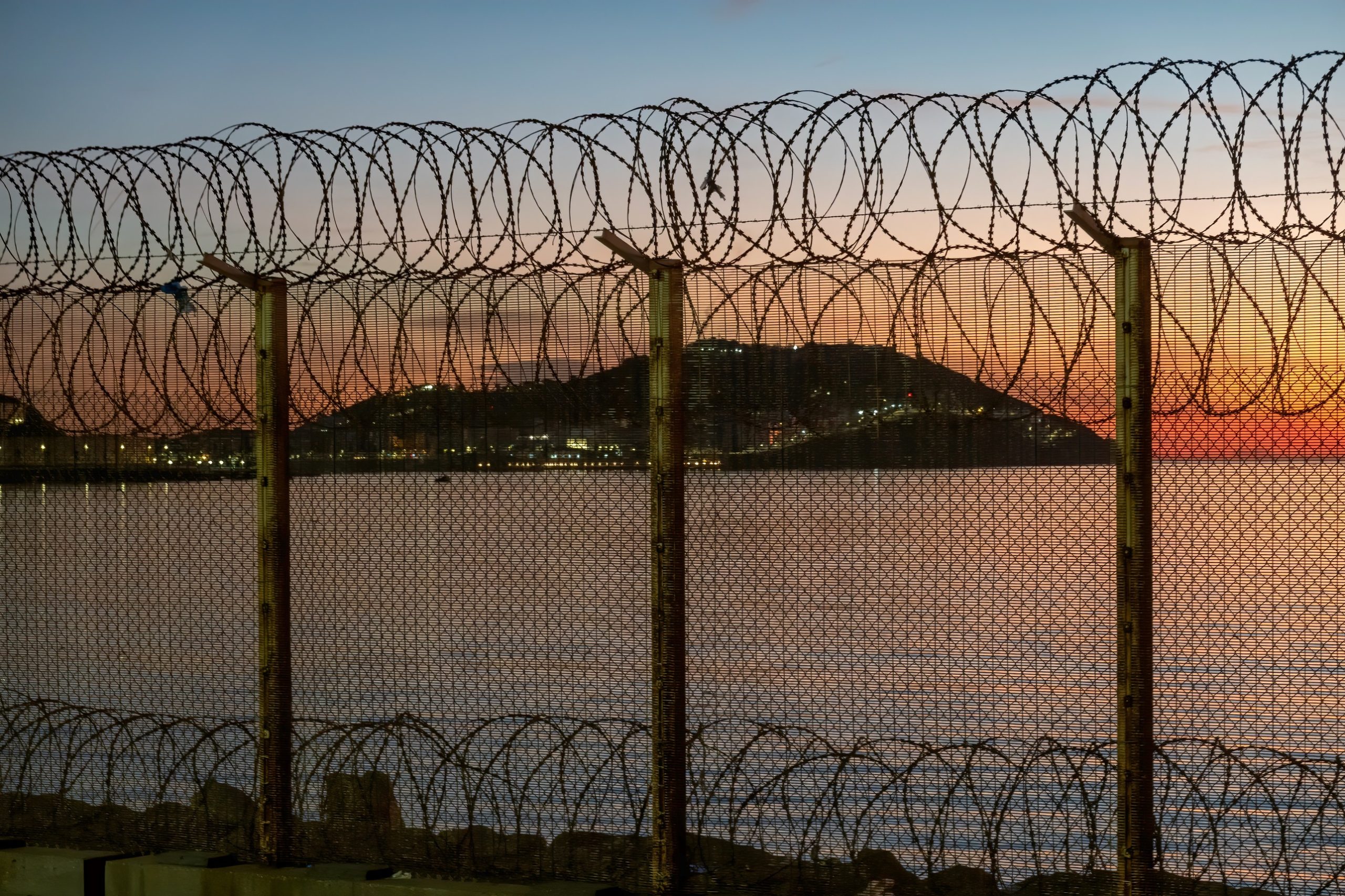
According to reports from DW, declassified documents indicate that Spain’s national intelligence agency warned of potential “mass entries” one day prior to the migration surge in Ceuta from Morocco in late July.
The National Intelligence Centre (Centro Nacional de Inteligencia, or CNI) sent an urgent memo to authorities in Ceuta just a day before the incident, warning of “several calls to carry out entries into Ceuta.”
These findings are part of a dossier comprising over 40 documents. They include internal alerts, intelligence reports, and strategic communications issued by various government agencies to warn of a large influx.
While the majority of the approximately 70,000 individuals who entered Ceuta have been repatriated, thousands remain within the Spanish North African exclave.
CENIF, the Spanish National Police’s border division, also issued a warning regarding social media coordination one day prior to the event.
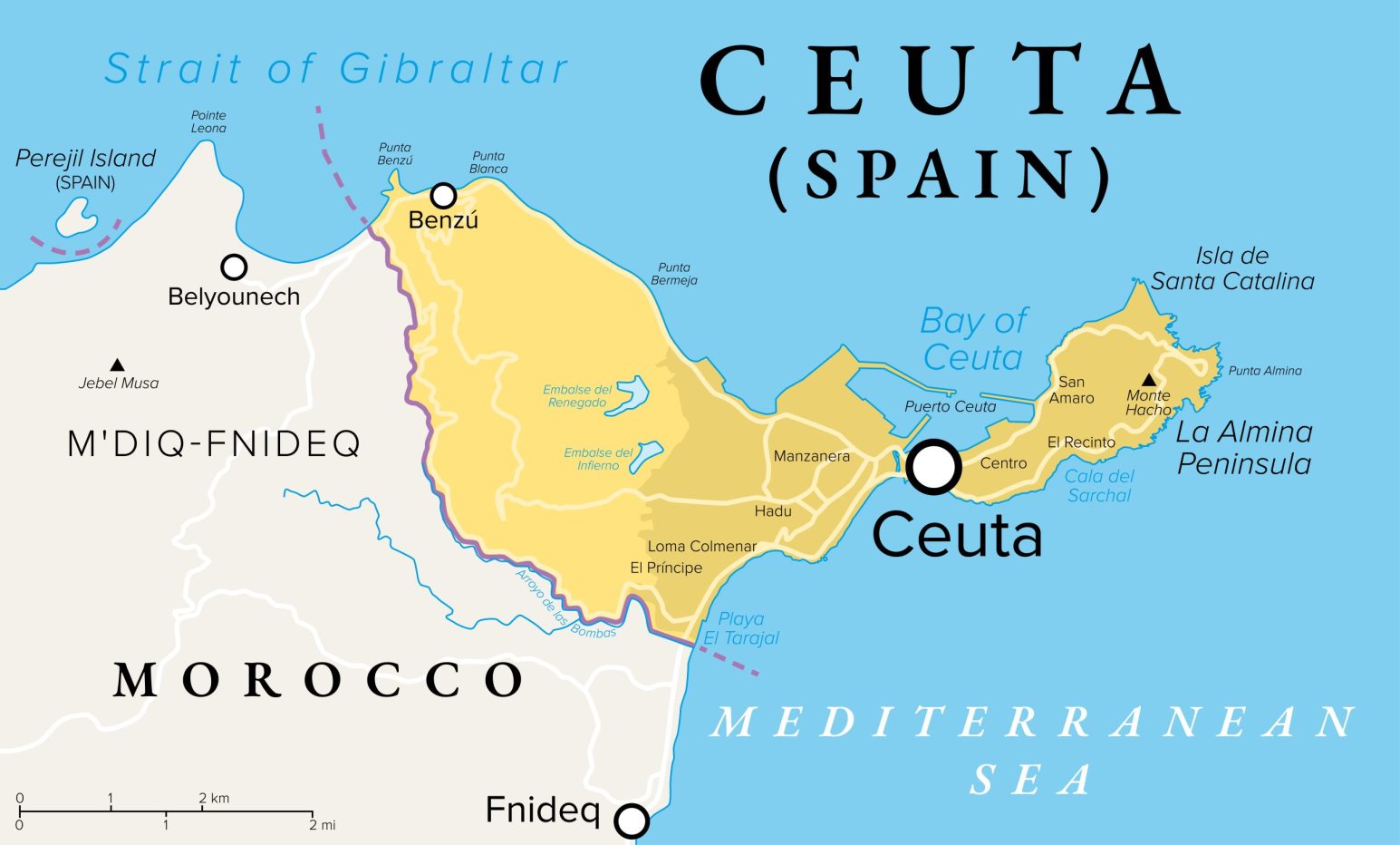
“Internal communications have been detected in migrant groups in which they are trying to organize mass entries on the night of 29/07/2026,” reads a document from CENIF. Almost 1,000 people swam in from Morocco between July 1 and 28—“a drastic upward trend compared to last year,” and “a consolidated and priority threat,” CENIF added.
Sanchez Government’s Reaction
The Spanish Prime Minister, Pedro Sanchez, has denied that his cabinet was aware of
the magnitude of the crisis that is about to unfold. Sanchez also stressed that the National Intelligence Center only alerted authorities in Ceuta and not the military or the Ministry of Defense.
Lo que se lee en los documentos desclasificados hoy es esto:
El 29 de julio, el CNI informó a la Delegación del Gobierno en Ceuta de que estaba circulando una convocatoria en dos grupos de Facebook para entrar a la ciudad de forma irregular durante la semana de la Fiesta del…
— Pedro Sánchez (@sanchezcastejon) September 9, 2026
In a message on X Wednesday, Sanchez said that “with the information available at the time, no one could have foreseen the migration crisis that unfolded on the 30th and 31st. No competent body did so. Neither in Spain nor in the EU.”
Sanchez also dismisses that he had received any document with “solid evidence that Morocco planned or carried out the incident.”
Doubts about Morocco’s role increased after the leak last week of a police report that pointed to the “permissiveness” of its security forces during the crisis.
The EU to Review the Rules of Its Border Agency
In response to the crisis caused by the events in the Spanish exclave, the European Union on 9 September announced that it would grant Spain some €115 million in emergency financial aid to help bolster the bloc’s external borders and return thousands of individuals who overwhelmed the authorities of the Spanish border city.
The episode has also reignited the debate over the bloc’s ability to manage its external borders and the role FRONTEX should play in responding to migration surges.
The EU Commission is planning to propose an overhaul regarding the FRONTEX’s governance, which is expected to include tripling the agency’s corps to 30,000 officers.
