
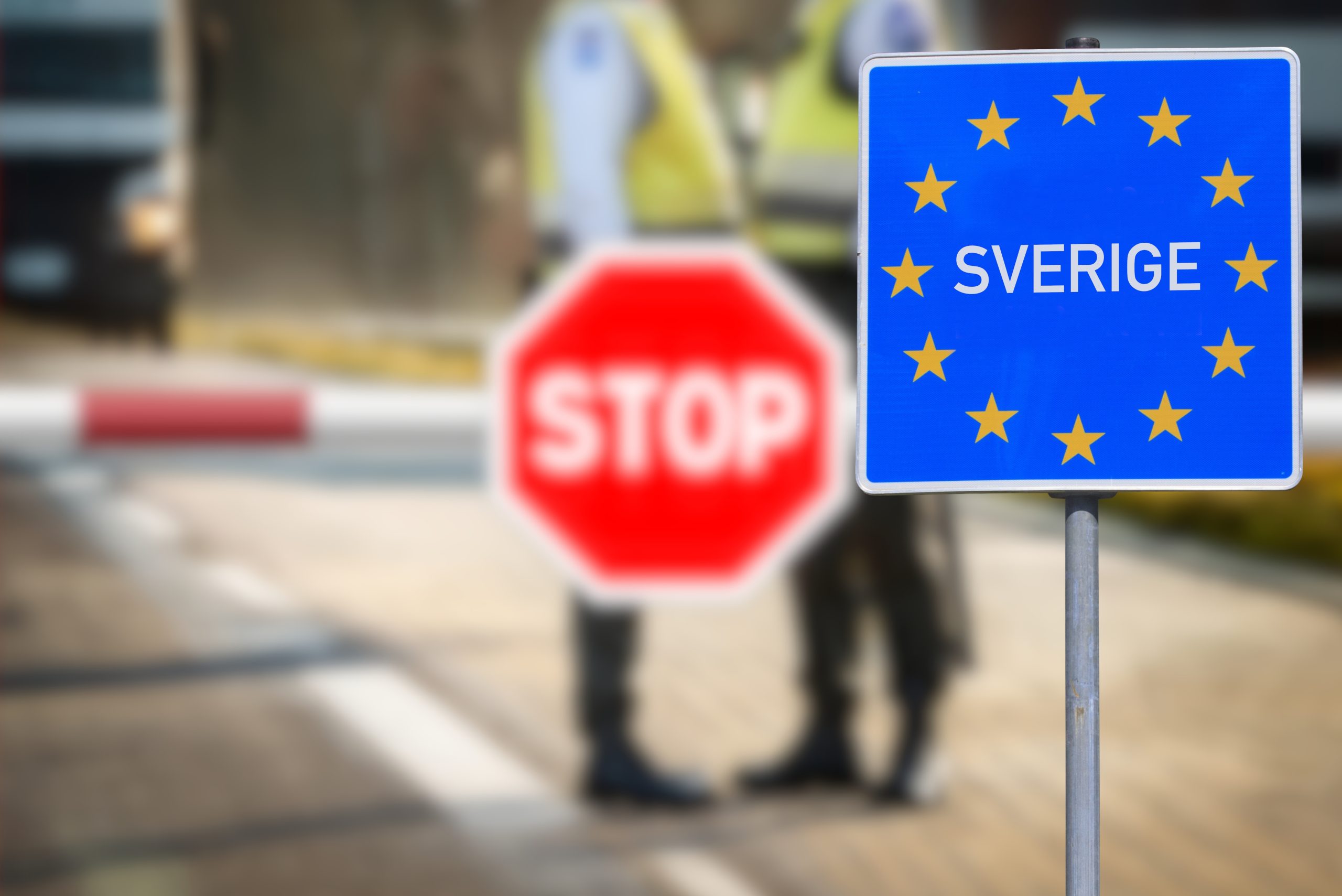
British expats living in EU countries struggle to maintain their residency in Sweden despite decades of living in the country, as increasingly harsh anti-immigration policies force many with minor application issues to deportation.
Joyce Thomas, a 78-year-old retired nurse, has lived in Sweden for 21 years. Despite having worked, paid taxes, and having residency, she was told to leave as her post-Brexit residence application was late. Her husband died in Sweden; her son and grandchildren still live there, but her appeal against deportation was dismissed.
Her case drew concerns in the UK and Brussels over the hard-liner approach of the Swedish authorities to the EU-UK withdrawal agreement, which was supposed to protect British nationals living in the EU before Brexit.
Her case is not the only one; a dementia patient was also threatened with deportation, while a single father was separated from his teenage children.
Late Applications Carry Deportation
For EU, EEA, and Swiss citizens living in the UK, the EU Settlement Scheme provides settled status to those who have lived in the UK prior to the December 2020 deadline, the right to live, work, and study in the country after Brexit.
For Brits in Sweden, a special resident status was created for Brits who settled in the country before December 2020. All residents that moved to Sweden before January 2021 needed to make sure they obtained a residence status card, according to the UK government’s guidance. Without it, residents ran the risk of being misidentified as overstaying in the Schengen area.
However, many were unable to apply in the timeframe given.
Mrs. Thomas was told she should have applied in 2022. She applied in 2023 after her husband, who was taking care of all administrative work for the household, died of cancer. She and her friends testified that they checked for forms necessary for her to continue residency but were told there were none. They also say her husband checked as well but was told the same.
She was rejected in 2024, since she failed to demonstrate “reasonable grounds” to file late. She reapplied under national immigration laws and was rejected once again. Now, her appeal has been rejected as well, meaning she is facing deportation.
Legal Bids to Stop Deportations Fail
George Mason, 74, originally from Hinckley in Leicestershire, has lived in Sweden for 20 years. He currently resides in a specialist care facility due to his vascular dementia and vascular parkinsonism but was given four weeks to leave the country. His application was submitted in December 2021 but was rejected last November for failing to submit documents “demonstrating that he met the requirements for the right of residence.”
The Masons took the case to the migration court of appeals, which ruled in July, claiming, “The state’s interest in regulated immigration outweighs Horace Mason’s interest in continuing to reside” in Sweden. The family’s lawyer has filed a challenge.
What Next?
Almost 4,000 of the 14,200 applications have been refused, according to the Brits in Sweden group. The UK Foreign Office put the refusal rate at 27.5%, which would be three times that of any member state and well above the 3-4% EU average. Among the genuine, missed deadline cases the 9,000-member group saw, the Swedish authorities never resolved any by accepting a reason for being late.
“Britons in the EU are caught in a political perfect storm. EU citizens in Britain have a constituency and dedicated monitoring authority, whereas Britons are divided among 27 systems. Brexit created the problem, but did not require Sweden to conduct inadequate outreach, obscure statistics or stretch proportionality,” David Milstead, a leader of the group and a British-Swedish volunteer citizens’ rights campaigner, wrote in The Guardian.
The people caught in the crossfire have received no response from the British and Swedish authorities, despite supposed conversations between the two.
A UK Foreign Office spokesman told The Telegraph: “We regularly raise concerns regarding Sweden’s protection of citizens’ rights with both the Swedish authorities and the European Commission, which is responsible for monitoring the implementation and application of citizens’ rights matters in EU member states.”
“It would be difficult to find anyone who would argue that what is happening to Mrs. Thomas and others in Sweden was an intended outcome of the withdrawal agreement. Problems will inevitably emerge when a new treaty is put into practice. However, the UK, EU, and Sweden must act to address them. Words and expressions of concern won’t cut it,” Milstead added.
