
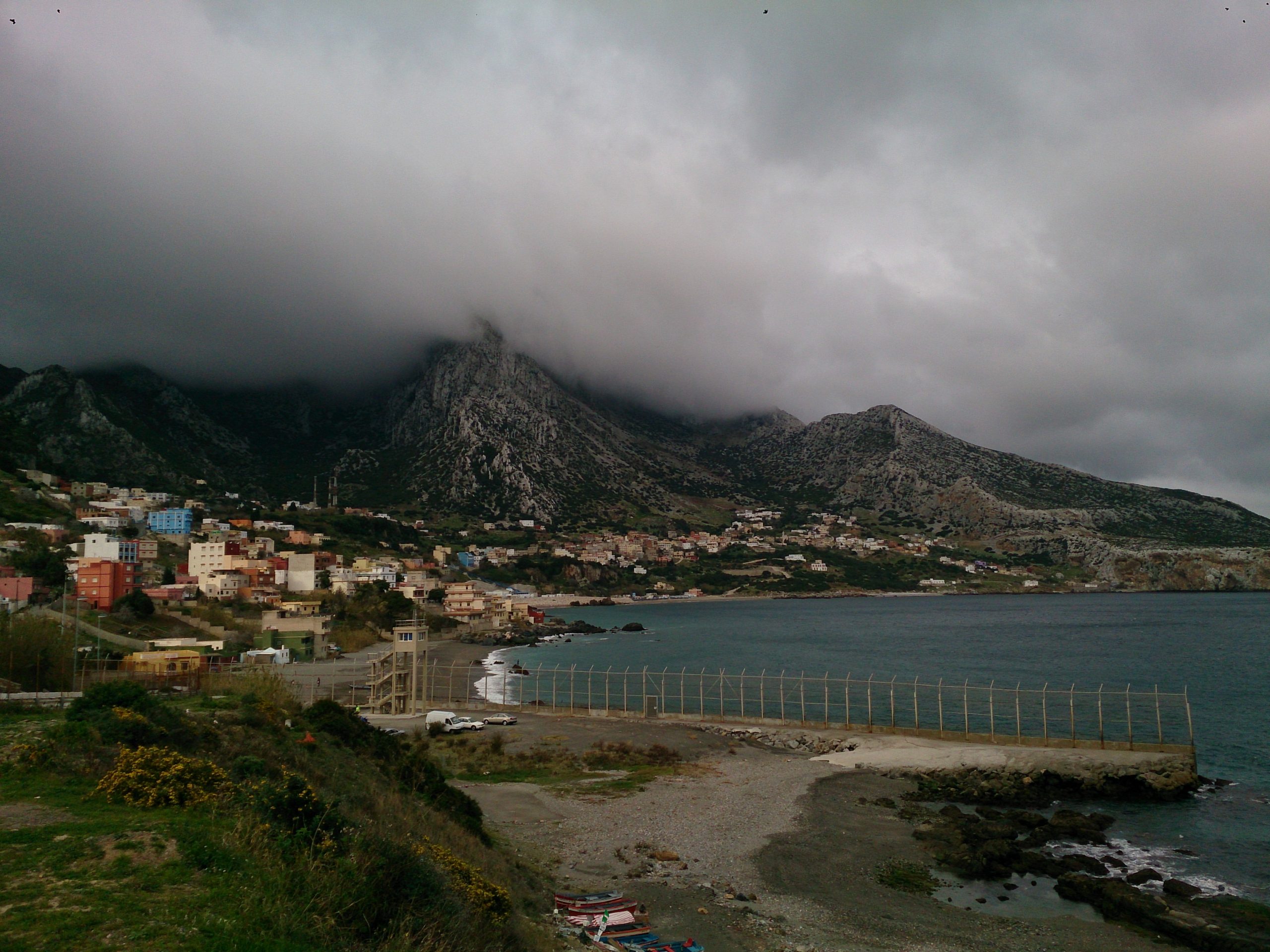
On 30 June, around 78,000 undocumented migrants arrived by swimming around the border fences between Morocco and the Spanish enclave of Ceuta. The seven-square-mile city was ill-prepared for such a volume of arrivals regarding food provisions and reception center spaces.
In the frenzy to get across, Ceuta mayor Juan Jesus Vivas stated that some 140 migrants died, though 90% of the initial arrivals have reportedly been returned following negotiations between Spain and Morocco. Vivas says between 8,000 and 11,000 migrants remain in the territory, overwhelming reception centers and creating an “unsustainable” situation.
The event created ripples in diplomacy, Schengen border control, and long-term EU migration policy that continue to shape debates around the event.
Spain vs Italy: Schengen Border Dispute
Italy and Spain have been at the forefront of the migration crisis. When Ceuta was overrun, Italy was first to react, suspending its Schengen arrangements with Spain and calling for its complete suspension from the Schengen free-movement zone.
Italian officials were also some of the most vocal in the EU, voicing dissatisfaction with Spain’s handling of the migration issue: Italian Foreign Minister Antionio Tajani blamed the surge on Spain’s now closed regularization program that gave over 1 million undocumented migrants and asylum seekers status to stay. He said the program was “profoundly wrong” and incentivized trafficking that resulted in the Ceuta Crisis.
This is despite the fact that Italy has its own regularization program in the works, projected to give out almost 1.1 million work permits to foreign workers by 2028.
On 1 August, Italy launched checks for travelers from Spain, infuriating Madrid, which introduced retaliatory checks for Italians. Spanish officials continued to stress that Ceuta was not part of the Schengen zone, and as such, there was little chance of onward travel without EU residency, especially as authorities stated the area was mostly cleared.
Larger EU Reactions: Condemnation and External Borders
It was not only Italy with an opinion about the Ceuta Crisis in the EU. Danish Prime Minister Mette Frederiksen joined her Italian counterpart Georgia Meloni in a joint message condemning “uncontrolled immigration” that occurred in Ceuta.
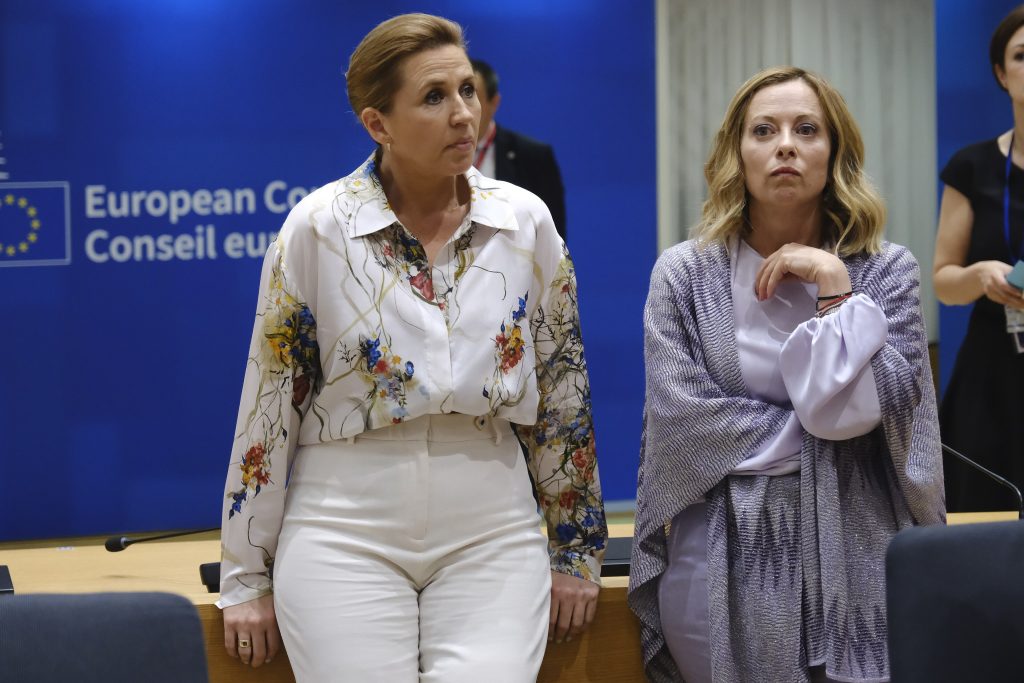
“We are aware that many might be wondering about our cooperation. We come from very different political backgrounds, and we certainly do not agree on everything,” Meloni posted in a “joint message” on Facebook. “We do not accept uncontrolled immigration to Europe, and we have promoted a strict immigration policy, both in our Nations and in Europe.”
“We are both proud of Europe’s Christian cultural heritage and want to protect it. We expect those who come to our countries and choose to make Europe their home to respect our values and not seek to impose ways of life on us that we do not share,” they said.
It was not only EU but also international counterparts critical of the situation: the US has continuously clashed with Spain over Sanchez’s progressive policies, with Ceuta being viewed as a result of it.
“The United States unequivocally supports Spain’s sovereignty over Ceuta and Melilla,” U.S. State Department Spokesperson Tommy Pigott told POLITICO. “The invasion of tens of thousands of migrants into Ceuta is a direct consequence of the Spanish government’s refusal to defend their sovereignty, secure their borders, and protect their people.”
Pigott also called on the Spanish authorities to “take all necessary actions to remove illegal migrants,” adding that “The State Department stands with the Spanish people and all Europeans in defense of their sovereignty and welcomes all efforts to repel the invasion, remove illegal migrants from European territory, and secure Europe’s borders.”
Such sentiments lead many to highlight that Spain has become isolated in Europe due to its immigration policies, leading to Danish MEP Henrik Dahl calling Spanish PM Sánchez Europe’s “red Orbán,” a left-wing leader increasingly deviating from the EU mainstream.
“Like Orban, he is seen as a spoiler,” said Dahl, a member of the European People’s Party, Europe’s largest conservative party. “Sánchez is not on the same page as almost everybody else, and he’s seen as free-riding and really negligent on security issues.”
Such sentiments emerged in the European Parliament after 22 member state leaders signed a letter, initiated by Meloni and Mette, for “an extraordinary videoconference of the Ministers of the Interior,” and citing “serious concern” over the incident and Sánchez’s migration policies.
Effects on EU Policy
Ceuta has elicited two reactions from EU institutions: that current migration policies are not enough and that this is another potential threat to security and should be treated as such.
EU Migration Commissioner Magnus Brunner warned that the EU cannot depend on neighbors for border control. “We must cooperate with our neighbors, of course. But as long as control depends on the goodwill of one neighboring state, we remain … vulnerable,” he stated at an extraordinary meeting of the European Parliament’s civil liberties committee.
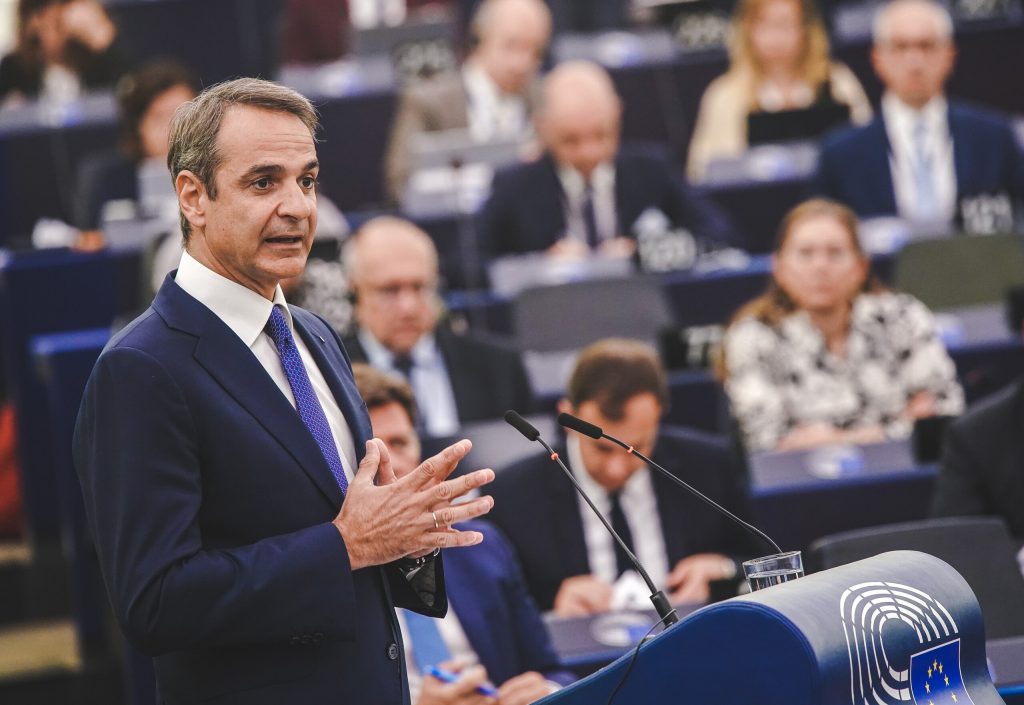
Greek Prime Minister Kyriakos Mitsotakis has also framed Ceuta as a question of European security. “Recent events at Europe’s borders, most notably in the Spanish exclave of Ceuta, are the latest reminder that migration is no longer just a humanitarian issue or management challenge. In some cases, it has become a tool of geopolitical coercion,” he wrote in an opinion piece on Politico.
He argued that current tools are not designed for such situations. “They do not adequately address scenarios in which migration is weaponized, or where flows are engineered, amplified or facilitated in a way that creates a de facto hybrid challenge,” he wrote.
Ceuta’s leader Vivas said that local sentiments agreed. “People see this not as a migration crisis; it was fundamentally an attack, a violation of Spain’s territorial integrity,” Vivas told El País newspaper. “People felt that this, if not orchestrated, was at least encouraged or permitted by Morocco,” he said, referring to rumors that Morocco intentionally eased border patrols due to a diplomatic shuffle with Spain over the Western Sahara.
While many blamed EU measures and lack of cooperation from Morocco, online misinformation also greatly contributed to the crisis: posts on social media indicated that a Spanish Supreme Court ruling prohibited the authorities from returning migrants arriving by sea, when in fact it only ruled they cannot be subjected to fast-track deportation, applied to those crossing physical border infrastructure, such as fences and other official barriers.
EU Executive Vice-President for Tech Sovereignty, Security, and Democracy Henna Virkkunen has called on big tech corporations to exercise closer monitoring to avoid such disinformation after a meeting with representatives from TikTok and Meta, after a great number of migrants that arrived in the frenzy said they were attracted by false online promises, including that Ceuta’s border was opened and that accommodation awaited arrivals in Spain.
Lorenzo Piccoli, Assistant Professor of Migration Governance at the European University Institute, told the Deutsche Welle that while the ruling played a role, it could not explain the scale of the movement. “It’s very hard to see how this would have happened without some form of coordination or without authorities allowing it to happen,” he said. “There is a recognition that perhaps the Moroccan government did not actively provoke this event, but in some ways it did nothing to avoid it from happening.”
Ceuta Remains in Crisis
Despite almost deporting all arrivals, thousands remain in Ceuta in terrible conditions. With reception centers overrun, many sleep on the streets. “We’re sleeping here on the beach, out in the open, without tents or blankets,” Imad, 26, one migrant believed to be still in Ceuta, told The Guardian, with others adding they do not have access to bathrooms. There are hundreds of unaccompanied migrant children among those who remain.
There are also fresh online posts emerging calling for another mass crossing in mid-August, according to the Guardian.
As such, the territory, despite international attention, remains in a crisis. “It has been demonstrated that our security and border are vulnerable and that both are in the hands of a third country that doesn’t recognize the sovereignty of Ceuta,” said Vivas. “People in Ceuta are nervous, they are worried. And this is absolutely logical, because the question we keep asking ourselves is: ‘Will this happen again?’”