
As tougher US border controls redirect migration routes to other destinations, smugglers adapt: Indonesian police have now documented multiple attempts by Chinese nationals to organize boat journeys to Australia.
The situation highlights a new irregular route: the use of Indonesia as a transit point for those seeking Australian shores, a route that has emerged as an alternative to the historically more-used “zouxian” pathway through Central America to the United States.
Zouxian No Longer Viable
“Zouxian” (走线), literally “walk the line,” describes the movement of Chinese migrants who travel through Ecuador, Colombia, and the Darién Gap before attempting to cross the U.S.–Mexico border. The term gained prominence in the early 2020s as economic slowdowns and tighter political controls in China pushed tens of thousands to seek overseas opportunities.
The US’s covid-era restrictions on visas meant that many were nervous about the potential to succeed on legal routes: in 2021, more than 79% of Chinese B-visa applications were rejected, but that number came back down to 30% in 2022.
As such, Chinese migrants often find their journeys through informal networks that include family members already abroad and smuggling operations that span Latin America. The route is hazardous, yet the perceived economic and safety benefits of reaching the United States have historically outweighed these dangers for many.
Their numbers were small at first: only a few hundred in 2021, but soon spiking, with US agents recording 55,000 illegal entries between January 2023 and June 2024, according to The Washington Post. In 2023 alone, ABC reported the arrest of over 37,000 Chinese nationals at the southern borders of the US.
Early 2025 brought a halt to arrivals: migrant encounters in general dropped at the US-Mexico border to historic lows thanks to the combined efforts of the Biden and second Trump administrations. Trump’s later crackdowns confirmed what many expected: that the US no longer welcomes asylum seekers.
New Route Emerging
Indonesia, with its extensive archipelago and proximity to Australia, offers a maritime option that avoids the overland dangers of Central America. Entry is relatively easy, with Indonesian authorities providing visas on arrival. From then on, so-called “snakeheads” coordinate transport and transit points.
But costs are incredibly high, sometimes tens of thousands of dollars, leaving many without an alternative once the journey is underway. Such practices also gave rise to fake snakeheads, who take the money only to send clients to a completely different destination.
Once in Indonesia, migrants are quietly moved to remote coastal areas, where they utilize small fishing boats to avoid detection. Uninhabited islands are used along the way to rest or ensure their position remains concealed.
Migration lawyer Sean Dong says Australia is not welcoming when it comes to illegal migrants’ asylum approvals. “[Legitimate asylum seekers] are generally transferred to an offshore detention facility where they face a lengthy process,” he said.
“Most of them [I spoke to] had no idea that it is almost impossible for boat arrivals in Australia to obtain a visa,” he added.
Lack of Information on the Australian Side
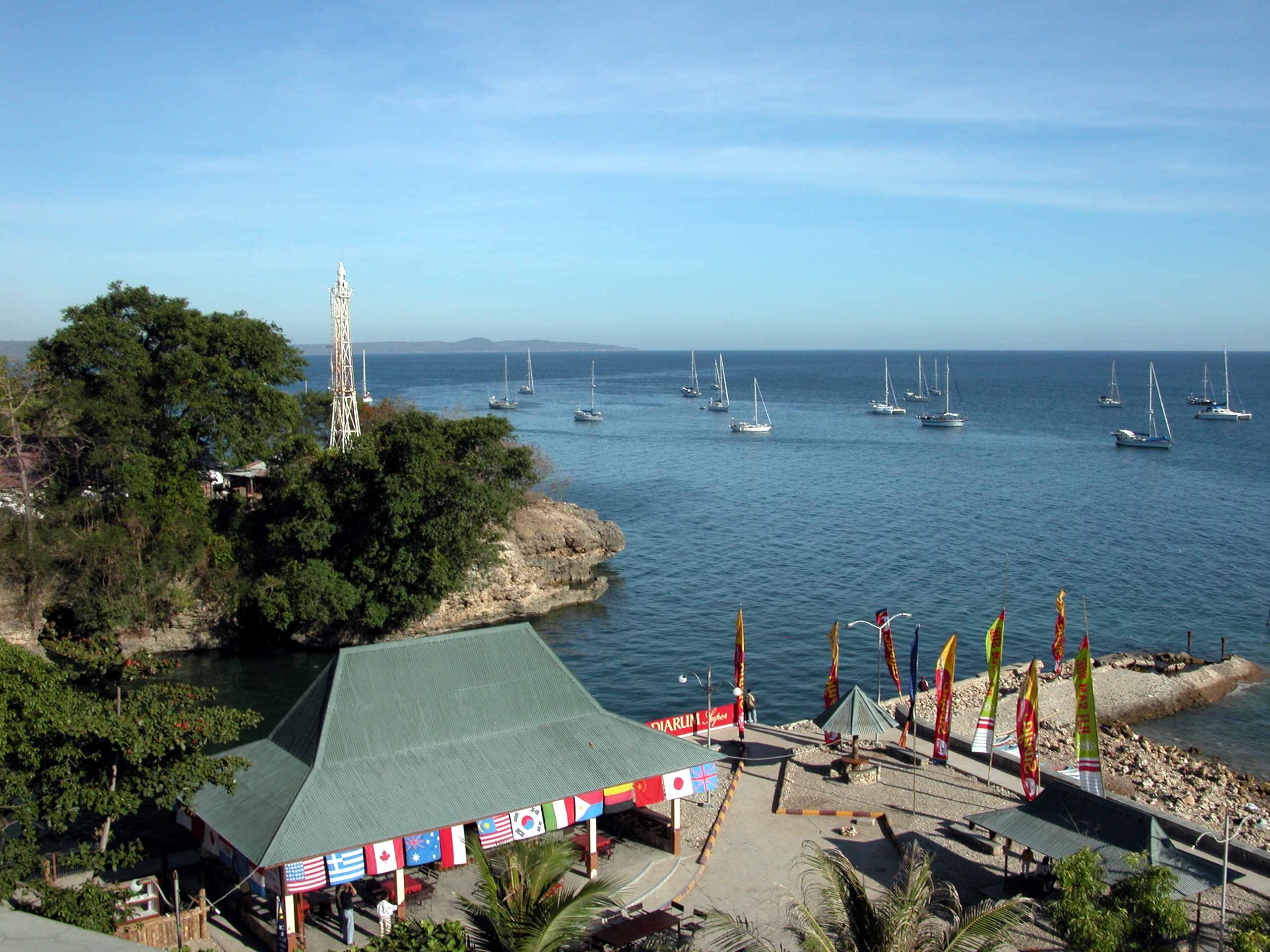
Indonesian police report increasing attempts to cross. The East Nusa Tenggara police arrested four Chinese nationals in mid-2025 for attempting to reach Australia with a boat bought for US$3,500. In January, the police learned about three Chinese nationals residing in a local hotel and orchestrating their journeys. They were found on Oliana Beach, Tablolong, with a boat, allegedly preparing to leave for Australia. In late February, police in Rote Ndao – a regency of East Nusa Tenggara – discovered another boat carrying seven foreign nationals, four of them Chinese.
While there is security cooperation in place between Australia and Indonesia, whether it extends to criminal gangs is unclear. Indonesian police now begin a cooperation with Chinese counterparts to discuss “the recurrence of people smuggling involving Chinese citizens.”
The Guardian submitted a freedom-of-information request with the Australian Department of Home Affairs to specify the number of Chinese nationals who arrived by boat and were intercepted or taken to detention centers since January 2024. The department denied the request.
“A decision on the part of the Department to reveal this information would likely cause the governments of other countries to become less willing to cooperate with, or provide information to the Australian Government or its agencies in the future,” an official wrote to the outlet.
“Maintaining strong bilateral and multilateral relationships with foreign governments requires trust. Integral to maintaining trusted relationships is the capacity for the Australian governments to protect its communications with foreign governments, including by maintaining confidentiality over the flow of information.”
Uncertain Future
The recent uptick in Chinese nationals attempting to reach Australia by boat via Indonesia reflects a broader shift in global migration patterns, driven by stricter enforcement on traditional routes. Whether the Australian response hides a larger operation to stop the smugglers or is simply diverting focus, Chinese nationals are expected to continue crossing in hopes of a better life.