
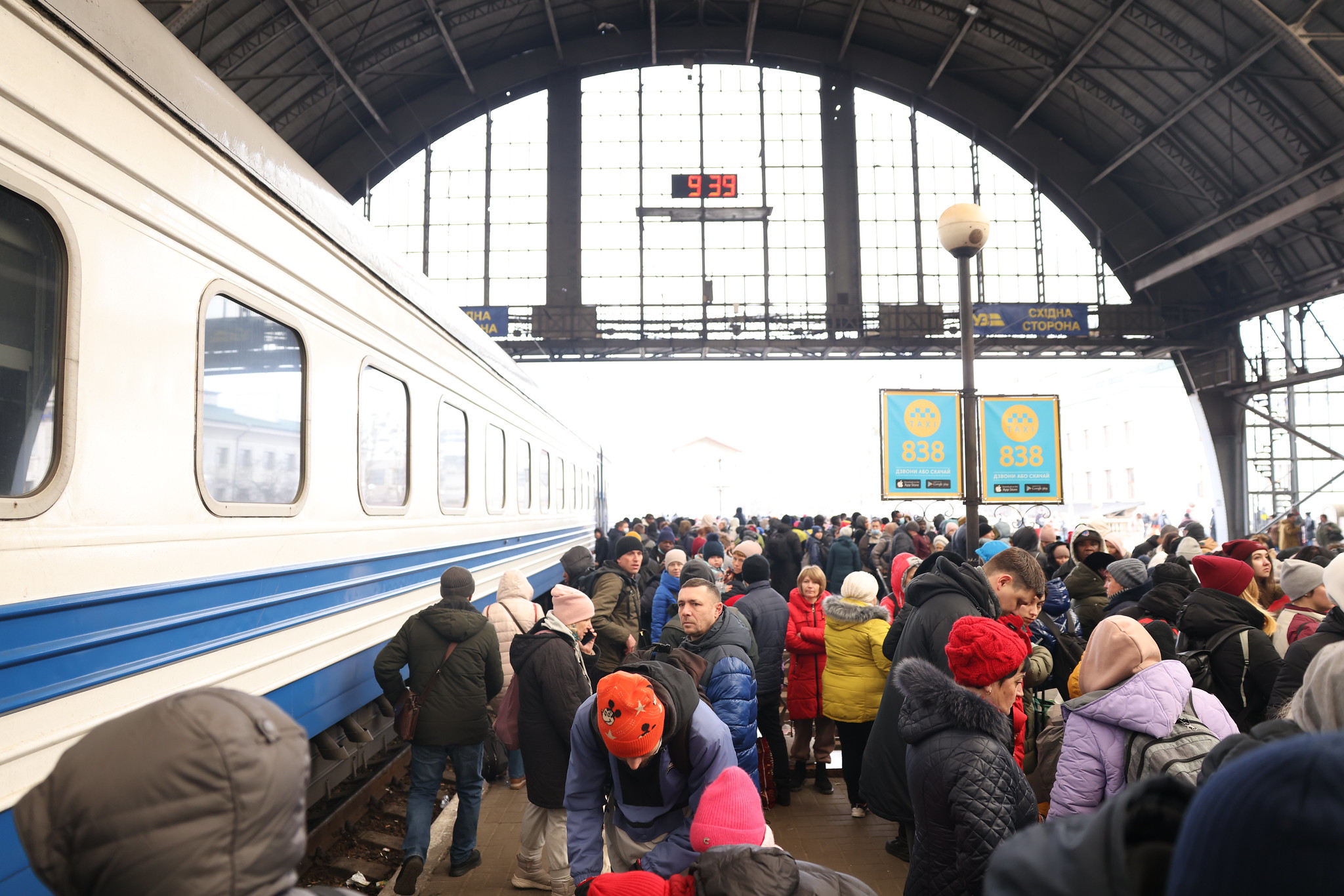
Around 3.7 million Ukrainians have been displaced within the country after surviving the harshest winter in a decade. While the 5.9 million refugees who remain abroad also face hardship.
Inside Ukraine, 10.8 million require humanitarian aid in 2026, with 3.7 million internally displaced, as energy and housing infrastructure remain damaged. Abroad, 5.9 million Ukrainians remain refugees across Europe, with Germany hosting the largest population – over 1 million –and the UK supporting over 180,000 through its Homes for Ukraine scheme.
Poland’s Economy Boosted by the Contributions of Ukrainians
According to a UNHCR-Deloitte report from June 2025, Poland’s rapid labor market integration—evidenced by a 2.7 percent GDP boost and employment rising from 61 percent to 69 percent in 2024—demonstrates the economic value of inclusion. Last September, the Interior Ministry of Poland reported that 8,219 Ukrainians were granted citizenship, rendering them the largest immigrant group.
Warsaw is deliberately moving toward tightly linking social assistance to employment for foreigners. This has already affected Ukrainian refugees: one-time payments of 300 zlotys ($75) were scrapped in the summer of 2024.
To receive 800 zlotys ($200) per child under the Rodzina 800+ program, applicants must prove professional activity. A key criterion is the ability to pay pension and disability insurance contributions – for free medical treatment, rehabilitation and prosthetics – amounting to at least half of Poland’s minimum wage.
Financial support for Ukrainian students – including free transport, preparatory classes and extra Polish-language lessons – remains in place until the end of the current school year. Who will cover those costs after Sept. 1 remains unclear.
Germany and the UK Heavily Dependent on the Ukrainian Workforce
Ukrainian refugees in Germany and the UK are demonstrating rapid labor market integration despite contrasting policy environments. In Germany, over 78% of working-age refugees intend to work, with half of those who arrived in early 2022 already employed—supported by immediate work rights and training programs.
Since August 2025, a surge in young Ukrainian men (18–22)—rising from 100 to nearly 1,000 per week—has reshaped the refugee demographic, with many seeking apprenticeships and education to rebuild their lives and support families.
In the meantime, 68 percent of Ukrainian refugees in Great Britain were employed by early 2024, and one in five British employers hired them—outpacing other refugee groups.
Since the full-scale invasion, around 227,000 people have come to the UK under the Homes for Ukraine scheme or the (now closed) Ukraine Family Scheme, the majority in 2022. While some have since left, the total Ukrainian population of the UK is estimated to have been five times higher in 2024 than in 2021 (217,000 compared to 41,000. Currently lots of Ukrainians are losing their jobs and homes due to uncertainties over the Home Office’s visa extension process, which will leave some with an eight-week gap in which they are unable to justify their right to remain and work in the UK.
