
The civil war in Sudan broke out in 2023 after a power struggle between the army and paramilitary groups. In the two years since, millions have been displaced: the International Organization for Migration (IOM) reported 14.2 million being displaced overall in June 2025.
Of this, 10 million are estimated to have remained inside Sudan, while the rest fled to surrounding states; over a million each fled to South Sudan, Chad, and Egypt.
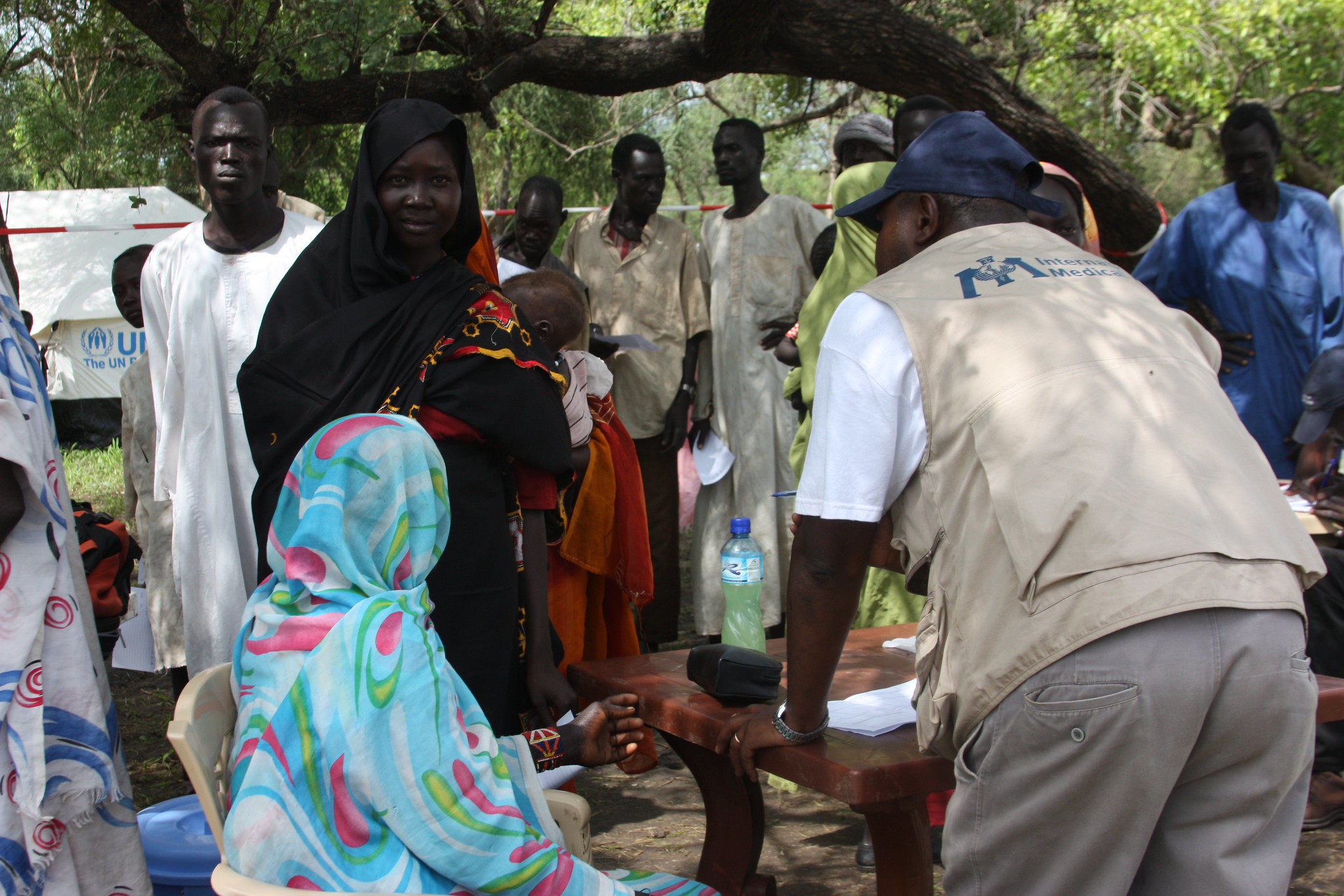
Doctors Without Borders (MSF) hopes to provide aid. Many refugees remained in the Aswan governorate just across the Sudan-Egypt border, where MSF collaborate with Om Habibeh Foundation (OHF), an Egyptian organization, providing consultations for diseases and mental health conditions alike.
Special Needs Are Met
The project set up five mobile clinics across the governorate in January 2025 to reach as many of the needy as they can while supporting the healthcare system already in place. The joint team has provided 7,265 general consultations and over 6,600 consultations for non-communicable diseases, along with 1,470 individual mental health consultations.
The project also takes specific needs into consideration; Egyptians and Sudanese may live together but their access to healthcare and what they require differs. For the Sudanese, their legal status determines whether they can seek professionals and adds to their fear of intimidation. Their freedom of movement is also limited.
“Fleeing war and leaving their homes behind add a serious toll on people’s mental health,” says Moses Luhanga, MSF health promotion activity manager in Egypt. “We see a lot of patients who suffer from anxiety, depression, or post-traumatic stress disorder due to their pasts. What they went through, whether in Sudan or on their journey here, and the uncertainty of their current lives.”
Working with the Community
Ala’a has been a community mobilizer in Karkar for four years, acting as a go-between for members of the community and those providing humanitarian aid.
“There was a big community solidarity between families, but the needs became too big, and we cannot be left without additional assistance,” she said. “The demand for mental health services is huge. When I first announced that a psychologist was coming to Karkar, more than 500 people showed interest.”
Aliya, mother of three, found out she was pregnant with her fourth child after fleeing through the desert to Egypt. Arriving at the clinic, she was reassured that her delivery and journey to the hospital would all be covered by the medical team. Another patient named Khaled receives medication for his chronic illness; he couldn’t receive treatment due to the war, forcing him to leave.
Heba, an Egyptian woman, is mother to seven children. To cover her medical bills and feed her children is immensely difficult for her. “While I do have access to the public services as an Egyptian woman, I prefer to come here as I receive all my medications for free,” she says. “It helps me save some money for my family, instead of paying at the pharmacy.”
Though many patients require secondary medical care, like Aliya, many require financial or social help. Staff make their way to communities every morning, with an MSF referral nurse following up with patients neither the MSF nor the OHF can aid. Though some Egyptians arrive in the mobile clinics, most patients are Sudanese refugees.
Refugees in Danger as Conflict Rages On
The conflict has been devastating, making it the world’s biggest humanitarian crisis. Over the 32 months the war has been ongoing, as many as 400,000 have been killed.
The recent RSF takeover of the last army holdout in El-Fasher alone took at least 60,000 lives, according to the UK government’s brief. An additional 150,000 are missing.
Survivors have told horrendous stories of executions, rape, and human trafficking. Satellite images show the city has been largely abandoned, with marketplaces being so unused they have become overgrown.
Recently, Amnesty International accused the RSF of committing war crimes for their multi-day attack on Zamzam refugee camp in April, which involved the killing of civilians, destruction of mosques, schools and health clinics. The camp was once home to almost 500,000 people; it emptied after the April 11 attack.
The camp was established in 2004 right outside El-Fasher, covering an area of about 8 kilometers (5 miles) long by about 3 kilometers (2 miles) wide.
Such attacks show that internally displaced people are also in continued danger.
The International Criminal Court is investigating suspected war crimes committed in Sudan, especially Darfur.
