
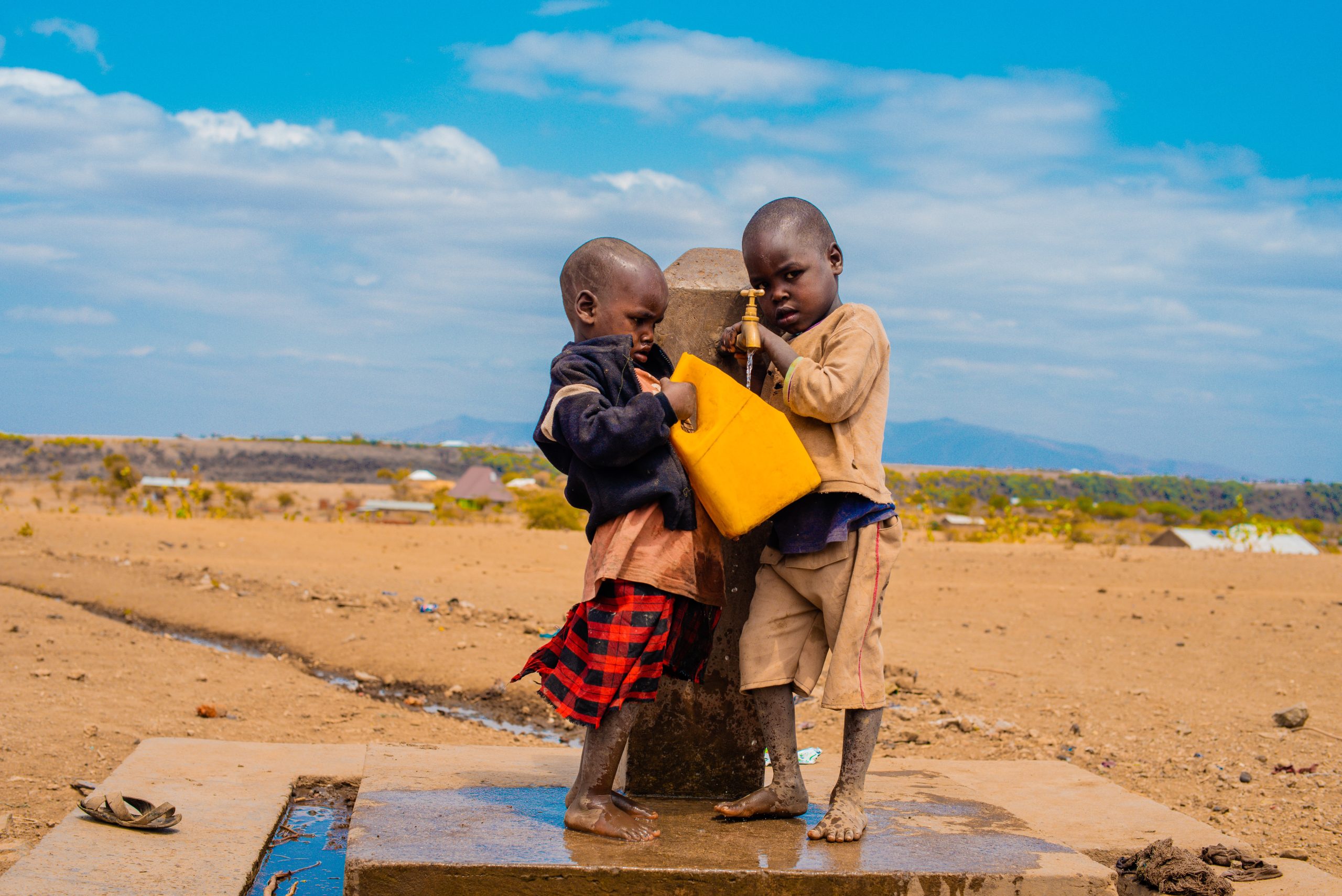
While, the issue of migration has polarized the Global North, in Africa, a record number of people struggle with malnutrition and displacement. Needs aren’t met as foreign aid diminishes, and climate change worsens conflicts across the continent.
Here are just some countries where these push factors could prompt movement from the continent expected to have the fastest population growth in coming years.
Nigeria: From Climate Crisis to Humanitarian Disaster
According to the International Displacement Monitoring Centre’s (IDMC) 2025 Global Replacement Report, Sub-Saharan Africa is the origin of 47% of the world’s displaced population. Over 3.7 million IDPs reside in Nigeria specifically, the fourth largest number in the region.
Benue State was known for years as the ‘food basket of Nigeria’ for its lush fields feeding the rest of the country. When desertification hit the state, herders were pushed towards the agricultural hub with plenty of pasture for their animals; however, with Nigeria being so densely populated, the two groups soon ran out of land to share, sparking conflict in 2011.
Herders, mostly from the Fulani ethnic group, who are traditionally Muslim communities, have accused farmers of attacking their camps and even stealing their cattle, while farmers, traditionally Christian, say the animals trample their crops, rob their homes, and contaminate water sources.
The ongoing armed conflict wreaked havoc on the whole of Nigeria’s agriculture, which dwindled to the point that the nation now faces malnutrition and famine. According to the IPC’s Acute Malnutrition Analysis between May 2024 and April 2025, there were 5.44 million malnourished children in North Nigeria; 1.76 million of those were severe, with 3.67 being moderate.
Despite the calls of humanitarian agencies, the Nigerian government fails to stop the violence, leaving these people in inhuman conditions in refugee camps and prompting them to leave the state if they can, with IDMC reporting the movement of almost 123,000 people internally: Benue accounted for 43,000 alone.
The Nigerian authorities must immediately end the almost daily bloodshed in Benue state and bring the actual perpetrators to justice.
The horrifying killing of over 100 people by gunmen that invaded Yelewata; from late Friday into the early hours of Saturday 14 June 2025, shows…
— Amnesty International Nigeria (@AmnestyNigeria) June 14, 2025
South Sudan: Regional Conflicts Overlapping Local Disasters
South Sudan is one of the world’s poorest nations, gaining independence from Sudan in 2011 after years of conflict. Two years later, a civil war erupted, which displaced more than a fifth of the population. Despite the uneasy peace, a new civil war is just on the horizon if sporadic violence becomes widespread.
Ongoing armed conflicts have displaced 269,000 in 2024, with an additional 423,000 people displaced by floods, according to IDMC. Neighboring Sudan’s war has become the cause of one of the world’s worst humanitarian crises, which affected all its neighbors, including South Sudan, which took in about 1,162,069 refugees, many of whom are now displaced in the country, according to the Mixed Migration Center.
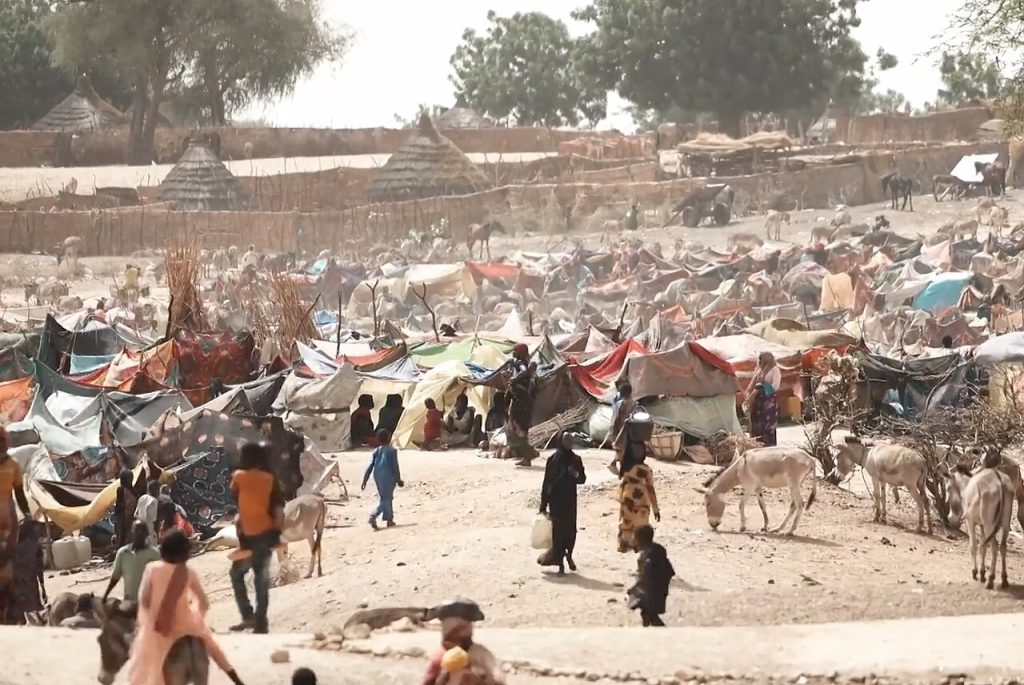
Food security is dire due to the combination of climate change-induced droughts and floods with prolonged armed conflicts. “Approximately 9.3 million people are in dire need of assistance, with 7.7 million suffering from acute food insecurity,” according to Murithi Mutiga, Program Director for Africa of the International Crisis Group.
About 2.3 million children under the age of 5 now require treatment due to acute malnutrition, while 1.1 million mothers are unable to breastfeed due to malnourishment, according to a UN-backed study. However, these numbers could get worse with aid cuts, which will worsen staffing issues across malnutrition sites; 66% of them already need more staff. Only a third of children received treatment due to the closure of 15% of nutrition facilities after overseas aid cuts.
Critics argue that the nation has become too reliant on foreign aid, as 80% of healthcare funding comes from foreign donors, while health only takes up 1.3% of the government’s budget. Any foreign aid that arrives is threatened by fighters disrupting transport networks, as they did in April, when 1,000 metric tons of food and nutrition supplies from the WFP and UNICEF had to turn back.
Kenya and Somalia: Relying on Foreign Aid amid Cuts
Nigeria and South Sudan aren’t the only states in limbo after aid cuts and lack of government action. In Somalia, 1.8 million children are malnourished, while only about 39% of required funding for 2025 has arrived, forcing aid agencies to cut down support. Somalia also has the fifth-highest number of IDPs displaced by disasters (733,000).
In Kenya, only about 77% of therapeutic food supply needs have been met, with food stocks running out in October. Repeated droughts and floods have left the country without arable land and displaced 314,000 in 2024.
According to Save the Children, the UK’s funding cuts alone will cause the loss of 90% of the country’s support on the continent. The cut from 0.5 percent to 0.3 percent of Gross National Income (GNI) from 2027 is at best projected to result in the support of just 1.1 million in 2027, compared to 10.8 million people in 2019.
US aid cuts are already causing issues in dealing with Somalia’s malnutrition, South Sudan and Ethiopia’s cholera outbreak, and lack of water across the continent, according to Doctors Without Borders. Research in The Lancet medical journal estimated that with the 83% cut US Secretary of State Marco Rubio announced in March 2025 would result in the death of over 14 million people by 2030.
While foreign aid cuts worsen the effects of climate change and armed conflicts, displacement could become widespread, while deaths only rise. According to the Mixed Migration Center’s report from April 2025 and IOM’s 2024 Annual Libya Mission Overview, the Mediterranean route is already frequented by Somalis, Nigerians, and Sudanese.
Lack of land and local help will prompt many to move, and while these movements tend to be localized, more could be pushed to move further north, worsening Europe’s asylum crisis.
