
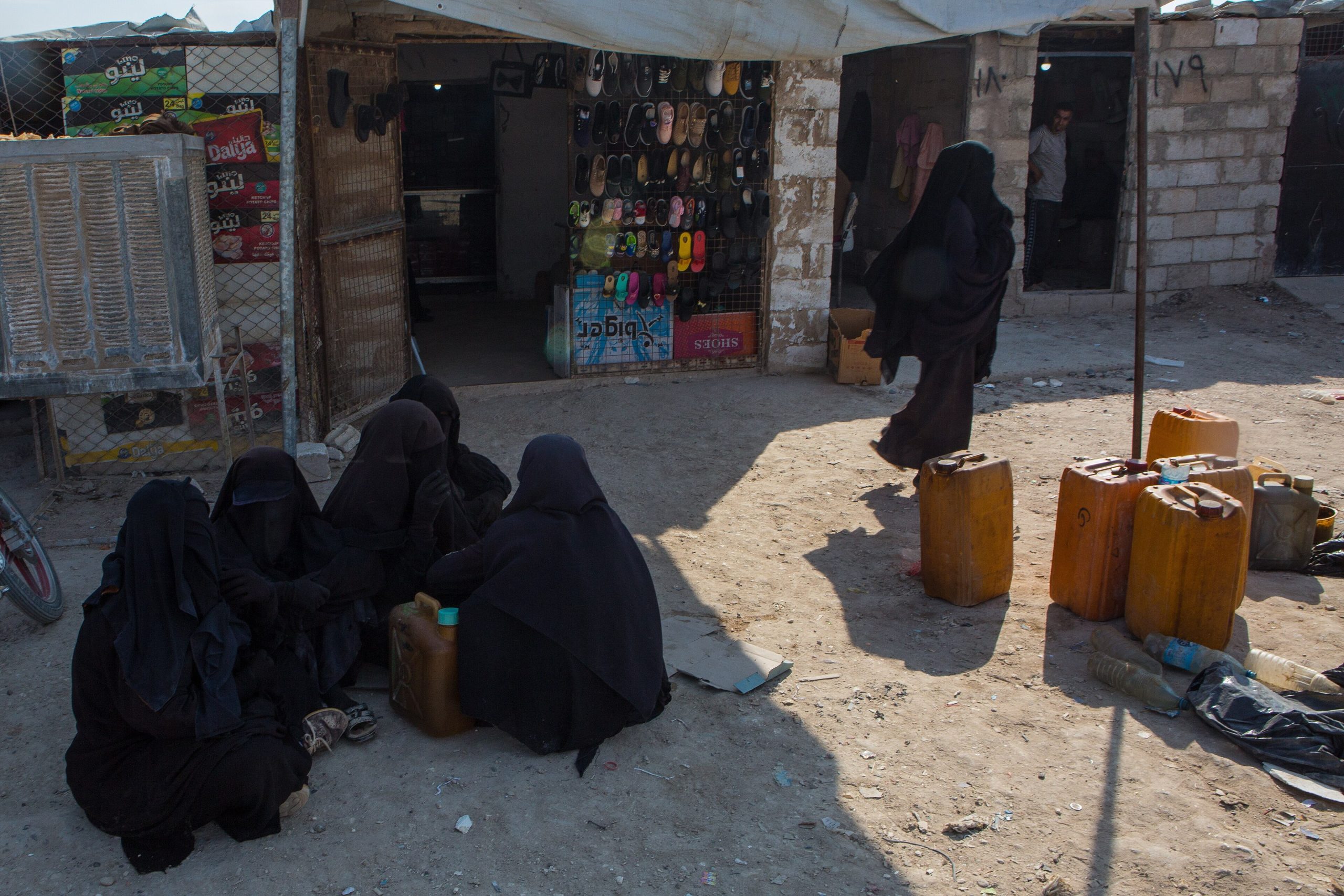
Northeastern Syria was home to camps holding tens of thousands, with their families, suspected of having ISIL (ISIS) links. This January, government forces took over the territory, which had been held by the mainly Kurdish-controlled Syrian Democratic Forces (SDF) for years.
The Syrian military and the SDF have been in a fragile ceasefire since January, which was extended to support the transfer of ISIS-related prisoners to Iraq under a US-led operation. Now, thousands have been reported leaving the detention camps in Syria, with many foreign families attempting to return to their home states – with a varying degree of success.
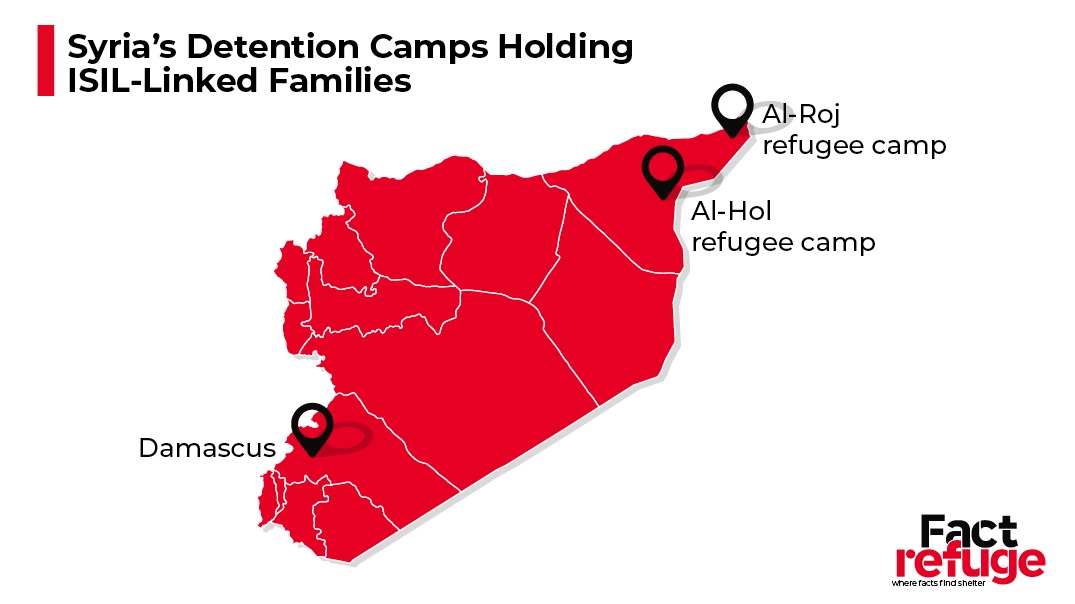
Al-Hol: The Biggest Camp Is Now Being Evacuated
Al-Hol camp (or al-Hawl) was where suspected ISIS fighters’ families were transported by the SDF. At its peak capacity after the defeat of ISIS in Syria, it housed around 73,000 people.
Recent numbers estimated residency to stand at 24,000 earlier this year. Current reports suggest this has dwindled down to the low thousands. In January, the camp held 14,500 Syrians and 4,000 Iraqis. Many of these detainees have left for their hometowns, aided by family members.
The roughly 6,200 foreigners of around 40 nationalities are stuck in a stateless limbo as their home states refuse to take them back. 95% of them are women and children, according to Save the Children. They were reportedly separated in a high-security section, most coming from Russia, the Caucasus, and Central Asia.
“If radicalized detainees are able to support ISIS attacks, or a resurgence in the next year or two, this could represent a major blow to the Syrian government,” Caroline Rose, director of the Crime-Conflict Nexus and Military Withdrawals portfolios at the New Lines Institute, told Al Jazeera.
It is unknown how many remain in the camp and where those that left are right now.
“Families escaped while we were present because the camp is large and the smuggling routes are very varied,” Fadi al-Qassem, the Syrian foreign ministry’s representative responsible for Al-Hol’s affairs, told Sky News. He added that by the time government forces arrived, the Kurdish forces had left the camp without guards and with open gates. Long-lasting smuggling networks and unreliable local records also complicate the assessment of the situation.
Al-Qassem said that the camp “lacks the basic conditions for habitation” and that it would be too costly to repair, prompting the government to relocate remaining residents to camps in Aleppo province, according to Euronews.
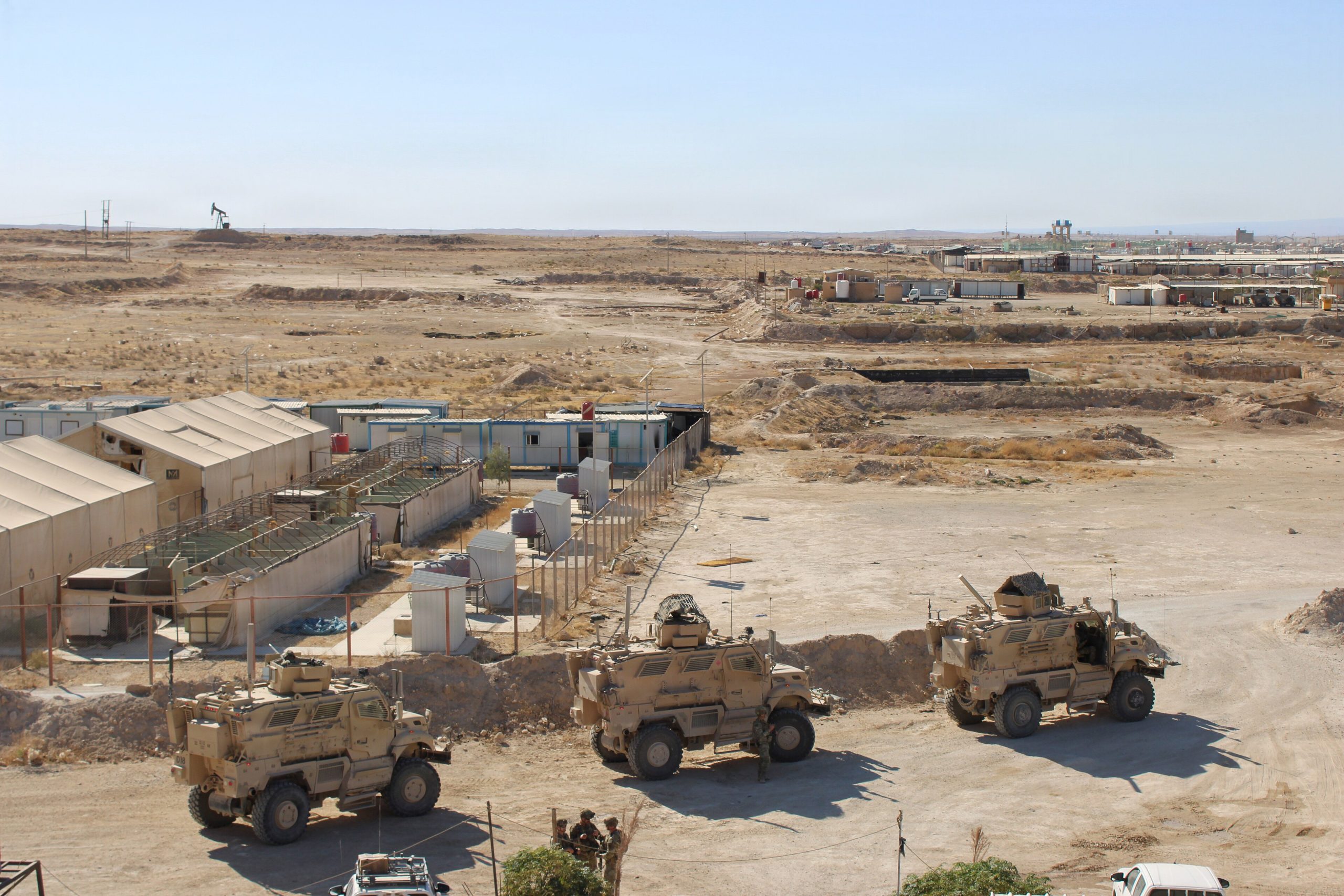
Additionally, the US aided the transfer of 7,000 detainees from Syria to Iraqi camps. According to an expert speaking to The Guardian, the relocation of prisoners suggests the lack of confidence in the Syrian government to handle the situation.
The lack of clarity over the whereabouts of those that escaped leaves many of the over 1,000 humanitarian and civilian workers that ran the camp worried, as many former residents blamed them for their condition.
Al-Roj: Foreigners Attempt to Return Home
Al-Roj is another camp, further northeast, which holds over 2,000 women and children. Most of them are foreign wives and children of men affiliated with ISIS. According to camp officials, the most frequent nationality is Russian, but there are nationals from all over the world: France, the UK, Morocco, Iraq, Turkey, Russia, Indonesia, Finland, etc. Many were reluctant followers; others had turned their back on the ideology and just wanted to go home, while some remained faithful to ISIS’s credo.
This camp was home to Shamima Begum, a British citizen born in England to Bangladeshi parents. Begum fled London with two school friends in 2015 to marry ISIS fighters in Syria. She was later stripped of her citizenship for posing a national security threat and told she would not be stateless, as she was “a citizen of Bangladesh by descent.” Now, at 26, she continues her lawsuit to get back her citizenship, with an ECHR investigation underway.
Though her case is the most well-known, she is far from being the only one in this situation. Another anonymous ex-British citizen in the camp told CNN she is no longer an ISIS follower but is scared for her 9-year-old son.
“I was born in England. I was raised in England,” she said. “I don’t have anyone anywhere else. My mum, my dad, my brothers – all are in England. We are utterly and totally stateless.”
Repatriation of these women and their children is complicated. Last week a group of 34 Australians (11 women and 23 children) left the camp for Damascus to return to Australia. The women, as “ISIS brides,” did not make it, as Syrian authorities turned them back.
Australian Prime Minister Anthony Albanese said the country will not repatriate them or aid their repatriation in any way. “You make your bed, you lie in it,” he said at a press conference last week.
In Australia, ISIS is still listed as a terrorist organization; being its member is punishable by up to 25 years in prison. Dual citizens can also be stripped of their Australian citizenship if they are found to be ISIS members.
One citizen of this group has already been barred from entry for two years for being an ISIS member “on advice from security agencies,” according to Home Affairs Minister Tony Burke.
The group of Australians were aided by their family members back home, and many other women from other countries began similar attempts as security around the camps relaxed during the government takeover. An Albanian woman, who was kidnapped by her father as a child and then taken to Syria, smuggled herself to Turkey, where she requested travel documents. A Belgian woman also chose this path through Turkey before being charged in absentia with ISIS membership.
Meanwhile, Syrian government actions worry many. A humanitarian worker told The Guardian upon meeting with interior ministry officials that they approached the camp as an issue in child protection rather than security. New camps in Damascus operate with Wi-Fi and an open door instead of barbed wire fences and armed guards at the gates, prompting fear that the people detained for years could now roam free – potentially with continued association with ISIS.
Uncertain Future
Security forces in al-Hol said they felt for the detained who were imprisoned indefinitely. “I get it; if I had been stuck in this camp for years, I would also want to escape. They were oppressed here. Their countries have to take them back,” a Syrian security force officer told The Guardian after stopping an escape attempt at al-Hol.
In Al Roj, 16 families were repatriated last year, including German, French, and British citizens, according to camp director Hakmiyeh Ibrahim. Speaking to ABC, he called for more: “Take your citizens, take these children and women.”
“The more time passes, the more complicated the situation becomes” as children grow up in detention, leaving potential for radicalization. https://www.bbc.com/news/articles/c4g2dgjrx75o
Other governments, such as France, the Netherlands, and the UK, also refuse most of their citizens still held in Syria.
