
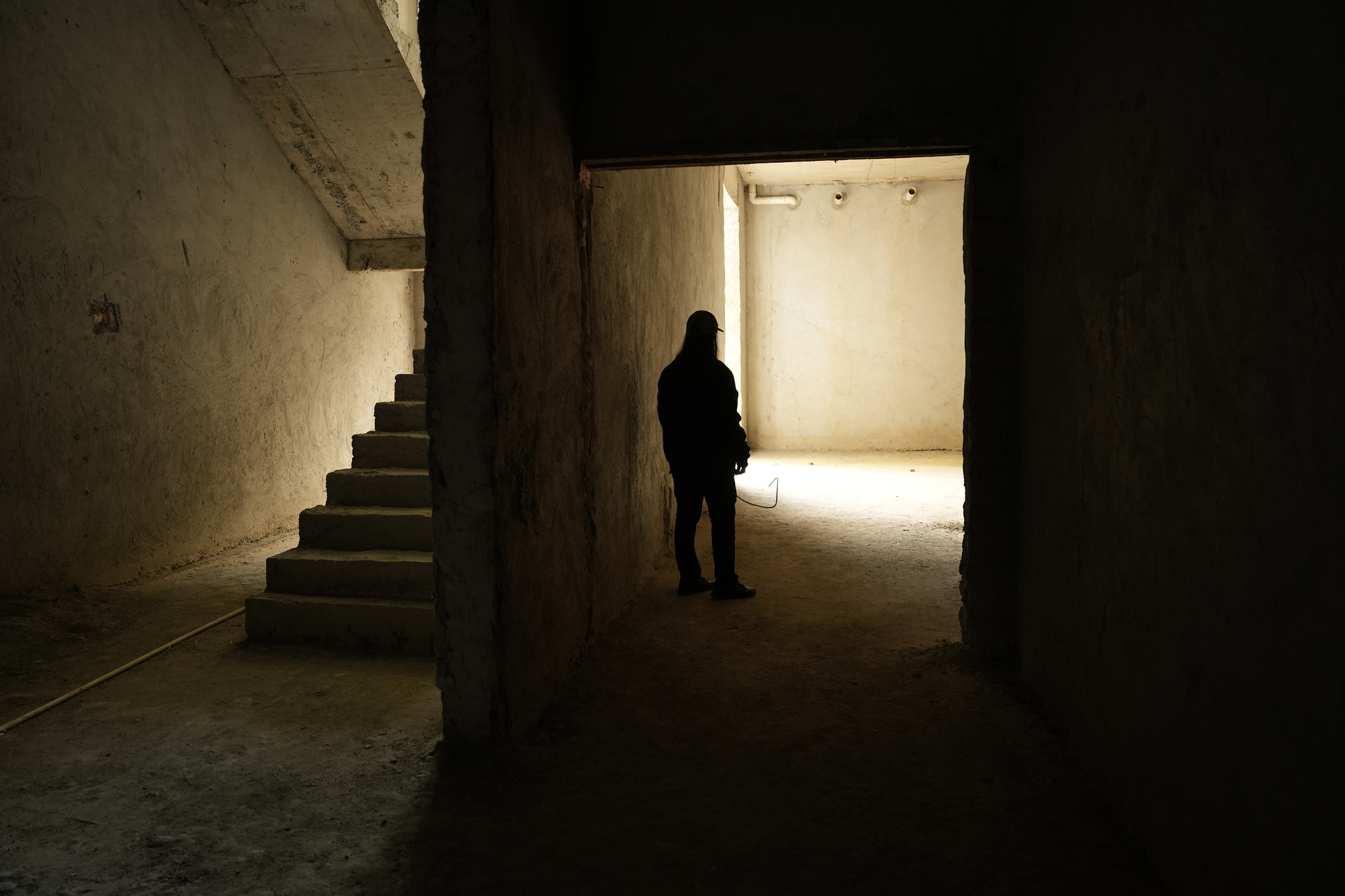
Southeast Asia has become the global hub for cyberscam operations; hundreds of thousands of people have been stuck in compounds in Cambodia, Myanmar, Laos, the Philippines, and Malaysia. These compounds, run by transnational criminal organizations, deal with catfishing money out of wealthy foreign clients online, maintain their operations through forced labor, rape, and torture, having trafficked unsuspecting victims lured in by the promise of a well-paying job. Workers arrive from over 50 different countries worldwide.
Last year, Chinese and Thai authorities began a crackdown on these compounds in Myanmar. The local junta joined the efforts, detaining hundreds and seizing thousands of phones used in the scams.
Some were ticked off before authorities could reach them, beginning a shakeup across these countries that left thousands falling through the cracks and escaping the compounds. They now await repatriation, but the process is slow, leaving many on the streets.
A January report by Amnesty International estimated that the people who escaped or were released from the at least 17 compounds in Cambodia now require urgent assistance in handling this “international humanitarian crisis.”
The Compounds: Forced Labor and Torture
The number of survivors abandoned on the streets of Myanmar and Cambodia has become a humanitarian crisis because repatriations are slow to commence. Charities and aid workers have asked for more support as they struggle with the trauma of the abuse endured in captivity and the financial burdens of getting their passports and finding accommodation.
Amnesty spoke to 31 survivors in Cambodia, all recently escaped or released and almost all foreign nationals, but the NGO estimated that thousands have left at least 17 compounds in the early weeks of 2026 in Cambodia. Those interviewed said the Cambodian authorities were not involved; some escapees were met with beatings, while others left freely.
“I had been in the compound for 12 months, fearing for my life. But one day several of us woke up and realized the compound managers had left the site and the security guards were gone. The doors and gates were left open, and we walked out,” one survivor said.
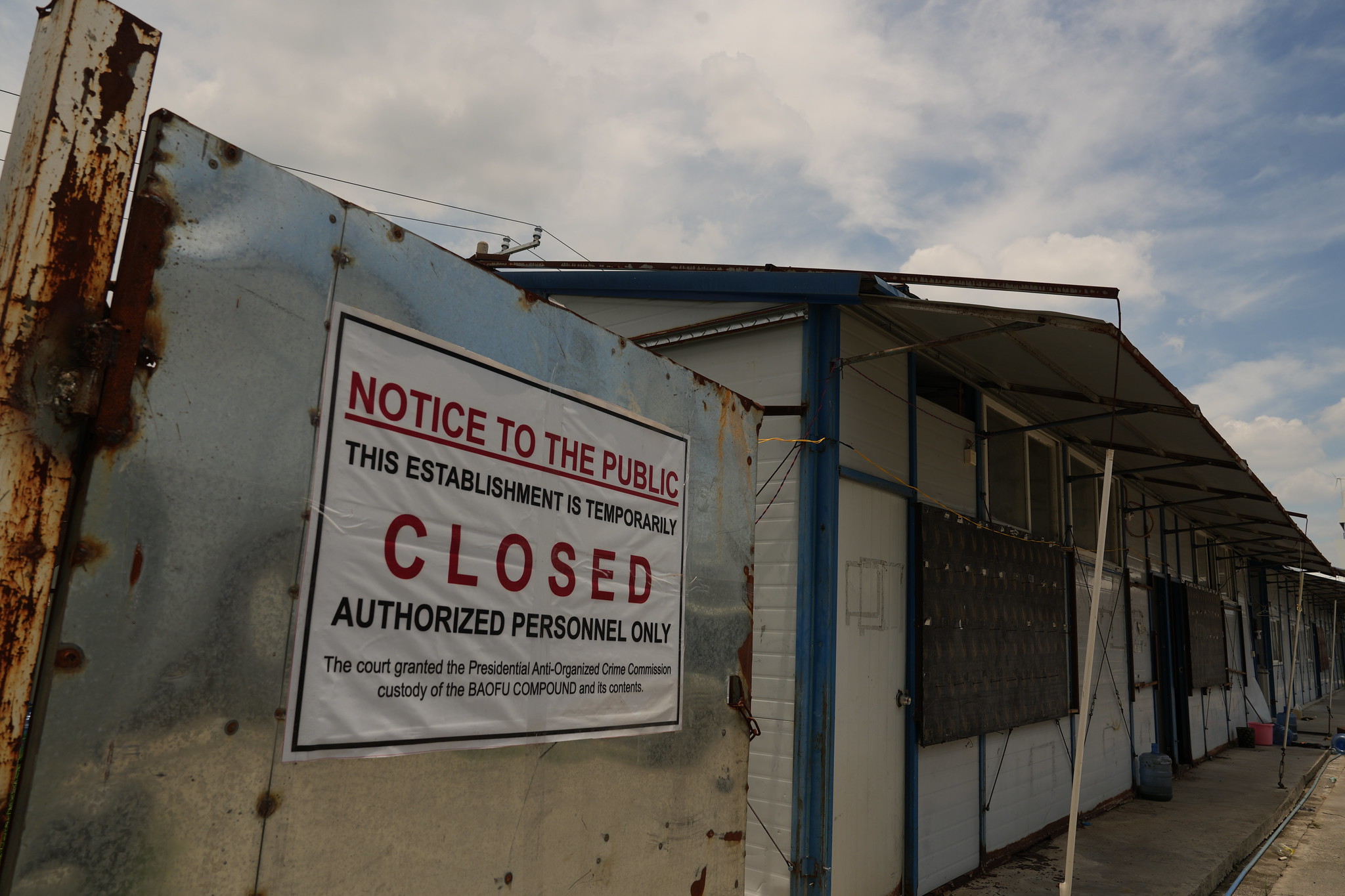
Many died inside the camps due to neglected health issues, in punishment for trying to escape, or from torture. The survivors reported abuses inside the compounds. Managers regularly raped, tortured, and levied brutal punishments on enslaved workers.
“What we are seeing goes beyond cybercrime,” said Delphine Schantz, Regional Representative for Southeast Asia and the Pacific at the United Nations Office on Drugs and Crime (UNODC). “We are witnessing industrial-scale human exploitation. Trafficking victims are being forced to scam others for profit, and they are often the ones who are facing the legal consequences.”
The scam farms became widespread during the COVID-19 pandemic, luring in people across the world with the promise of well-paid IT jobs. They were then coerced to partake in an array of online tricks, including real estate schemes, dating deception, and investment plots. Since the pandemic, they have grown into a multibillion-dollar industry.
An Economic Engine
Some experts are now saying that the governments’ crackdown is too late and even half-hearted “political theatre.”
“It’s a way of playing Whack-a-Mole, where you don’t want to hit a mole,” Jacob Sims, visiting fellow at Harvard University’s Asia Centre and expert on transnational and cybercrime in the Mekong, told the Guardian.
The scam compounds have driven their nails into institutions, corrupting the government and establishing a reliance on the networks, essentially creating “scam states,” similar to narco-states.
It is an economic lifeline for the region: scamming operations around the Mekong generated over $43.8 billion a year, according to the United States Institute of Peace’s (USIP) 2024 report. This amounts to about 40% of the formal economy.
With such money in reach, compounds have grown considerably in the area, with satellite images showing active constructions. The Australian Strategic Policy Institute (ASPI), a defense thinktank, recorded an increase from 11 to 27 scam centers in the area; all expanded in size by an average of 5.5 hectares a month.
Authorities have attempted to shut down electricity and internet access, but many utilize satellites to keep in touch with their victims. Thai authorities reported the smuggling of Starlink equipment to the area as well.
Slow Return for Those Who Escaped
Over 7,000 people were rescued by an operation in Myanmar in February 2025. A further 2,000 were rescued in an October crackdown as well.
China and Thailand have both taken part in the crackdowns out of national interest. China had many nationals held captive in the compounds and others at home falling victim to the scams. The crime syndicates responsible for the maintenance of the compounds are believed to be Chinese as well. For Thailand, the compounds are at their borders, running smuggling operations to supply them.
Those who have been freed, however, receive no help.
“We don’t see the Cambodian state offering victim screening for these individuals or other support that you’d expect in a situation like this: a humanitarian crisis,” said Montse Ferrer, Amnesty International’s regional research director. “And NGO support is insufficient, especially in the wake of widespread aid funding cuts over the past year.”
Many victims have been getting arrested for taking part in the illegal operations; others are left on the streets to fend for themselves. Most victims report their papers were taken away when they were pressed into scam work, so most struggle to get passports before being allowed to return home.
Earlier this month Indonesia started the repatriation of 3,600 of its citizens from Cambodia. About 225 returned independently. Many of them are expected to be prosecuted.
The Commission for Combating Online Scams in Cambodia reported 130,000 people left Cambodia between January and early February in 2026. Additionally, a little over 14,000 foreigners have been deported, according to the Justice Ministry.
Such Operations Are Widespread
In November, Elon Musk’s X rolled out a feature revealing an account’s location, which exposed global troll farms influencing political discourse on the platform. Many of these accounts were located in Nigeria, Bangladesh, Eastern Europe – or Southeast Asia.
“Now we can see that many of the accounts in this specific network are linked to Southeast Asia, which brings us closer to understanding who might be behind them,” Benjamin Strick, the London-based director of investigations at the Centre for Information Resilience, told AFP.
The scam industry is expanding not just in size and ambition but also in operations. As more victims emerge, authorities need to step up. “There’s no excuse for governments to say they do not have any resources,” Tomoya Obokata, UN special rapporteur on contemporary forms of slavery, said.
