
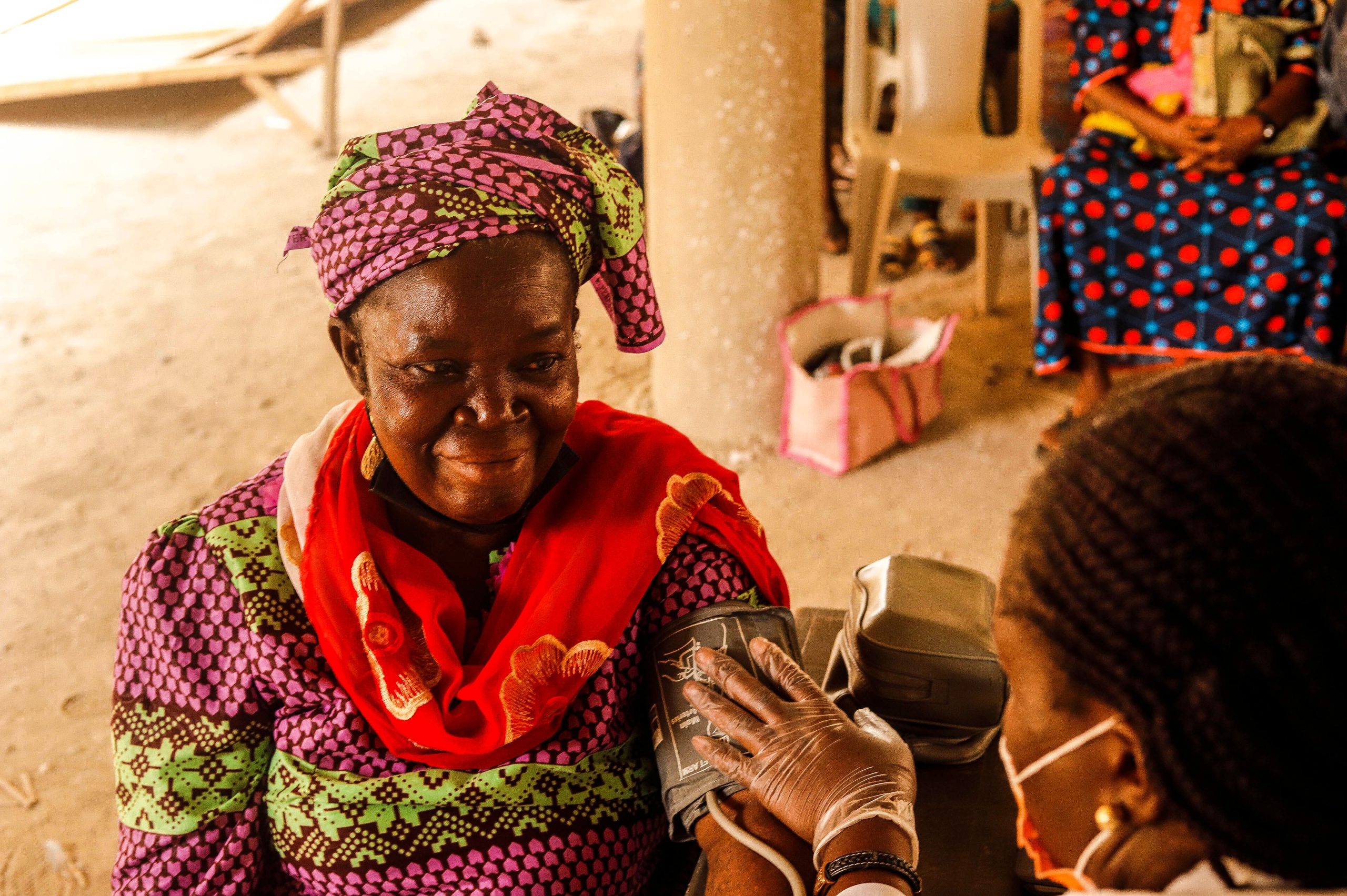
Migrants in South Africa have suffered severe health tolls as protests against illegal immigration have prompted many to avoid visiting medical facilities or forced them to leave the country entirely, aid groups warned last week.
Children, pregnant women, and people travelling with newborns have been most affected, while others suffered physical injuries, respiratory infections, high blood pressure, and gastrointestinal issues during rushed journeys home from South Africa, they said. Many migrants receiving treatments for HIV, tuberculosis, and other ailments have experienced severe disruptions in their care.
Protests Escalate Across South Africa
In early October, violence erupted after disinformation spread across the country about a court ruling on asylum seekers.
Demonstrations demanded refugee centers stop processing asylum applications after a July Constitutional Court decision removed procedural barriers for asylum applications, including for people who arrived illegally, lacked visas, or missed reporting deadlines. After implementing the ruling, asylum offices were overwhelmed by applications.
Government spokesperson William Baloyi said the court ruling had been seriously misrepresented as it did not automatically grant refugee status or even permanent residence.
But protesters perceived immigrants committing crimes, taking jobs amid high unemployment and overburdening public services. Demonstrations turned into unrest, with vehicles torched in Johannesburg and Durban. In late October, a foreign citizen was beaten to death on the sidelines of a march in Durban.
Tens of thousands have voluntarily repatriated to their home countries, including Malawi, Nigeria, and Ghana, due to the unrest.
Blocking Healthcare
In November, an anti-migrant group called Operation Dudula began blocking health clinics from foreigners, stating that medication was in short supply. South African authorities reiterated that healthcare is available to all under the law, while the Johannesburg High Court rules the group’s actions unlawful.
“There are seven million undocumented South Africans,” Dale McKinley, spokesperson for Kopanang Africa Against Xenophobia, a national coalition of civil society organizations, said. “Many of the people they are preventing from accessing services are South African citizens who simply do not have documentation themselves.”
“Many migrants at displacement sites reported not accessing healthcare for many months, and up to a year in some cases, due to fear of being turned away or harmed,” said Claire Waterhouse, the Doctors Without Borders advocacy director for Southern Africa.
Doctors Without Borders is just one among the organizations setting up parallel centers for treatments to contain chronic infectious diseases, including HIV or TB. The disruption of treatment for these illnesses risks resistance in wider populations as well.
Uncertain Future
Aid groups have called on other governments to adequately reintegrate their returned citizens into their healthcare systems. Additionally, the rights group Section27 is pursuing a legal case against the Gauteng Department of Health and the city of Johannesburg.
To aid those in need of urgent help, sites have been set up at the Beitbridge border post and the Nyamapanda border between Zimbabwe and Mozambique, as well as in Cape Town, Johannesburg, and Musina near the border with Zimbabwe.
