
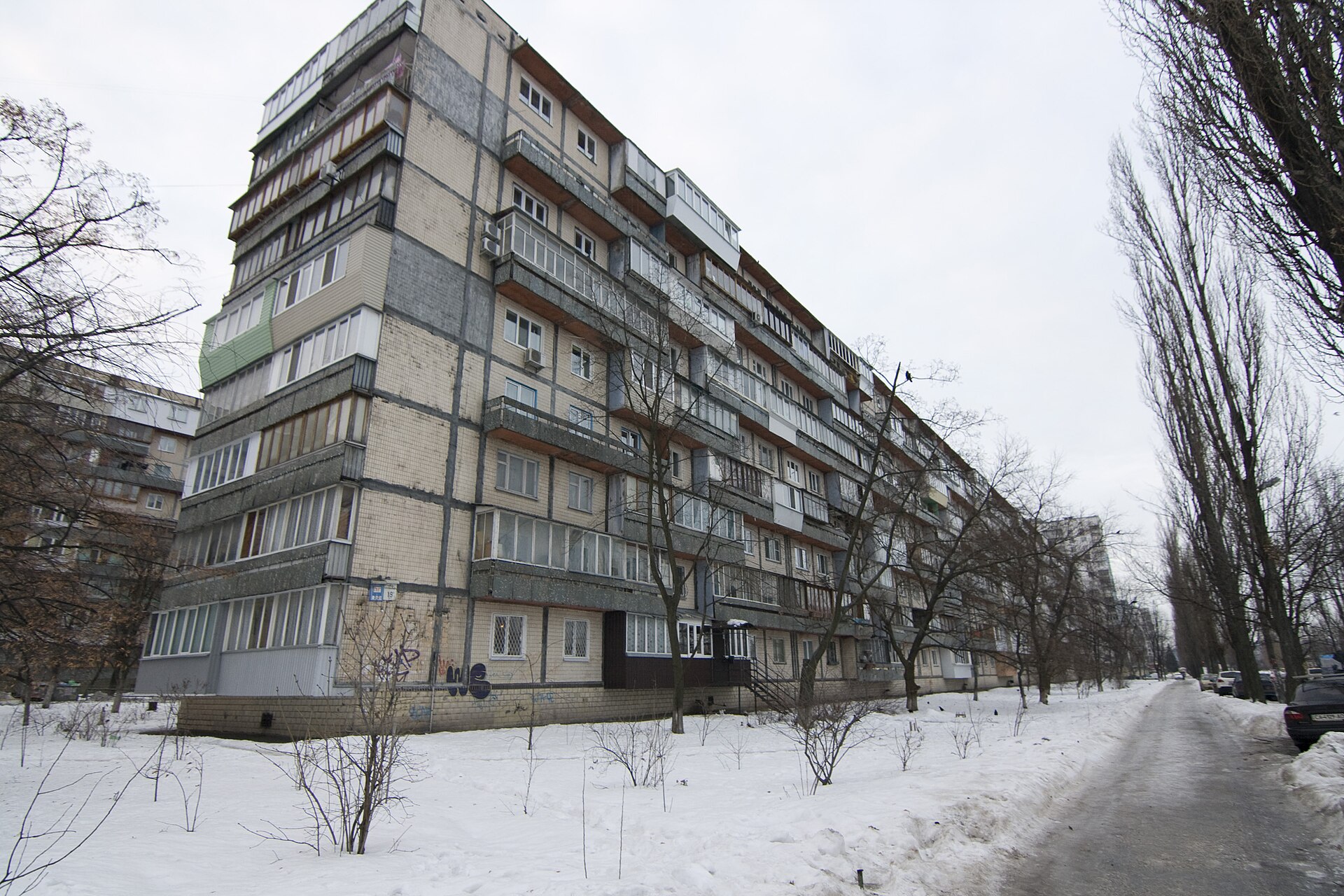
Russian missile and drone strikes against electricity networks, heating plants and transport links threaten civilian life while adding pressure to the military. The coming months will test both Ukraine’s defences and families’ ability to remain in their homes.
A Battle for Heat and Power
On October 17, President Volodymyr Zelenskyy said Russian attacks had targeted more than 15 critical power-generation and transmission facilities. As Deutsche Welle reported, he accused Moscow of attempting to cause widespread blackouts before winter. Russia has acknowledged strikes on infrastructure, saying some industrial targets support Ukraine’s military.
In cities reliant on central heating, a damaged plant can leave entire neighbourhoods cold. Without electricity, water pumps, lifts and communications may fail, while hospitals must rely on backup power. Repeated attacks also risk exhausting repair crews and spare parts faster than services can be restored.
Cold weather will also shape the fighting. Autumn mud can slow armoured vehicles and supply convoys before frozen ground changes conditions again. Soldiers need fuel, shelter and working batteries, while short days and poor visibility complicate operations for both armies. Winter is unlikely to offer either side a decisive advantage by itself.
The Decision to Stay or Leave
For civilians, the calculation is personal. The BBC has talked to Mariia Shostak, a Kyiv mother of two, is preparing to spend winter in Egypt rather than endure another season of freezing conditions and attacks. Others are heading to rural houses with independent heating. Many cannot afford to leave, or will not abandon jobs and relatives.
The dangers are greatest for children, older people and those in damaged homes. A blackout can mean lost income and interrupted water supplies; a heating failure in freezing weather can become a health emergency. Even when homes remain intact, constant alarms and uncertainty exact a psychological cost.
Refugees Face Another Uncertain Season
The pressure could spread across borders. According to Reuters, the UN migration agency estimates that about 3.6 million people remain displaced inside Ukraine, while around six million Ukrainian refugees are hosted in European countries. Worsening living conditions may trigger further departures, including among people who had returned to damaged homes.
For Ukrainians already abroad, another harsh winter could delay their return, extend family separations and complicate choices about work, schooling and housing. Host countries may face renewed demand for accommodation and services, while aid organisations warn of funding shortages.
Not everyone will flee, and conditions will differ by region. Repair crews and local communities have repeatedly restored services under fire. Yet resilience alone cannot guarantee warmth, water or safety. For millions of Ukrainians, the winter’s most important outcome may be measured less in territory gained than in whether their homes remain liveable.
