
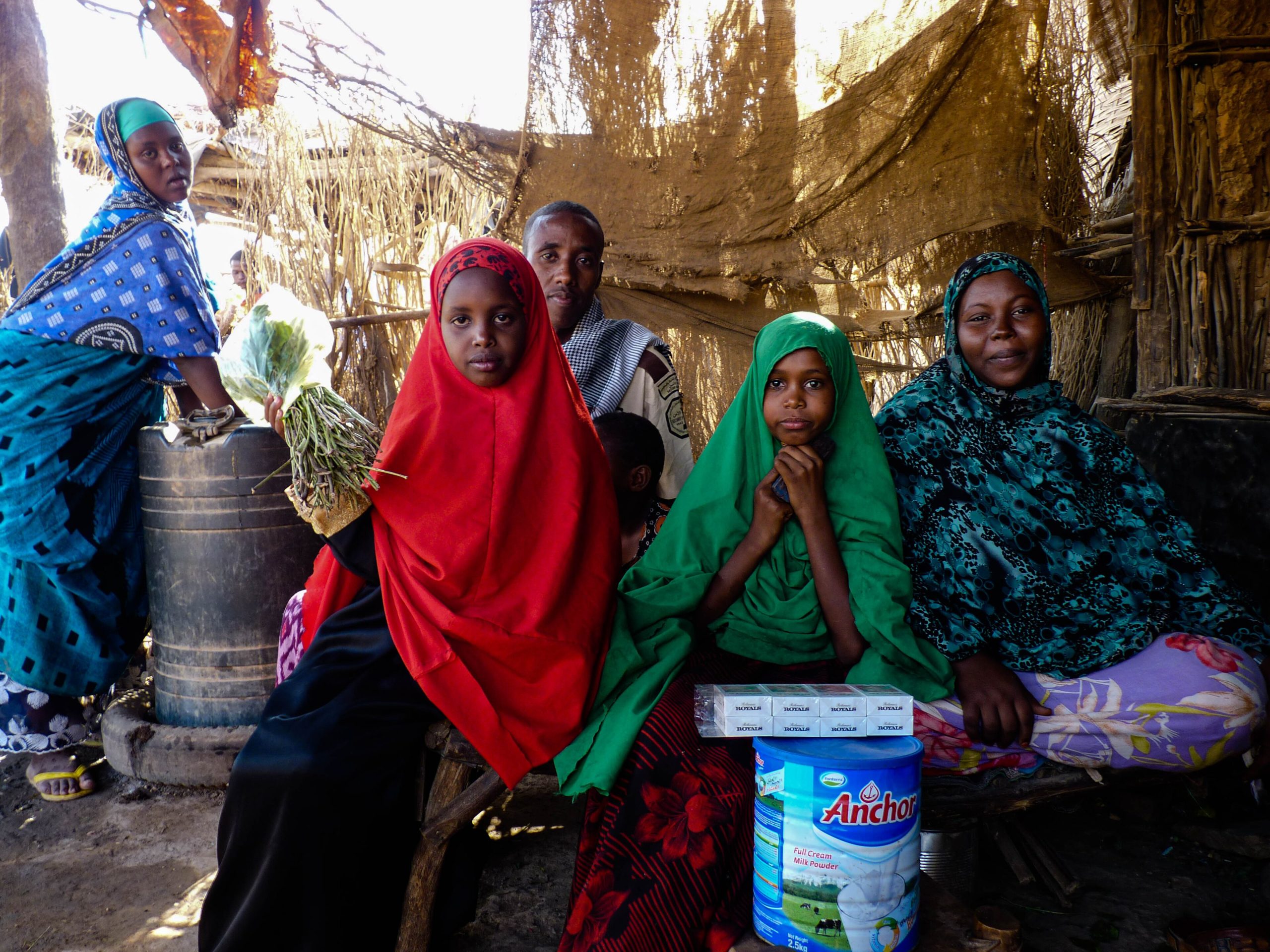
Ethiopia is introducing the Fayda Digital ID, which provides all residents with a 12-digit unique identification number that is used to identify everyone using biometric technology. This allows all refugees and asylum seekers aged 5 years and above, both in urban settings and camps, to open bank accounts, access education, and purchase SIM cards, among many other benefits.
The ID Scheme and Its Advantages
As the ID is issued in general “for residents”, an explicit intention of the program is to equally involve those without citizenship or even official status, providing a modern solution to an issue that many Somalian refugees have been struggling with for 15 years. After a consultation with camp community leaders, the refugees receive identification numbers that grant them citizen-level access to state services, replacing the simple piece of paper they previously had, which was only recognized by their local camp leaders.
Abdullahi Sheik Barrie, a local UNHCR field associate, told France24 that over 120,000 IDs have been issued, with 400,000 refugees and asylum seekers having started the process. Ethiopia’s goal is to reach 1.1 million refugees by 2028.
The program aims to ensure that all residents can access essential services and are included in the formal economy and its growth. This also means the government can forgo systemic vulnerabilities such as double benefit collection within social programs and ghost accounts across agencies while boosting trust in digital services and Ethiopia’s digital economy.
“Through this system, women, refugees, internally displaced persons (IDPs), the homeless, and other marginalized communities now have the necessities to rebuild their lives and integrate fully into society,” Maryam Salim, World Bank Director for Eritrea, Ethiopia, South Sudan, and Sudan, said in early 2025. The National ID Program received $350 million in support from the World Bank in early 2025, a year after its initial launch.
Do Digital Systems Fail Migrants?
Many argue, however, that the inclusiveness of a digital ID program is debatable, based on case studies from across the world.
Researcher organization Caribou’s Digital Identity and Migration Report unveils that the digital nature of identification often leaves migrants excluded by design, such as the EU’s Digital Wallet, which can only be accessed by official EU residents; not refugees lacking status. Others are a tool of enforcement, like the BritCard, a mandatory, universal digital identity for all UK residents, with the explicit aim to identify illegal immigrants through bureaucratic checks.
There have been more inclusive attempts that failed due to lack of funding, like the Red Cross’ DIGID Initiative in Kenya. In this case, a foreign system was attempting to provide humanitarian aid but failed to do so because it was not integrated with Kenyan services and systems.
Overall, the report concludes that these solutions often “distract from deeper political challenges” and “cannot substitute for the political reforms needed to address fundamentally political challenges surrounding the socioeconomic exclusion and marginalization of migrants and refugees.”
Commercial involvement, surveillance, and security vulnerabilities also undermine the potential success of these systems, the report warns.
Digital Migrant Justice
The issue of privacy and surveillance is especially paramount for migrants who are much more vulnerable to being tracked and are especially endangered by it as they flee potential persecution in their home countries.
The UK Home Office, for example, has the authority to access personal information, from a home address to hospitals, schools, and job centers. The UK-based human rights organization Open Rights Group says this is used to track down individuals for “immigration, detention or deportation in a digital hostile environment.”
“Migrants, refugees and asylum applicants are being subjected to increasing levels of surveillance through data collection and sharing between government agencies, as well as through immigration technologies run by third party organisations. We are calling for Digital Sanctuary,” their Digital Migrant Justice Project reads on the website.
Ethiopia’s system is attempting an egalitarian access approach to its own digital ID system, which is implemented by international actors, like the UNHCR and the World Bank’s Digital ID For Inclusion and Services Project (NIDP), underpinned by local aid from the Ethiopian government’s leading office protecting refugees, the Refugees and Returnees Service (RRS), which coordinates refugee assistance throughout the country, including in camps. The approach inverted the usual process, tailoring international standards to the local context and capacity.
According to the UNHCR’s overview of the Fayda program, the data is available to the three organizations, as well as public and private sector partners of NIDP, but only when those holding the data approach them for identification. The program explicitly states no country of origin will be privy to the data without the individual’s consent.
A Continued Process
The research nonprofit Digital Impact Alliance regarded the Fayda program as a major success story when it came to simultaneous improvement and growth. By keeping on-site contact with locals, the program ensures the digitalized system remains in connection with its original ecosystem.
Whether this program will endanger Somalian refugees remains to be seen; but it shows a lot of promise in terms of inclusion and privacy protection. What began in 2024 continues to improve as it nears its 90 million target until 2028.
