
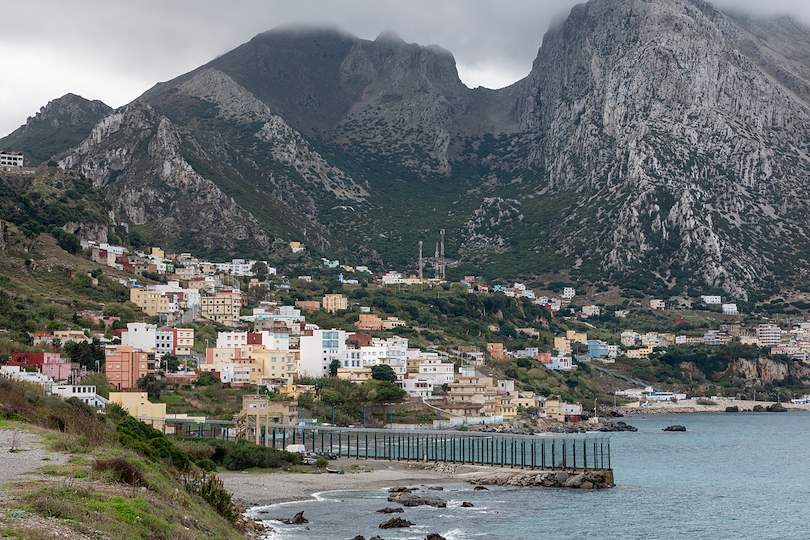
On 31 July, tens of thousands of migrants crossed into Spain’s Ceuta territory in North Africa creating a chaotic scene that killed 77 people and injured over 1,000, according to Al Jazeera’s report on 2 August.
What has happened and what is the reaction across Europe and beyond?
The Crossing
Ceuta and Melilla are the only two territories where Europe shares land borders with Africa. As such, they have been favored crossing spots; they mean an entry to Spain, a country that has provided many illegal immigrants with legal status and jobs.
This was not the first crisis in crossings. There was a surge at the end of 2016 reaching into the beginning of 2017, when 400 migrants crossed the fence, injuring Spanish officers. In 2021, an estimated 6,000 crossed, some by sea, others on land, with many drawing connections to diplomatic tensions with Morocco, over the treatment of a Western Sahara independence leader for Covid-19.
This time, tens of thousands swam around the border, only to face authorities attempting to keep them back using water cannons, tear gas, and warning shots. Many drowned while swimming across, others were trampled in the stampede to cross the breakwater barrier. Spain has since also installed a floating barrier on the sea.
Morocco’ Interior Ministry blamed the surge on an online “spread of misleading information” caused by the “malicious exploitation” of social media. They also cited the “misinterpretations of legal provisions,” referencing the July 8 Spanish Supreme Court ruling that prohibits the return of migrants that arrive by sea without due process.
An Orchestrated Event?
The rapid surge prompted many to suggest that the migrants’ journey may have been orchestrated in an attempt to weaken the EU; a tactic previously used by Russia and Belarus at the Eastern borders.
Morocco has had a tenuous relationship with Spain, as Morocco does not recognize Spanish authority over Ceuta and Melilla, viewing it as occupied territory. Furthermore, Morocco’s control over the Western Sahara, a former Spanish colony, remains internationally disputed. The Polisario Front represents the local indigenous people’s opposition and pro-independence stance; when their leader was treated for Covid in Spain, their relations soured further with Morocco.
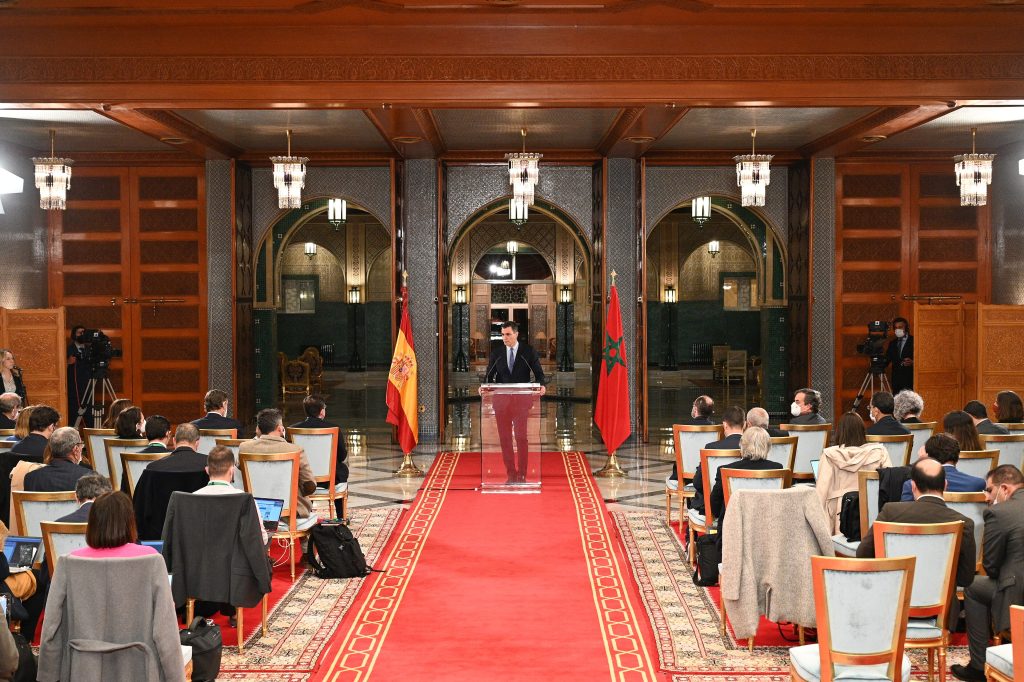
This time, relations turned for the worse once again as Sánchez made an official visit to Algeria, a supporter of the Polisario Front. Coupled with Morocco’s history of abusing the border, many speculated this was a warning. Morocco is also on good terms with Israel and the US, both of whom have strongly criticized Spain’s migration policies and pro-Palestine stance.
El País was informed by Spanish intelligence sources that the influx’s origins most likely stemmed from a hoax that quickly went viral on social media following the ruling by the Spanish Supreme Court. Morocco eased its border control then completely lifted it last week, allowing people through.
Matteo Villa, a migration researcher at the Italian Institute for International Political Studies, told The Guardian politics was most likely involved. “I mean, 50,000 people do not come overnight when usually it’s hundreds per month. Sánchez going to Algeria is something Morocco didn’t really like,” he said, adding that this was Morocco’s show of having “the upper hand,” expecting strong reactions from Europe. “They love seeing all the fighting between European countries.”
Many also blame smuggling networks cleverly utilizing the situation to their advantage.
The Reaction
Ceuta is a territory of only around 84,000 people and its reception centers were overwhelmed as the arrivals numbered around 70% of the local population. The enclave shut down for the weekend, only reopening shops and restaurants cautiously this last weekend.
“Honestly, it was frightening. When that whole crowd came rushing in… yes, we were scared. We really were. Then the Armed Forces arrived—thank God—and they managed to restore some order,” one local told Euronews.
The outlet found that even when the emergency and 24-hour sheltering for the locals was lifted, some migrants remained wandering the streets, though authorities believe that most of those who remain on Spanish soil have gone into hiding with family and friends.
“I came here to find a new life. My father, my whole family, they’re poor. Now we’re here, trying to survive, sleeping on the streets. Life is really hard,” one young migrants told Euronews.
Italy was first to respond, reintroducing Schengen border checks for travelers arriving from Spain, in what the Minsitry of Interior called “targeted and selective” checks on Non-EU travellers, according to Euronews. France and Portugal have also strengthened borders.
“The images coming from Ceuta are shocking and demonstrate, once again, that uncontrolled illegal immigration poses a real threat to the security of Europe’s borders,” Italian Prime Minister Giorgia Meloni wrote on X.
Spanish Prime Minister Pedro Sánchez pushed back on X, saying “solidarity and empathy are optional. Respect for European treaties and the facts is not,” and called for “a strong and united European Union.” Spain’s Foreign Ministry also stressed that the crisis “has nothing to do with the regularisation of migrants approved by the Spanish government,” but instead was coordinated by mafias after the court ruling.
“The situation in Ceuta is unacceptable and I am in close contact with the Spanish authorities. I reiterate that there are no movements towards mainland Europe or other member states,” European Commissioner for Home Affairs Magnus Brunner wrote on X.
“The Schengen Borders Code,” he added, “contains special provisions that apply to Ceuta and Melilla, and checks on people departing from Ceuta remain in force.”
The EU in Turmoil Once Again
An open letter from 22 EU leaders is the most striking evidence that the issue divides Europe, as they called for “coordinated action and the strengthening of external borders.”
“We cannot allow uncontrolled mass crossings, the instrumentalisation of migration or other hybrid threats to create the perception that illegal entry into the European Union is possible. And, that a migrant’s illegal entry can turn into legal stay,” they said.
Ireland, currently holding the rotating presidency of the Council of the EU, called for an emergency meeting. Talks are ongoing regarding what to do but suggestions include reintroducing internal border controls and enhancing Frontex’s role.
Spanish Interior Minister Fernando Grande-Marlaska said that by Saturday, 1 August, almost all migrants had left the territory; some were deported, others returned voluntarily, with many still stranded in Spain, including minors.
“On Ceuta, political games are being played over the lives of people on both sides of the border,” said Michele LeVoy, director of the Brussels-based Platform for International Cooperation on Undocumented Migrants. She argues that Europe’s inaction to address the root causes of migration lead to the crisis. “We need regular pathways for people to move in safety and dignity.”
