
More than 14,600 people have been deported from Algeria to Niger since the start of the year, migrant charity Alarm Phone Sahara reported via InfoMigrants. As a result, there have been well over 82,000 people returned from Algeria since the start of 2024. Assistance is becoming increasingly scarce, and the situation in the dangerous border region is still dire.
Between January 18 and May 17, 2026, 14,602 migrants were sent back from Algeria to the border region of Niger, according to Alarm Phone Sahara.
Many of the deported are thought to be Nigerian citizens, including children, but there are also a great number of foreigners among them, primarily from Mali, Guinea, and Nigeria. But there are also reports of people being sent back to the border region from as far away as Bangladesh.
The majority of non-Nigerien nationals deported from Algeria are usually sent back by force in “unofficial deportation convoys,” whereas Nigeriens are typically sent back through official channels between the two neighbouring countries.
Alarm Phone, however, has now voiced concern over the fact that a growing number of Nigerians who were sent back are also included in the unofficial convoys.
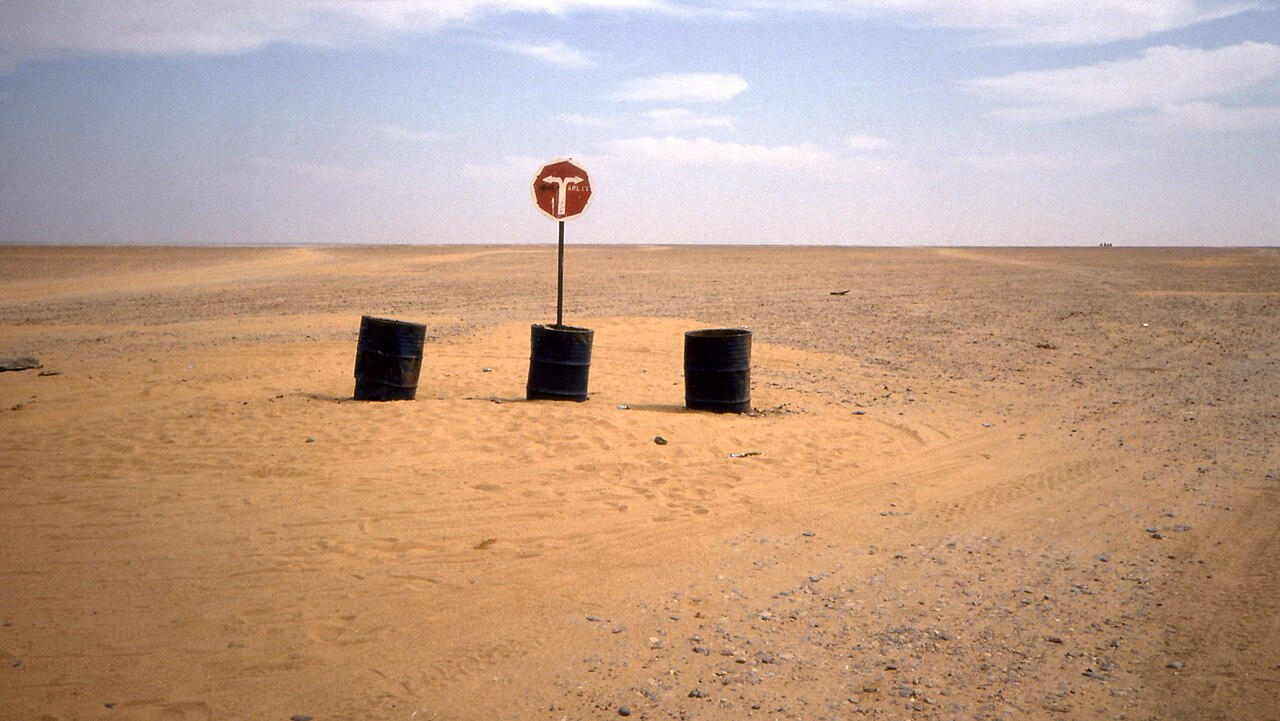
Algeria is known to regularly deport large numbers of migrants to “Point Zero” or “The Dune,” which is located in the Sahara desert near its border with Niger. This location is roughly 15 kilometres from the town of Assamaka, and the number of deportations to this area has increased dramatically in recent years.At a border crossing known as “The Dune,” migrants are routinely rounded up, stripped of their possessions, and left behind.
In order to get to Assamaka, they have to march 15 kilometres through intense desert heat, according to Alarm Phone, which also notes that the actions of Algerian authorities are unquestionably pushbacks.
Over 34,200 people were deported from Algeria to Niger in 2025 alone, and an additional 31,400 were returned the year before.
Based on the Alarm Phone, “it is certain that the real number far exceeds the documented figures [in 2025], given that in several cases, local structures have not been able to count the number of people who had embarked on these convoys.”
Those Deported are in Serious Danger
Deportations to the border area are extremely risky. There have been numerous reports of migrant deaths in the dangerous desert area over the years. Alarm Phone notes that 49 people were discovered dead in the area last month. “They can get lost, die of dehydration, or fall victim to criminal groups,” the report states.
Even those who make it through the journey still face potentially fatal risks: “[D]eportations from Algeria are synonymous with systematic violence, theft, and trauma inflicted by Algerian security forces,” Alarm Phone notes in its report, emphasising that physical abuse has increased recently.
As a result, many Nigerians experience secondary displacement within their own nation.
In the meantime, more and more individuals from other parts of Africa are being forcibly relocated to the desert region.Nationals from Sudan, where the conflict since 2023 has resulted in the largest displacement crisis in the world, and Chad, a neighbouring nation that has also endured years of conflict and violence, are frequently among those deported, according to Alarm Phone.
“In the scenario of mass deportations, victims of war and displacement are caught in a limbo and pushed around between borders,” says Alarm Phone, adding that authorities in the porous border region also wind up sending migrants back and forth between the two territories.
