
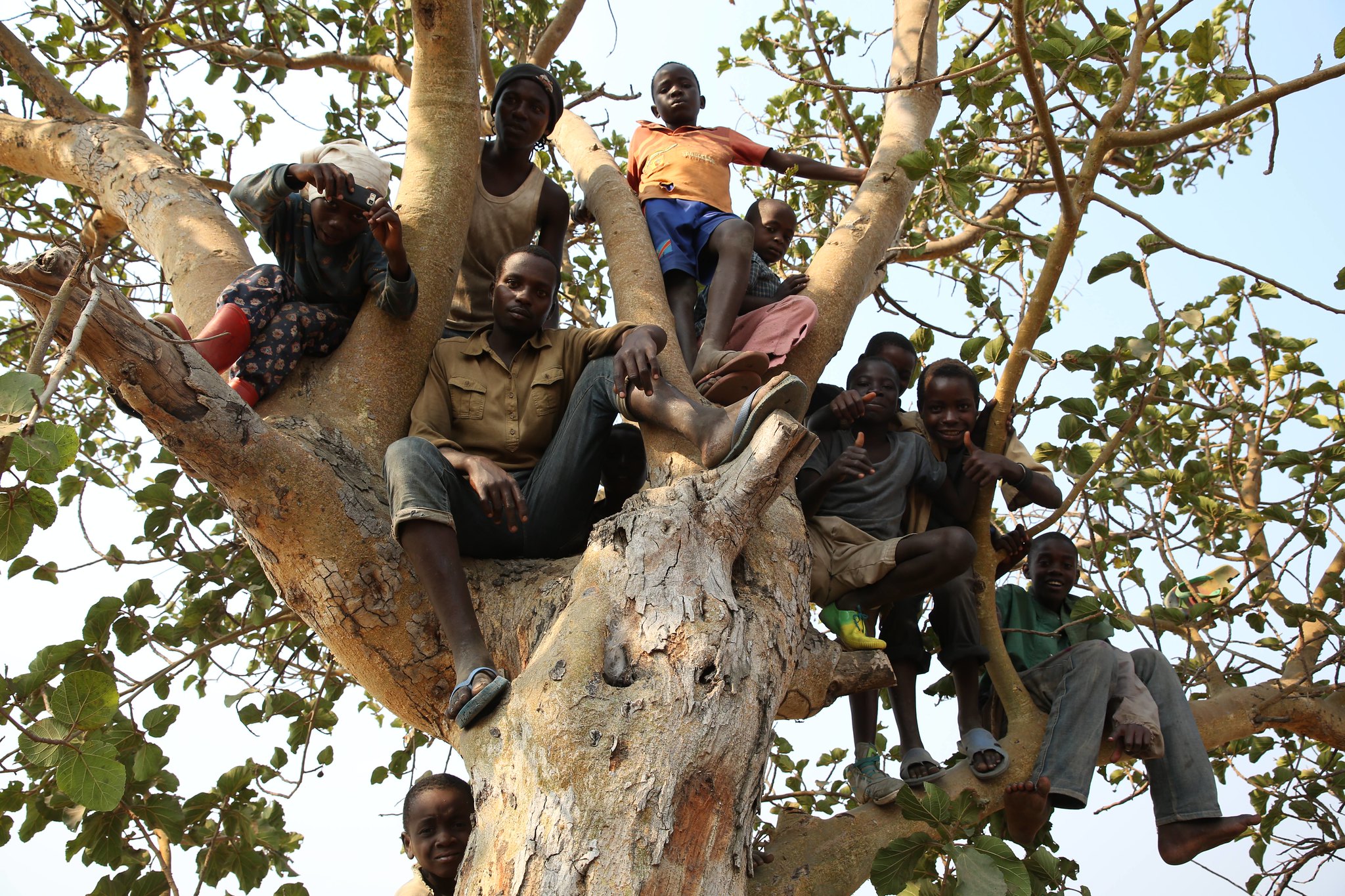
Despite the peace brokered by the US in December 2025, violence renewed in the Democratic Republic of Congo’s (DRC) eastern provinces of North and South Kivu just days after the peace deal. The recent conflict between the DRC and Rwanda’s M23 rebel group began in 2022 but reignited in 2025 and has continued into 2026.
The fighting has caused a major humanitarian crisis, displacing at least 7 million people. According to data published by the United Nations High Commissioner for Refugees (UNHCR) as of 31 January 2026, over 1.2 million refugees originate from the DRC. Most were reported by the Ugandan government by a large margin, accounting for over 650 000 people. Burundi is second, according to UNHCR data, at 109 000. Rwanda, Tanzania, and Zambia follow with 79 600, 77 000, and 72 400.
While each nation struggles with the recent surge in migrants and their movement, several humanitarian agencies have highlighted the situation in Burundi, where, according to a February 2026 UNHCR situation report, the number of resident refugees has increased to over 90,000 just in the past three months, putting significant strain on the poor country.
The DRC Conflict is Escalating
Eastern DRC is rich in natural resources, making it a turbulent territory with frequent armed conflicts. M23 is just the most recent militant group, backed by Rwanda, to attempt taking the territory since war began in the late 1990s. Fighting frequently ensnares civilians.
Skirmishes renewed when armed groups attacked once again in early 2022. The 2023 elections led to political unrest, escalating the fighting further.
The presence of the United Nation’s Stabilization Mission in the DRC (MONUSCO) remained a continued controversy, with many attacks on the peacekeeping force leading to the UN eventually beginning a disengagement plan, currently underway. But the Congolese military remains engaged in fights with both M23 and the Allied Democratic Forces (AFD), a Ugandan-affiliated force, to this day.
As such, the relations between DRC and its neighbors, the countries that take the brunt of its migration crisis, are fragile, leaving most of the work to international organizations.
As of January 2026, the World Food Program reports that 26.6 million people are struggling due to acute food insecurity. The Council on Foreign Relations reported that the fighting has claimed 6 million lives since 1996. There has also been an increase in reports of sexual and gender-based violence.
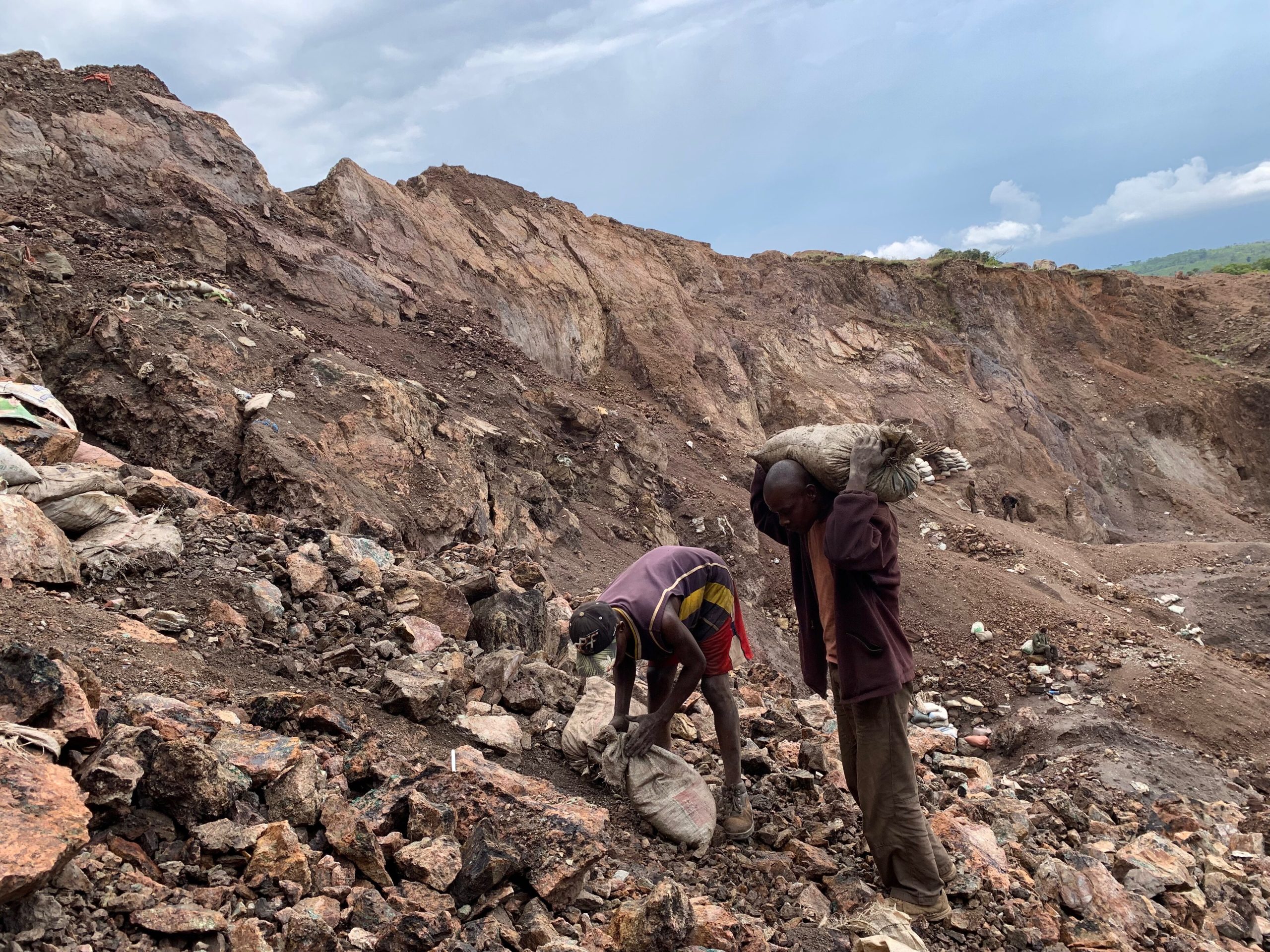
Human rights are frequently ignored as people are denied healthcare, water, food, and housing. Freedom of expression and assembly is severely limited, with frequent arbitrary arrests and detentions without trials. Mining project expansions, leading to forceful evictions, are also to blame for these violations.
Doctors Without Borders (MSF) also reports a cholera endemic in the east, along with measles and mpox. Due to the fighting, many facilities are abandoned or lacking essential services. Frequent displacement means people are constantly on the move, settling in places ill-prepared for medical emergencies. MSF is also present in Burundi, where many have fled most recently.
Burundi in Crisis
As of 24 February 2026, over 90,000 refugees reside in Burundi, having escaped the DRC’s conflicts in the past three months. This includes roughly 10,000 Burundian nationals who fled the fighting, and additional reintegration is underway as more nationals return from exile in countries like Tanzania, according to the UNHCR.
UNHCR’s Assistant High Commissioner for Protection, Ruvendrini Menikdiwela, highlighted that while the crisis is escalating, Burundi resources are diminishing, leaving authorities unable to respond efficiently.
The money required to provide aid was estimated to be $35 million for this year, only 20% of which has been received.
Burundi hosts over 230,000 refugees, mainly from the DRC. Busuma refugee camp, near Ruyigi, is the largest, with 65,000 residents, according to MSF’s January report. UNHCR reported in February that 66,000 Congolese refugees now reside at the site.
“When war begins, you take what you can in your hands and run,” 35-year-old Dieudoné Muka told the Guardian in the camp. “They bomb, and the others bomb back. Over and over again.”
He fled with his family without taking anything with them. “It was better that I made sure my wife and children were safe, even if that meant losing everything else.”
“I have grieved for the people and things I lost. I’m not going back,” he added.
A UNICEF report stated in early February that UNHCR was preparing some to be relocated to a new Musenyi 2 site. The original Musenyi refugee site hosted over 18,000 refugees as of 28th February.
Repatriation Efforts Continue in the Region
Burundi has seen many of its citizens return: more than 300,000 since 2017 came home voluntarily. In the first two months of 2026, over 28,000 came from Tanzania. But the UNHCR expressed concern over whether the acceleration was due to the demolishing of refugee shelters. UNHCR has taken part in tripartite meetings, encouraging progress, and vowed it “continues to advocate” to “ensure that refugee rights and needs are safeguarded.”
DRC is also set to receive returning citizens from Zambia after tripartite meetings between Congolese, Zambian, and UNHCR representatives, since officials argue some parts of the country are becoming favorable to settling once more.
However, relocations were also agreed upon in the past, with renewed violence forcing people to flee soon after. Whether this time is different remains uncertain.
