
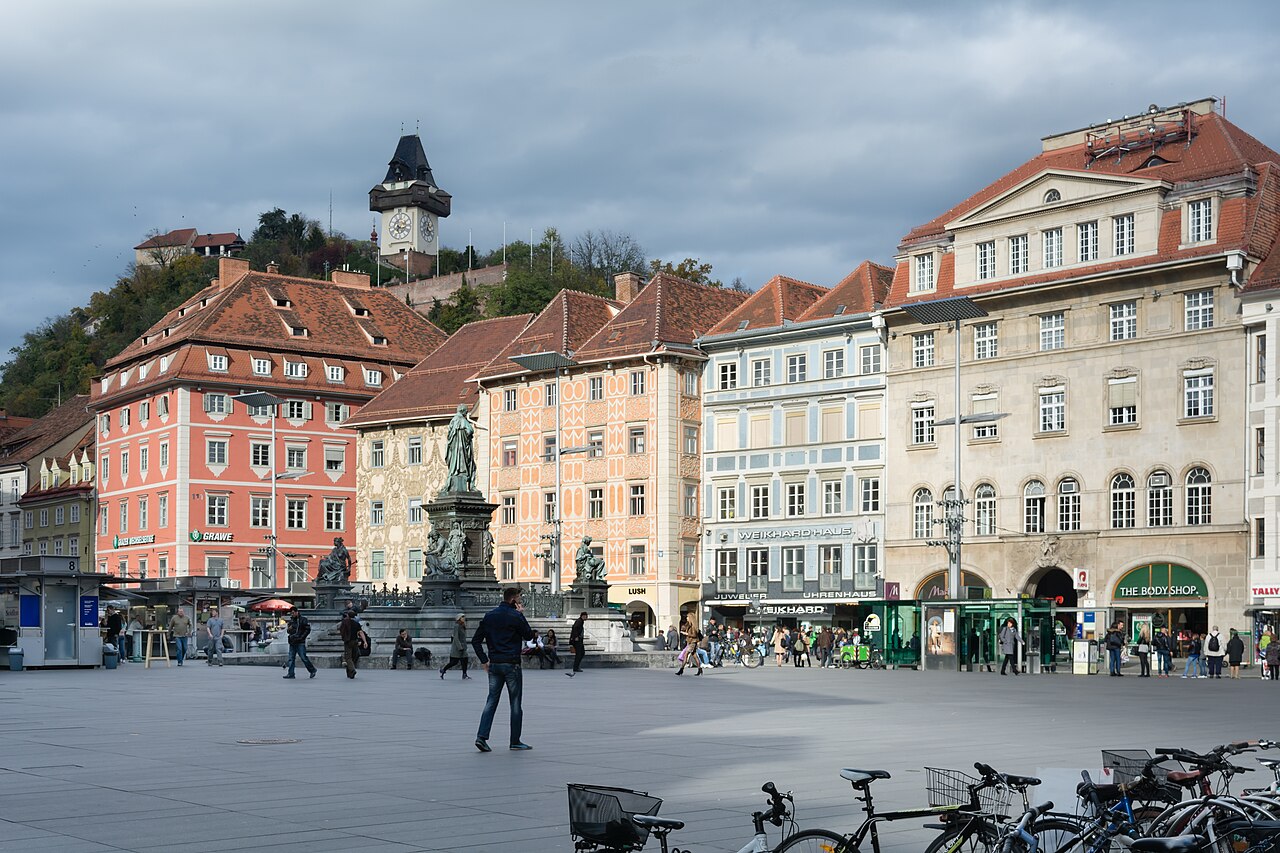
After three decades of work, the purpose of the Migrant Advisory Council in Graz, Austria, is still to advise the city administration on matters pertaining to migrants and to represent their interests. The council is now working to promote democratic participation and grant migrants the ability to vote in local elections after thirty years of effort.
The director of the city of Graz, Austria’s Migrant’s Advisory Council, Godswill Eyawo, told InfoMigrants, “We have momentum on our side.”
The 30th anniversary of the board was recently celebrated. The council is currently working to give migrants the ability to vote in local elections in an effort to “officialise” these concepts of tolerance. Despite living, working, and participating in the county’s social life, immigrants in Graz are unable to vote, according to Eyawo. It was imperative to “address the democratic deficit in Austria,” according to council chairwoman Irina Karamarkovic.
A City Shaped by Immigration
The city of Graz is shaped by immigration. Following significant geopolitical events that caused widespread displacement, such as the fall of the Iron Curtain, the violent dissolution of Yugoslavia, and the genocide in Rwanda, Graz politicians established the council in 1995.
Due to its geographic location and neutrality, Austria has hosted numerous refugees over the years.
A total of 47,000 people, or 16 percent, of the city’s 307,000 inhabitants are non-EU citizens. The countries with the biggest diasporas are Russia (0.96 percent), Serbia (0.60 percent), Ukraine (1.54 percent), Syria (1.27 percent), Afghanistan (1.13 percent), Bosnia and Herzegovina (2.5 percent), Turkey (1.9 percent), and Kosovo (0.59 percent).
Austria forbids dual or multiple citizenships, with rare exceptions, and some migrants, for pragmatic reasons, decided to retain their native citizenship.
According to Eyawo, “our politicians noticed that only Austrians were allowed to vote in state and national elections” in the 1990s. “The constitution states that non-EU citizens are not permitted to vote in elections or take part in the democratic process.”
Amplifying the Voices of Immigrants
Even though they were unable to vote, the Migrant’s Advisory Council gave them a voice,” the director continued. There are currently nine members of the council, each of whom is elected to a five-year term. The day Austrians cast their ballots for their local government also marks the election of the board members. By electing representatives to the council, migrants take part in the democratic process in an indirect way.
Engaging with the city’s activities alters “everything,” according to Karamarkovic. “To participate is to feel accepted and acknowledged as a member of the community. It improves social cohesiveness between various cultural groups, fosters trust, and lessens isolation.
