
A new surge in migration prompts European states to act: many look to the ‘third country concept,’ like Italy, while others attempt to close borders, like Germany. While the issue has been a major topic of discussion in EU affairs since 2015, common migration policy is making slow progress.
What is the EU at large doing to address this salient policy area?
The Pact on Migration and Asylum
Beginning in 2015, the EU faced one of its largest crises; surging migration forced states to integrate on a more political issue that challenged the bloc’s humanitarian identity. It took years of negotiations across several changes in governments, heads of state, and parliamentary representatives, but in April 2024 the European Parliament passed the EU Asylum and Migration Pact.
The Pact, backed by centrist groups to fend off the rising right-wing, outlines a common asylum policy for across the EU, which allows for sharing the burden of frontline states (like Greece, Italy, and Spain) of processing asylum applications and housing applicants, simultaneously speeding up the process. It also involves tighter security measures at the external border and a strengthening of Frontex.
The Pact also stated that migrants will face a thorough examination procedure upon entry to identify their identity and any health or security risk they pose.
External border control
A stronger external border has been a top priority for the anti-migration agenda across Europe. The EU, as part of the Asylum and Migration Plan, is setting up a system of entry that will document biometric data upon entry.
The Eurodac will store the passport and biometrics of any non-EU national who enters the bloc legally or illegally. It will store the information for three years, with free registration. However, those who refuse to provide their biometric data will be denied entry to the EU.
This system will allow a swifter recognition of those who overstay; anyone who remains in the EU after the 90-day grace period will have their data stored for 5 years.
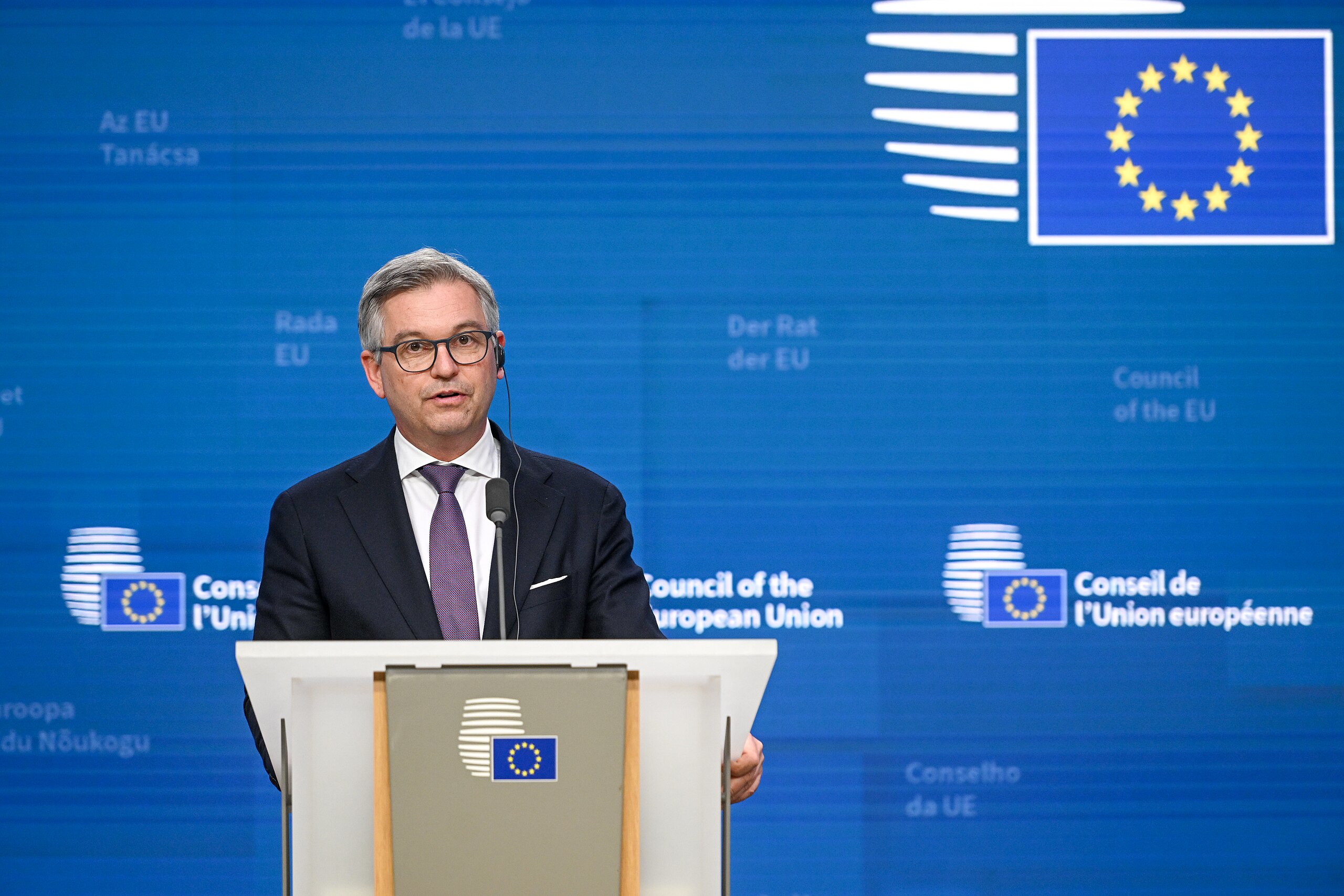
EU Migration Commissioner Magnus Brunner said the scheme will help “identify overstayers, prevent irregular movements, and reduce document and identity fraud.”
The new system was supposed to begin operating last October but was delayed a year due to technical issues.
What happens to migrants?
Where migrants go if they cannot be taken into the EU is another question.
According to the Asylum and Migration Pact, migrants with ‘low chances of being accepted’ will not necessarily be admitted to the EU and would be forcibly returned to their home countries. The proposal also involves the shared responsibility of taking in asylum seekers, but the specifics are far from being ready to be put into practice.
In the meantime, states like Greece and Italy are struggling with overloaded asylum networks as thousands enter the EU through their borders.
Many states have looked at the option of a ‘safe third country’ that could take on expelled migrants; Italy’s deal with Albania was a major example of this. The Commission has also proposed utilizing the concept in practice to speed processes and “reduce pressure on asylum systems.”

However, the Albania ‘system’ has met hurdle after hurdle; the European Court of Justice ruled that the fast-track system, which involved sending migrants straight to Albania for processing, is unlawful for how it listed countries such as Egypt and Bangladesh to be safe.
The ruling says that a ‘safe country’ must be safe for the entire population; otherwise, its persecuted citizens seeking asylum in Italy must be allowed to present their case in Italy before being taken into detention.
Though the EU has risen to the challenge and begun discussing a common migration policy, it still struggles to do so swiftly. Time is of the essence when it comes to addressing this issue, as vulnerable states like Greece and Italy are already struggling, and the increase in anti-migrant riots across Europe also shows that citizens themselves are expecting leaders to act now.

One thought on “EU Tightens External Borders as Migration Increases”