

The highest court advising the government in the Netherlands has announced on Wednesday that sending single, male asylum-seekers to Belgium should no longer be permitted, as Belgian authorities are no longer fit to receive them.
The Administrative Jurisdiction Division of the Council of State, the Netherlands’ highest administrative court and high council on advising the government, has ruled that the “Minister of Asylum and Migration is no longer allowed to return single male asylum seekers to Belgium due to systemic failures by the Belgian authorities.”
The Ruling
The court admitted that the situation has changed since it last formed an opinion, as the number of people on the waiting list for shelter increased significantly. As a result, shelter is not immediately available for ‘non-vulnerable single men,’ and although they can, in principle, use emergency and homeless shelters, it remains unclear which reception spaces are available to them in practice.
The court did not receive word of any incentive to create more shelters, but a response from Belgian authorities revealed that they intend to gradually decrease reception capacity.
The issue of legal protection also concerned the court; according to an Amnesty International report, Belgian judges ruled Belgian authorities violated the right to shelter in over 10,000 cases since 2021 and ordered authorities to provide shelter immediately. When they failed to do so, judges levied fines on authorities, which they also failed to pay.
Since authorities failed to comply with court rulings, the Dutch court ruled they are failing to provide effective legal protection to migrants as well in a series of “structural shortcomings in the area of legal protection.”
The court went on to say this demonstrates the “indifference” of Belgian authorities when it comes to human rights protection.
As such, “the Minister may no longer presume that the treatment of the person concerned in Belgium complies with the provisions of the EU Charter, the ECHR, and the Refugee Convention.”
Belgium and EU Respond
According to the EU’s Dublin Regulation, any EU member may send migrants back to the state where they first entered the EU. This is documented as their point of entry, and it is up to this state to process asylum applications. This system runs on the assumption that asylum systems and authorities provide equal levels of protection and shelter across the bloc.
Belgium has prioritized families, women, and children being admitted to shelters, while single men are required to register on a waiting list.
As of last week, 1,800 men were on the list, “receiving temporary shelters in homeless shelters,” according to Fedasil, Belgium’s asylum agency.
Since, according to this Dutch ruling, Belgium is an inadequate country to provide the necessities, even violating human rights set out in the Refugee Convention and the ECHR, the court argues the Netherlands should be allowed to process single, non-vulnerable men’s asylum applications.
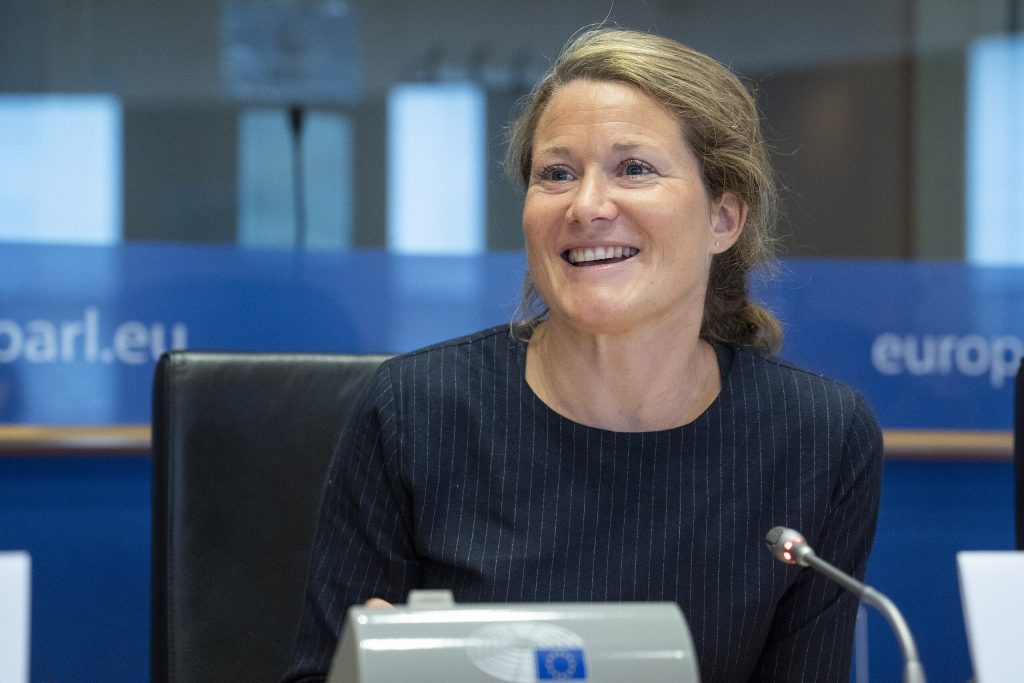
Belgium’s Migration Minister Anneleen Van Bossuyt argued that the issues are the result of “years-long structural overburdening” and not the authorities’ indifference, something she says isn’t a uniquely Belgian problem but an EU-wide issue.
The Belgian Migration Minister also announced recently Belgium’s support for the EU-wide ‘third safe country’ concept, which would allow EU states to deport migrants to third states outside the bloc, deemed to be ‘safe.’
Denmark, during its upcoming rotating presidency, aims to reach agreements with potential third states as well as fellow EU member states to make it regulation.
